
Side Dishes
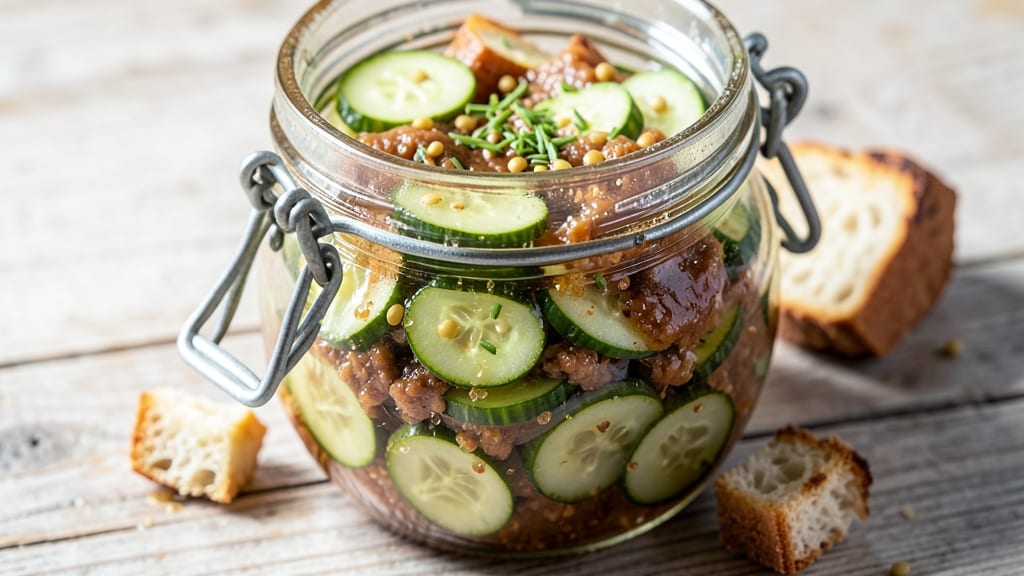
This Amish bread and butter pickles recipe delivers the perfect balance of sweet, tangy, and slightly spicy flavors that make every bite irresistible. 🌟 The traditional method relies on a vinegar brine that preserves the crunch while infusing those signature flavors, and I’ve refined it to ensure your pickles stay crisp for months.
What sets this recipe apart is the careful blend of spices and sugar that creates that classic sweet-tart profile without overpowering the natural flavor of the cucumbers.
The process is straightforward but requires attention to detail, especially when it comes to sterilizing jars and maintaining the right cooking temperature. You’ll start with fresh cucumbers, sliced into perfect spears, and combine them with a mixture of vinegar, sugar, and a touch of mustard and celery seeds for depth.
The key to achieving that authentic Amish texture is cooking the pickles just until tender-crisp, then letting them sit in the brine for at least 24 hours before canning.
By the time you’re done, you’ll have jars of vibrant, crunchy pickles that taste like a slice of nostalgia with every bite. The sweetness of the sugar caramelizes slightly, the vinegar adds a bright tang, and the spices bring warmth—all while keeping the cucumbers delightfully crisp.
These pickles pair beautifully with sandwiches, cheese platters, or even as a standalone snack when you need a quick, flavorful bite.
Whether you’re canning for the first time or perfecting your technique, this recipe ensures foolproof results. The instructions walk you through every step, from preparing the cucumbers to sealing the jars, so you can enjoy homemade pickles that taste like they came straight from an Amish kitchen.
Let’s get started on creating your own batch of sweet vinegar magic.
Ingredients for amish bread and butter pickles
Six jars of nostalgia in the making—just cucumbers, vinegar, and a pinch of magic.
| Ingredient | Amount | Notes |
|---|---|---|
| Fresh Kirby Cucumbers 🥒 | 4 lb | Whole, unpeeled, 3-4 inches long |
| White Vinegar 💧 | 3 cups | Distilled, 5% acidity preferred |
| Granulated Sugar 🍚 | 2 cups | White, not brown |
| Pickling Salt 🧂 | 1 tbsp | Non-iodized, fine grain |
| Mustard Seeds 🌶️ | 1 tbsp | Yellow or brown, whole |
| Celery Seeds 🌿 | 1 tsp | Ground or whole |
| Ground Turmeric 🌶️ | ½ tsp | For vibrant color |
| Ground Cloves 🌿 | ¼ tsp | Freshly ground preferred |
| Black Peppercorns 🌶️ | ½ tsp | Coarsely crushed |
| Dijon Mustard 🥬 | 1 tbsp | For tangy depth |
| Unsalted Butter 🧈 | 2 tbsp | Cold, cubed |
| Pint Glass Jars 🍶 | 6 whole | Mason jars with lids |
The cucumbers are your foundation. Kirby cucumbers are perfect—small, uniform, and packed with crunch. If you can't find them, English or Persian cucumbers work too, but avoid seedless varieties (they get mushy). I always buy mine from local farms in summer, but the grocery store produce section has them year-round. Look for firm, bright green cucumbers with no soft spots—those are the ones that'll stay crisp. Slice them into 3-inch spears, leaving the ends intact for a cleaner look (and less mess in your jars).
No Dijon mustard? Yellow mustard at half the amount works in a pinch, but trust me, the Dijon makes all the difference. Running out of celery seeds? Extra mustard seeds or a pinch of ground coriander add depth without changing the flavor profile. The butter might seem odd, but it's what gives these pickles that rich, buttery note (yes, really). Salted butter will over-salt your brine, so stick with unsalted. The vinegar? White vinegar is traditional, but apple cider vinegar gives a slightly sweeter, fruitier taste if you prefer. And if you're worried about sterilizing jars, boiling them for 10 minutes does the trick every time.
These pickles get better with age—2-3 weeks in the fridge is ideal for maximum crunch. For long-term storage, process the jars in a water bath for 10 minutes (that's the canning part), then they'll keep for up to a year on your pantry shelf. I always make extra because they disappear fast. The butter cubes melt into the brine, creating this incredible richness, so don't skip that step. And if you're gifting jars, label them with the date—they're a hit at potlucks, and everyone will ask for the recipe.
Why You'll Love This Recipe
- No-Fuss Prep: I swear, you can make these while scrolling through your phone—just slice those Kirby cucumbers into even chunks (no fancy knife skills needed), toss them in a jar, and pour on the brine. The mustard seeds add just enough texture without extra work.
- Sweet-Tangy Magic: That perfect balance of sugar and vinegar? It’s like a hug for your taste buds. The salt and mustard seeds give it a subtle kick, but honestly, the crisp cucumbers soaking in that bright, sweet brine are the star.
- Jars for Days: Make a big batch, and you’ll have pickles ready for sandwiches, burgers, or just snacking straight from the fridge. They keep for months, so you’re never scrambling to make more—just grab and go.
Step-by-step instructions for Amish bread and butter pickles
Here's how to create those iconic crunchy, sweet-and-tangy pickles that taste like a slice of Amish country.
👨🍳 Step 1: Prepare and Pack the Cucumbers
Start by washing the 4 lb fresh Kirby cucumbers thoroughly and pat them completely dry. Trim off the blossom ends but leave the skin intact—it's what gives those pickles their perfect crunch. Cut each cucumber into ½-inch thick slices, keeping them uniform for even cooking.
Pack the sliced cucumbers tightly into the 6 whole pint glass jars, leaving about ½-inch headspace at the top. I use a wooden spoon to press them down gently—this ensures they stay submerged in the brine and develop that signature crunch. Don't worry if they look crowded; they'll soften slightly during processing.
🥘 Step 2: Make the Signature Brine Mixture
In a large saucepan, combine the 3 cups white vinegar, 2 cups granulated sugar, 1 tbsp pickling salt, 1 tbsp mustard seeds, 1 tsp celery seeds, 0.5 tsp ground turmeric, 0.25 tsp ground cloves, 0.5 tsp coarsely crushed black peppercorns, and 1 tbsp Dijon mustard. Stir over medium heat until the sugar and salt completely dissolve—this usually takes about 5 minutes.
Watch for the mixture to turn a beautiful golden color from the turmeric and cloves. The aroma will be intoxicating—like walking through an Amish garden in summer. Once dissolved, remove from heat and let it cool slightly for 10 minutes. This cooling step is crucial; you don't want to shock the cucumbers with boiling liquid.
🍳 Step 3: Add Butter and Pour the Brine
Add the 2 tbsp cold unsalted butter to the cooled brine mixture and stir until completely melted and incorporated. The butter adds richness that makes these pickles taste like homemade comfort. Pour the warm (not boiling) brine over the cucumbers in the jars, ensuring each slice is fully submerged. The headspace should still be about ½-inch.
I tap the jars gently on the counter to release any air bubbles that might form. This prevents the pickles from floating and ensures they develop that perfect crunch throughout. Wipe the rims of the jars with a clean, damp cloth to create a perfect seal.
⏰ Step 4: Process for Perfect Crunch
Place the sealed jars in a large pot and cover with water, leaving about 1-inch headspace above the jars. Bring to a boil over medium-high heat, then reduce to a gentle simmer. Process the jars for 10 minutes—this is critical for achieving that signature Amish crunch. The water should maintain a steady simmer, not a rolling boil.
After processing, remove the jars and let them cool completely on a wire rack. I always listen for that satisfying "ping" as the lids seal—it's music to a pickler's ears. Once cooled, check the seals by pressing down on the center of each lid. If it doesn't pop up, your pickles are properly sealed and ready to store.
🍽️ Step 5: Rest and Enjoy
Let the pickles rest at room temperature for 24 hours before refrigerating. This resting period allows the flavors to meld and the crunch to develop fully. Store in the refrigerator for up to 6 months, though they'll likely disappear much sooner—these pickles are addictive!
Serve them on sandwiches, with burgers, or just enjoy a jar straight from the fridge. The perfect balance of sweet, tangy, and slightly spicy flavors makes these pickles a showstopper. And remember—real Amish bread and butter pickles are never mushy. If yours lose their crunch, they've been sitting too long in the brine.
Pro Tips For Making Amish Bread And Butter Pickles
- Pack Cucumbers Tight: Use a jar lifter or tongs to press the Kirby cucumbers down firmly—no gaps. I learned this the hard way when my first batch turned out watery because the brine couldn’t fully penetrate. A full jar also keeps the pickles crisper longer. If you’re nervous about breaking them, slice the ends off first to make them more stable.
- Boil the Brine Hard: Bring the vinegar-sugar-salt mix to a rolling boil for 5 minutes before adding cucumbers. Skimping here means the brine won’t infuse properly, and your pickles will taste flat. I used to stop at a simmer, and the flavor was always underwhelming—this step guarantees tangy, sweet depth.
- Toast the Mustard Seeds: Dry-toast the mustard seeds in a separate pan for 30 seconds until they smell nutty before adding them to the brine. This prevents bitterness and adds a subtle depth that cuts through the sweetness. (Yes, even if you’re impatient like me—just set a timer.)
- Cool Jars Gradually: Let the filled jars sit at room temperature for 20 minutes before refrigerating. Rushing this step can cause the glass to crack from thermal shock. I’ve seen it happen—now I just wait, and the pickles stay crisp for weeks. No one wants a science experiment in their fridge.
Serving suggestions for this dish
Sandwich Staple
These pickles are a game-changer on classic sandwiches like Reuben or BLT. The sweet-tart crunch cuts through rich meats and creamy dressings beautifully. I like to pack 4-5 pickle spears per sandwich—just enough to add texture without overwhelming.
For extra flair, sprinkle with crumbled blue cheese or sharp cheddar before closing the bread. 🥪
Cheese Board Essential
Create a showstopping cheese board by pairing these pickles with aged cheddar, Gouda, and brie. The sweetness balances the sharpness of aged cheeses while the crunch contrasts the creamy textures.
I arrange 3-4 pickle spears per cheese wedge and add walnuts and dried apricots for extra dimension. Serve with a side of mustard honey for dipping. 🧀
Burger Sidekick
Elevate your next burger night by serving these pickles alongside. The tangy sweetness complements beef, chicken, or veggie patties perfectly. I slice the pickles into ½-inch rounds and serve them on a small plate with pickle juice for dipping.
Add a side of crispy onion strings for extra crunch. The combination is so good, guests will ask for the recipe! 🍔
Snack Plate Favorite
Transform a simple snack plate into a gourmet experience. Arrange the pickles alongside crackers, cheese cubes, and prosciutto. The buttery richness of the pickles pairs wonderfully with sharp provolone or smoked Gouda.
For a sweet contrast, add dark chocolate-covered almonds or dried figs. This combo is perfect for parties or movie nights. 🍿
Breakfast Pairing
Yes, pickles belong at breakfast! Serve them alongside fried eggs, bacon, or sausage for a sweet-savory contrast. The acidity cuts through rich breakfast meats while the crunch adds texture.
I like to add them to avocado toast with a sprinkle of flaky sea salt. For a Southern twist, pair with biscuits and gravy. 🍳
Gifting Idea
Homemade pickles make thoughtful gifts for friends and neighbors. Package them in mason jars tied with twine and a handwritten tag. Include a recipe card for Amish-style cornbread or buttermilk biscuits to complete the gift.
These pickles keep for up to a year when canned properly, making them a perfect hostess gift. 🎁
Nutrition facts
Frequently asked questions
Why do Amish bread and butter pickles have butter in them?
The butter adds a rich, velvety depth that balances the tangy vinegar and sweetness. When melted into the warm brine, it creates a subtle buttery flavor that makes these pickles taste like homemade comfort. The traditional recipe includes it to enhance the overall mouthfeel and complexity.
Can I use regular cucumbers instead of Kirby cucumbers?
Yes, but Kirby cucumbers are ideal because they're small, uniform, and stay crisp. For best results, choose English or Persian cucumbers—avoid seedless varieties as they tend to get mushy. If using larger cucumbers, cut them into ½-inch slices for even cooking.
How do I know if my pickles are properly sealed?
After processing, let the jars cool completely. Press the center of each lid—if it doesn't pop up, the seal is secure. You'll also hear a satisfying "ping" as the lids seal. If a jar doesn't seal, refrigerate it and eat the pickles within 1 week.
Can I make these pickles without canning?
Skip the water bath and store the jars in the fridge. They'll stay fresh for 6 months but develop flavor more slowly. For best texture, wait 24 hours before eating. The taste won't be as developed as canned versions, but they'll still be delicious.
What if my pickles turn out too sweet or too sour?
Adjust the sugar-to-vinegar ratio next time: for less sweetness, reduce sugar by ½ cup; for more tang, add ½ cup vinegar. The key is balance—start with the recipe's measurements and taste the brine before pouring. If they're too sweet, add a splash of vinegar to the jar; if too sour, a pinch of sugar helps.