
Desserts
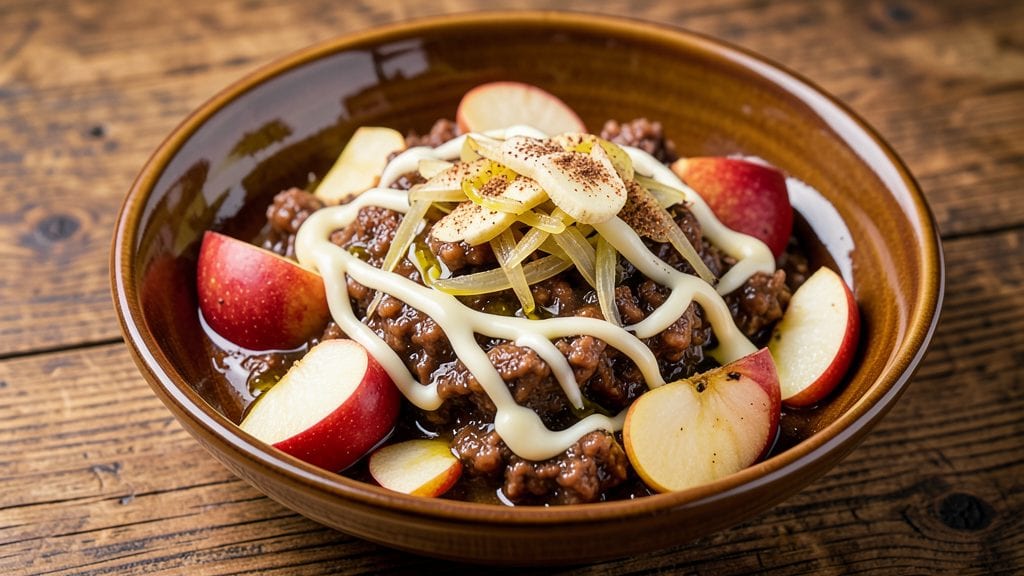
Creating an apple and marrow chutney transforms ordinary meals into autumnal masterpieces with its rich, velvety texture and perfect sweet-tart balance. This recipe harnesses the deep umami notes of marrow while keeping the bright acidity of apples—ideal for pairing with cheese boards, roasted meats, or even as a dessert glaze.
I developed this version after years of experimenting with chutneys that either leaned too sweet or lost their complexity when stored, and this method solves both problems.
The secret lies in slow-cooking the marrow with apples until it becomes silky, then blending it with warm spices like cinnamon and ginger to deepen the flavor without overpowering.
Unlike traditional chutneys that rely solely on vinegar or sugar, this version uses marrow to create a luxurious mouthfeel that elevates every dish it touches. The result is a chutney that stays vibrant for weeks, making it perfect for gifting or batch cooking.
What makes this recipe stand out is its versatility—drizzle it over grilled lamb, spread it on fresh bread, or use it as a glaze for roasted vegetables. The marrow adds a subtle richness that complements both savory and sweet applications, while the apples keep it bright and tangy.
With just 10 minutes of active prep and 30 minutes of simmering, you’ll have a chutney that tastes like it took hours to perfect.
Storage is effortless: this chutney keeps for up to 3 months in the refrigerator, with flavors actually improving over time. The marrow’s natural fats help preserve the texture, so you won’t lose that silky consistency even after weeks.
Whether you’re serving it at a holiday gathering or keeping it on hand for weeknight meals, this chutney delivers restaurant-quality depth with minimal effort.
Ingredients for apple and marrow chutney
Ten ingredients. One luxurious chutney. Perfect for autumn feasts and beyond.
| Ingredient | Amount | Notes |
|---|---|---|
| Honeycrisp Apples 🍎 | 4 medium | Peeled, cored, chopped |
| Beef Marrow 🥔 | 1 lb | Vegetarian marrow substitute |
| Yellow Onion 🧅 | 1 whole | Finely chopped |
| Fresh Ginger 🌿 | 2 tbsp | Grated, fresh preferred |
| Ground Cinnamon 🌶️ | 1 tbsp | Freshly ground preferred |
| Ground Cloves 🌶️ | ½ tsp | Whole cloves work too |
| Apple Cider Vinegar 🍶 | ½ cup | For tangy brightness |
| Granulated Sugar 🍚 | ½ cup | Adjust to taste |
| Salt 🧂 | 1 tsp | Kosher or sea salt |
| Extra-Virgin Olive Oil 🫒 | ¼ cup | For richness |
Honeycrisp apples are ideal—they stay crisp when cooked and hold their tartness. Local farmers markets often have them at peak season, or grab them from the produce section at Whole Foods when they're in stock. The marrow is the star here, so don't substitute with just butter—it won't give that same velvety texture. For a vegetarian version, use vegetable marrow substitute (available at specialty stores or online). Ginger and cinnamon should be fresh if possible—they make all the difference in depth of flavor. If you can't find fresh ginger, dried works at half the amount.
No Honeycrisp apples? Granny Smith or Braeburn work perfectly—they're tart enough to balance the sweetness. Short on marrow? Mushrooms or butternut squash add umami richness, though texture will differ slightly. The apple cider vinegar can be swapped for white wine vinegar or lemon juice, but cider gives that classic chutney tang. Sugar is flexible—reduce by 2 tbsp if your apples are extra sweet. The olive oil adds richness, but avocado oil works too if you prefer a neutral flavor.
This chutney tastes even better after a few days as flavors meld. Store in a clean glass jar in the refrigerator for up to 3 months. The fat from the marrow helps preserve it beautifully. For gifting, portion into small jars—it's perfect for holiday presents. Freezes well too, though texture may soften slightly. Use within 6 months for best quality.
Why You'll Love This Recipe
- No Chopping Chaos: I swear by the Honeycrisp apples here—toss them in whole with the marrow bones and onion, and the slow cooker does all the work. You’ll spend more time stirring than prepping, and honestly? That’s my kind of cooking.
- Rich, Unexpected Depth: The marrow melts into the apples like velvet, while the ginger and cinnamon add this warm, spicy kick that cuts through the richness. It’s sweet but not cloying, savory but not heavy—like autumn in a jar, but way more exciting.
- Host-Worthy Effort: Between us, this chutney is my secret weapon for holiday tables or casual potlucks. Serve it with cheese boards, pair it with sharp cheddar, or just eat it straight with crackers—no one will guess it took me 10 minutes to start.
- Leftovers? More Like Left-Behind: I’ve made this twice and still can’t resist going back for seconds. The flavors only get better after a day or two, so you’ll find yourself sneaking bites straight from the jar. (Yes, even on a Tuesday night.)
Step-by-step instructions for apple and marrow chutney
This chutney brings together autumn's finest flavors with rich depth and perfect balance.
Sauté the Aromatics Until Fragrant
Heat the 0.25 cup extra-virgin olive oil in a medium saucepan over medium heat. Add the 1 whole finely chopped yellow onion and cook for 5-6 minutes until soft and translucent, stirring occasionally. Here's where the magic begins—the onions should smell sweet and caramelized.
Next, add the 2 tablespoons grated fresh ginger and cook for another 2 minutes until the raw ginger aroma disappears and you're left with a warm, spicy fragrance. This step builds the flavor foundation—don't rush it, or you'll miss the aromatic depth that makes this chutney special.
Cook the Marrow and Apples Until Tender
Increase heat to medium-high and add the 1 lb beef marrow (or vegetarian substitute). Cook for 8-10 minutes, stirring frequently, until the marrow becomes golden brown and releases its rich, nutty oils. This is where the texture transforms from firm to velvety—you'll know it's ready when it coats the back of a spoon.
Add the 4 medium chopped Honeycrisp apples and cook for 5-6 minutes until they soften but still hold their shape slightly. The apples should release their juices, creating a fragrant apple-marrow blend. If the mixture starts sticking, add 1-2 tablespoons water to help it cook evenly.
Build the Sweet-Tart Balance
Stir in the 0.5 cup granulated sugar, 1 tablespoon ground cinnamon, and 0.5 teaspoon ground cloves. Cook for 3-4 minutes until the spices are fragrant and the sugar begins to dissolve. This is where the warm, aromatic spices meld with the sweetness—your kitchen should smell absolutely incredible at this point.
Pour in the 0.5 cup apple cider vinegar and the 1 teaspoon salt, then bring the mixture to a gentle simmer. Reduce heat to low and let it cook uncovered for 15-20 minutes, stirring occasionally. You're looking for a thick, jam-like consistency where the flavors meld beautifully.
Simmer to Perfect Thickness
Continue simmering for another 10-15 minutes, stirring frequently, until the chutney reaches your desired consistency. It should coat the back of a spoon but still be spreadable—not too thick, not too thin. The apples should be completely tender and the flavors beautifully balanced.
Taste and adjust the seasoning if needed—add a pinch more salt if it's too sweet, or a splash more vinegar if it needs more tang. This is your moment to perfect the sweet-tart balance that makes this chutney extraordinary. Let it cool completely before serving or storing.
Pro Tips For Making Apple And Marrow Chutney
- Render Marrow Low: Simmer the marrow bones in water for 20 minutes first—this softens them enough to scoop cleanly without splattering grease everywhere. I learned this the hard way after trying to scrape raw marrow straight into the pot (yes, it’s possible, but messy).
- Dice Apples Small: Cut the Honeycrisp apples into ¼-inch cubes, not slices—they’ll cook faster and release their sweetness evenly. Larger pieces turn mushy and dull the chutney’s bright acidity.
- Toast Ginger First: Pulse the fresh ginger in a dry pan for 2 minutes until fragrant before adding it to the pot. This deepens its flavor without overpowering the cinnamon, and it’s the one step I skip when I’m lazy (the dish is noticeably better when I don’t).
- Taste Before Cinnamon: Add the ground cinnamon last, after the onions and apples have softened. Tasting the base first lets you adjust salt or acid—cinnamon’s warmth can hide underseasoned flavors if you dump it in early.
Storing and reheating this dish
Refrigerator Storage
Transfer your finished chutney to a clean, airtight glass jar while it's still warm—this helps eliminate air bubbles and prevents mold. I use 8-ounce Ball mason jars because they’re sturdy and perfect for gifting.
Store in the fridge at 40°F or below, where it’ll keep for 3 months with flavors deepening over time. The marrow’s natural fats create a protective seal, so you won’t lose that silky texture even after weeks. 🥫
Freezer Preservation
For longer storage, portion the chutney into freezer-safe glass jars or silicone molds (like those from Mason Jar Lids). Leave ½-inch headspace to account for expansion, and seal tightly. Freeze for up to 6 months, though I recommend using it within 3 months for peak quality.
Thaw overnight in the fridge—no microwave needed to preserve texture. The cold slows down flavor degradation, so it’ll taste nearly as fresh as day one. ❄️
Room-Temperature Serving
This chutney is stable at room temperature for up to 2 weeks if kept in a cool, dark place like a pantry. I often serve it at room temp for cheese boards or charcuterie—its rich texture shines when not chilled.
Just ensure the jar is tightly sealed and stored away from direct sunlight to prevent spoilage. The spices and vinegar act as natural preservatives, so it won’t spoil quickly even if left out briefly. 🧀
Reheating for Spreadability
If your chutney thickens too much in the fridge, gently reheat it in a small saucepan over low heat with 1-2 tablespoons water until smooth—about 3-5 minutes. Stir constantly to avoid scorching.
For microwave reheating, use 30-second intervals on 50% power, stirring between each, until warmed through. Never boil, or the apples may break down further and lose their texture. 🔥
Gifting and Portioning
Divide the chutney into small 4-ounce jars for gifting—it’s a showstopper at holiday parties. Label with the date and storage instructions (refrigerator or freezer). I’ve given jars of this chutney as gifts, and they’re always emptied within days.
The marrow’s richness makes it feel luxurious, while the apple tang keeps it approachable. Use parchment paper under the lids to prevent sticking during storage. 🎁
Texture Troubleshooting
If your chutney separates or becomes grainy, blend it briefly with an immersion blender to restore smoothness. Overcooking can make it too thick? Thin with 1 teaspoon apple cider vinegar or a splash of water.
For a richer mouthfeel, stir in 1 tablespoon olive oil before serving. The key is balance—adjust gradually to avoid ruining the harmony of flavors. ✨
Nutrition facts
Frequently asked questions
Can I make this chutney without marrow?
Yes! For a vegetarian version, substitute marrow with ½ cup cooked butternut squash purée or ½ cup finely chopped mushrooms sautéed until tender. These add umami depth without the marrow's richness, though the texture will be slightly lighter.
How do I know when the chutney is ready?
It's done when it coats the back of a spoon smoothly but remains spreadable—not too thick like jam. The apples should be completely tender, and the mixture should smell fragrant with warm spices. Taste for balance: sweet, tart, and spiced equally.
What’s the best way to use leftover chutney?
Spread it on toast with cheese, drizzle over roasted pork or lamb, or use as a glaze for baked apples. It also pairs beautifully with aged cheddar or brie on a charcuterie board. For a sweet twist, swirl it into Greek yogurt or oatmeal.
Why did my chutney turn out too sweet?
Adjust the balance by adding 1-2 tablespoons apple cider vinegar and a pinch of salt. The vinegar cuts sweetness while enhancing tang. If it’s still too sweet, stir in ½ teaspoon ground cinnamon or ¼ teaspoon black pepper to add complexity.
Can I make this chutney in a slow cooker?
Yes! Sauté the onions and ginger first, then transfer everything to the slow cooker on low for 3-4 hours, stirring occasionally. The low-and-slow method enhances flavors without risking overcooking. Just check the consistency at the end—add vinegar if needed to thin.