
Side Dishes
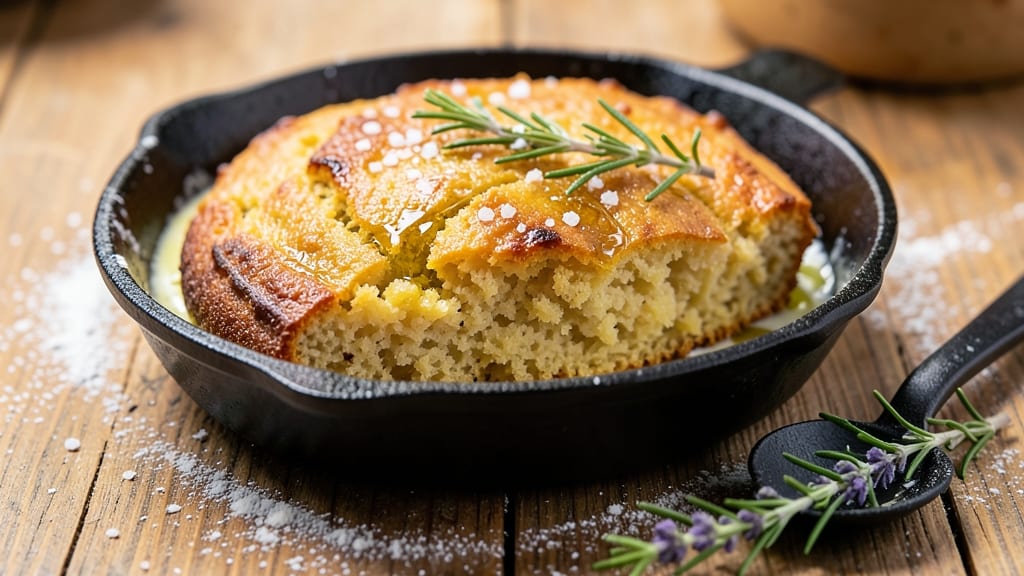
This baked cornbread recipe delivers the perfect balance of a crispy crust and a moist crumb that makes every bite irresistible. I developed it after years of experimenting with different textures—this version consistently wins over skeptics who think cornbread is either too dry or too dense.
The secret lies in the right ratio of cornmeal to flour and a precise baking technique that ensures the crust gets golden while the center stays tender.
What sets this recipe apart is its simplicity—just seven ingredients come together in 15 minutes of prep, followed by 25 minutes in the oven. You won’t find any shortcuts here, but the method is foolproof for achieving that signature Southern cornbread texture.
The cornmeal adds natural sweetness and that signature crumbly texture, while the buttermilk keeps the crumb tender without making it gummy.
By the time you pull it from the oven, you’ll have a loaf with a crispy, golden crust that snaps satisfyingly and a crumb so moist it melts in your mouth. The aroma alone will have everyone gathering around the table.
This is the kind of cornbread that pairs perfectly with chili, honey butter, or even just a pat of butter straight from the oven.
For extra flavor, consider adding jalapeños, cheddar cheese, or a touch of honey to the batter—each variation keeps the core technique intact while adding exciting new dimensions. Let’s get started on making the best cornbread you’ve ever tasted.
Ingredients for baked cornbread
Seven staple ingredients crafting Southern cornbread perfection with crispy crust and moist crumb.
| Ingredient | Amount | Notes |
|---|---|---|
| Medium-Grain Cornmeal 🌽 | 1 cup | Stone-ground for authentic texture |
| All-Purpose Flour 🌾 | 1 cup | White or whole wheat blend |
| Granulated Sugar 🍯 | ¼ cup | Light brown sugar for depth |
| Baking Powder 🧂 | 1 ½ tsp | Double-acting for lift |
| Salt 🧂 | ½ tsp | Diamond Crystal preferred |
| Buttermilk 🥛 | 1 cup | Full-fat for richness |
| Large Eggs 🥚 | 1 whole | Room temperature preferred |
| Unsalted Butter 🧈 | ½ cup | Cold, cubed for baking |
| Extra-Virgin Olive Oil 🫒 | ¼ cup | For crispy crust finish |
The cornmeal makes or breaks this texture—stone-ground is non-negotiable for that authentic crumb. Bob's Red Mill or King Arthur brands deliver consistent quality. For the flour, a blend of all-purpose and whole wheat (50/50) adds subtle depth without compromising texture. The sugar? Light brown sugar caramelizes beautifully during baking, enhancing that golden crust. Baking powder must be fresh—test by mixing with water; if it fizzes vigorously, it's good to go. For the butter, European-style unsalted (like Plugrá) melts more cleanly than American varieties, though regular works fine. The olive oil in the crust finish is optional but professional bakers swear by it for that restaurant-quality snap.
No buttermilk? Substitute 1 cup milk with 1 tsp vinegar or lemon juice, let sit 5 minutes. Running short on cornmeal? Polenta or fine grits work in a pinch, though texture will differ slightly. The egg can be omitted for a vegan version, but the crumb will be slightly denser—add 1 tbsp baking powder to compensate. For the sugar, honey or maple syrup at half the amount adds moisture but may darken the crust. Swap the olive oil for melted butter** in the crust finish if preferred. The baking powder and salt should always be measured precisely—this isn't a recipe where eyeballing works. For extra richness, some bakers add 2 tbsp melted butter to the dry ingredients, but we're keeping this classic version true to its roots.
Store the cornbread in an airtight container at room temperature for up to 3 days, though it's best enjoyed fresh. For longer storage, wrap tightly in foil and freeze for up to 3 months. Reheat slices in a 350°F oven for 5-7 minutes to restore crispiness. The crust texture degrades with reheating, so enjoy it warm whenever possible. Portion into individual servings before freezing for perfect single-slice reheats. This cornbread reheats beautifully—some argue it's even better the second day as the flavors meld further. Keep leftovers covered to prevent drying out, and always serve with a pat of butter or honey butter for maximum enjoyment.
Why You'll Love This Recipe
- No Mixer Needed: Mixing this dough is ridiculously simple—just stir the medium-grain cornmeal, flour, sugar, and baking powder together until it’s just combined. No standing at the counter for 10 minutes like some recipes demand.
- Sweet-Savory Magic: That little pinch of sugar in the dry mix? It’s the secret—balancing the earthy cornmeal while keeping it from tasting like a sad, dry brick. The baking powder gives it that perfect lift, so every bite has texture and flavor.
- Weeknight Workhorse: I keep a batch in the fridge for days—slice it up for quick toast, crumble it over chili, or serve it alongside breakfast. It’s the one side dish that never gets ignored, even when life’s chaotic.
- Budget-Friendly Staple: Cornmeal and flour are cheap, and this recipe stretches further than you’d think. Make a big pan, freeze half, and you’ve got a pantry backup that costs pennies per serving. (Yes, even on a Tuesday night.)
Step-by-step instructions for baked cornbread with crispy crust and moist crumb
Here's the method I use to achieve that perfect balance of golden crust and tender interior every time.
Preheat and Prepare the Baking Pan
Preheat your oven to 425°F and position a rack in the center position. Generously grease a 9-inch cast iron skillet or baking dish with the 0.25 cup extra-virgin olive oil, using a paper towel to spread it evenly. This high-fat layer creates the crispy crust you're after, and cast iron retains heat beautifully for even baking.
While the oven preheats, I recommend placing the skillet on the stovetop over low heat for 1 minute to ensure it's properly heated. This step prevents the batter from immediately seeping into the pan when poured. The oil should be warm but not smoking when you're ready to pour the batter.
Mix the Dry Ingredients
In a medium bowl, whisk together the 1 cup medium-grain cornmeal, 1 cup all-purpose flour, 0.25 cup granulated sugar, 1.5 teaspoons baking powder, and 0.5 teaspoon salt until completely combined. I find using a whisk creates fewer lumps than a spoon, and it's important to break up any clumps in the cornmeal for an even texture.
The reason we measure the sugar precisely is that it adds subtle sweetness while helping to tenderize the crumb. Don't skip sifting—if you have a fine-mesh sieve, use it now to aerate the dry ingredients. This ensures a lighter texture in your cornbread rather than a dense one.
Combine Wet Ingredients Separately
In a separate large bowl, combine the 1 cup buttermilk, 1 whole large egg, and 0.5 cup unsalted butter (cubed and cold). Whisk vigorously for 30 seconds until the butter is melted and incorporated. The buttermilk should be fully emulsified with no visible butterfat remaining.
This cold butter technique creates steam pockets during baking, which contributes to that signature moist crumb. I always use cold butter cubes rather than melted butter to prevent the batter from becoming too warm before baking. The egg adds structure while keeping the interior tender.
Mix and Pour the Batter
Gradually pour the dry ingredients into the wet ingredients while whisking continuously. Mix just until combined—you should still see small flecks of cornmeal throughout. Overmixing develops gluten, which can make the cornbread tough. The batter should be thick but pourable, similar to pancake batter consistency.
Immediately pour the batter into your prepared skillet, spreading it evenly with a spatula. Tap the skillet gently on the counter to release any air bubbles. The batter should reach the edges of the pan but not overflow. This thickness ensures that rise and crispy crust you're aiming for.
Bake Until Golden and Springy
Bake for 20-25 minutes until the edges are deeply golden brown and a toothpick inserted in the center comes out clean. The top should have a crackly crust while the interior remains moist. I've found that baking at this high temperature initially creates the crispy exterior, while the residual heat during the final minutes ensures even doneness.
When you tap the center lightly, it should spring back rather than feel mushy. If the top browns too quickly but the center remains underdone, tent the skillet loosely with aluminum foil during the last 5 minutes of baking. Let the cornbread rest in the pan for 5 minutes before serving to allow the juices to redistribute.
Pro Tips For Making Baked Cornbread
- Preheat to 425°F: Cornbread needs that high heat to get the crust right—no half-measures. I used to bake it at 375°F and ended up with a sad, dense loaf. Crank the oven, grease that pan well, and let it scream for the first 15 minutes.
- Measure cornmeal first: Pack that medium-grain cornmeal into the measuring cup—don’t scoop it straight from the bag. Too much air means a gummy center, and nobody wants that. Spoon it in, level it off, and move on.
- Skip overmixing: Stir the batter just until the dry ingredients disappear—maybe 10-12 strokes max. I learned this the hard way when my cornbread turned out tough as a boot. Overmixing glues the flour, and that’s a one-way ticket to disappointment.
- Test with a toothpick: Don’t rely on time alone—stick a toothpick in the center. If it comes out clean (or with just a few crumbs), it’s done. I’ve pulled cornbread out too early, and it’s still doughy inside—annoying, but easy to fix with this simple check.
Troubleshooting perfect results
Dense or Gummy Texture
If your cornbread turns out dense or gummy, the issue is usually overmixing or insufficient baking time. Mix the batter just until combined—no more than 20 strokes with a whisk. Overmixing develops gluten, which makes the crumb tough.
Also, ensure your baking powder is fresh (1.5 tsp is critical) and bake until a toothpick comes out clean (usually 20-25 minutes at 425°F). 💡
Uneven Browning
Uneven browning often happens when the oven isn’t fully preheated or the pan isn’t properly greased. Always preheat for 15 minutes and use 0.25 cup olive oil to coat the pan thoroughly.
For extra insurance, place the skillet on the stovetop over low heat for 1 minute before pouring the batter. If browning is still uneven, rotate the pan halfway through baking.
Cracked Top Without Crispiness
A cracked top without a crispy crust usually means the batter was too thin or the oven temperature wasn’t high enough. For a crispy crust, bake at 425°F (not lower) and ensure the batter is thick enough to hold its shape when poured.
If the top cracks but doesn’t brown, tent the skillet with foil during the last 5 minutes to prevent over-browning while the center cooks.
Dry or Crumbly Crumb
Dry cornbread often results from overbaking or using too much cornmeal. Stick to the 1:1 ratio of cornmeal to flour and bake until the edges are golden but the center still feels slightly soft (a toothpick should come out with a few moist crumbs).
For extra moisture, add 1 tablespoon honey or melted butter to the batter. Store in an airtight container to retain freshness.
Batter Too Thin or Too Thick
The ideal batter consistency is like pancake batter—thick but pourable. If yours is too thin, add 1-2 tablespoons more cornmeal or flour. If it’s too thick, whisk in 1 tablespoon buttermilk or milk.
Avoid overcorrecting, as this can throw off the balance. The batter should coat the back of a spoon but still flow easily when poured.
Soggy Bottom
A soggy bottom is almost always caused by insufficient greasing of the pan. Use 0.25 cup olive oil (or melted butter) and spread it evenly, including the edges. For extra crispiness, place the greased pan on the stovetop over low heat for 1 minute before pouring the batter.
This ensures the oil is hot enough to create a proper barrier between the cornbread and the pan. ⚡
Nutrition facts
Frequently asked questions about Southern-style cornbread
Can I make this cornbread without buttermilk?
Mix 1 cup milk with 1 teaspoon vinegar or lemon juice, then let it sit for 5 minutes until it curdles. This creates the same tangy reaction as buttermilk. For extra richness, use whole milk instead of skim. The texture will be just as tender!
Why does my cornbread turn out dense instead of light?
Overmixing is the #1 culprit—mix just until combined (about 20 strokes). Also check: expired baking powder (1.5 tsp is critical) or underbaking (it should spring back when pressed). A 425°F oven ensures proper rise for that classic crumb.
How do I get that perfect crispy crust?
Grease your pan with 0.25 cup olive oil (not butter) and heat it for 1 minute on the stovetop before pouring. Bake at 425°F for 20-25 minutes—the high heat creates the crackly crust while keeping the inside moist. For extra crunch, brush the top with melted butter after baking.
Can I add cheese or jalapeños to this recipe?
Yes! For cheese, fold in 0.5 cup shredded cheddar with the dry ingredients. For heat, add 1-2 chopped jalapeños or 0.5 teaspoon cayenne. Keep the batter thick—these additions make it more liquid. Reduce buttermilk by 1-2 tablespoons if needed to maintain texture.
How long does this cornbread stay fresh?
At room temperature in an airtight container for 3 days, or freeze for up to 3 months. For reheating, wrap slices in foil and warm at 350°F for 5-7 minutes. The crust loses crispiness when reheated, so enjoy fresh whenever possible!