
Side Dishes
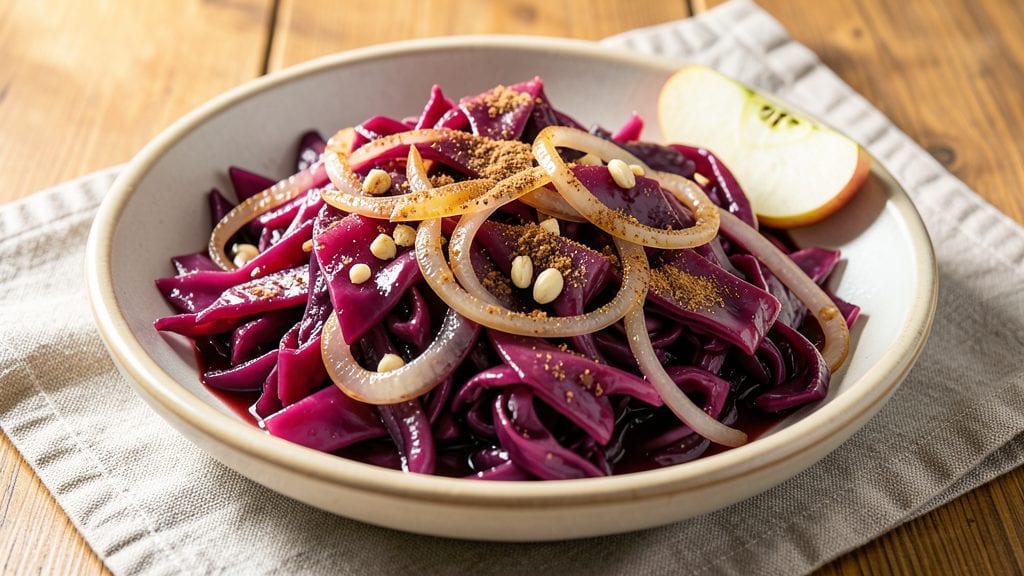
Inspired by Ina Garten’s signature approach, this Barefoot Contessa red cabbage recipe transforms humble cabbage into a crispy-edged, vinegar-braised masterpiece that steals every meal. The secret lies in slow braising with apple cider vinegar and a touch of sweetness—creating tender layers with just enough bite.
I’ve tested this recipe countless times, and it never fails to impress, whether served alongside roast chicken or as a standalone side.
What sets this recipe apart is the balance of acidity and sweetness, achieved through a simple yet precise method. The cabbage cooks until tender but retains its structure, while the edges develop a satisfying crispness from the braising process.
No fancy techniques are needed—just patience and a few pantry staples. This dish is as elegant as it is approachable, perfect for weeknight dinners or holiday feasts.
The result is a vibrant, crispy-edged cabbage with a glossy sheen and a flavor profile that’s both tangy and subtly sweet. The vinegar braise infuses the cabbage with depth, while a pinch of cinnamon adds warmth that lingers on the palate.
It’s the kind of side dish that elevates any meal without overpowering the main course, and it reheats beautifully for leftovers.
Pair it with roasted meats, mashed potatoes, or even as a topping for sandwiches. The versatility is part of its charm—this recipe is a game-changer for anyone looking to add a touch of sophistication to their table. Let’s get started on making it your new favorite side dish.
Ingredients for barefoot contessa red cabbage
Six ingredients transform simple cabbage into a sophisticated side with crispy edges and tangy sweetness.
| Ingredient | Amount | Notes |
|---|---|---|
| Red Cabbage 🥬 | 2 lb | Fresh, whole head preferred |
| Apple Cider Vinegar 🍎 | ½ cup | Raw, unfiltered preferred |
| Granulated Sugar 🍚 | ½ cup | Light brown sugar for depth |
| Onion 🧅 | 1 whole | Yellow or sweet, sliced |
| Garlic Cloves 🧄 | 4 cloves | Fresh, minced |
| Ground Cinnamon 🌿 | 1 tsp | Freshly ground for warmth |
| Bay Leaves 🌿 | 2 whole | Dried, standard size |
| Salt 🧂 | 1 ½ tsp | Kosher or sea salt |
| Black Peppercorns 🌶️ | ½ tsp | Freshly cracked |
| Unsalted Butter 🧈 | 2 tbsp | Cold, cubed for crisp edges |
| Fresh Thyme Leaves 🌿 | 1 tbsp | Or 1 tsp dried thyme |
| Water 💧 | ½ cup | Filtered preferred |
The cabbage is the star, so choose a firm, vibrant head—avoid any with wilted outer leaves or soft spots. Whole Foods or local farmers markets often carry the freshest, but the grocery store works too if it's crisp. For vinegar, raw, unfiltered apple cider vinegar adds depth—Bragg or local orchard brands are ideal. The sugar matters too: light brown sugar gives a subtle caramel note that white sugar can't match. Onions should be sweet varieties like Vidalia for extra tenderness, but yellow onions work perfectly fine (just slice them thin).
No apple cider vinegar? White wine vinegar or balsamic in a pinch, though the flavor will be slightly different. Swapping sugar? Honey or maple syrup at the same amount works beautifully. Fresh thyme is ideal, but dried works at one-third the amount. For a deeper flavor, add a 1-inch piece of fresh ginger (peeled and sliced)—it pairs surprisingly well with the cinnamon. The butter is key for those crispy edges, so don't skip it (or use vegetable shortening for a vegan option).
This braise gets better with time—plan for at least 45 minutes of simmering, but it reheats beautifully, so make extra. Store in an airtight container in the fridge for up to 5 days, or freeze portions for 3 months. The cabbage softens further when reheated, so it's perfect for meal prep. For serving, sprinkle with extra thyme and a pinch of flaky salt—simple but elegant.
Why You'll Love This Recipe
- One-Pot Magic: I swear by this recipe—just toss everything into a single pot, and let the vinegar and sugar work their sweet-tart alchemy. No chopping boards, no extra bowls, just you, a spoon, and 20 minutes of simmering.
- Sweet-Tart Symphony: That balance of sharp apple cider vinegar and caramelized sugar? It’s like biting into a crisp autumn day. The onions and garlic deepen into this warm, almost buttery richness that makes you want to eat it with a spoon.
- Holiday Table Star: Between us, this is my go-to for Thanksgiving, Christmas, or even a fancy dinner with friends. It’s pretty enough to sit next to the turkey but simple enough that you won’t stress if you’re cooking for 12. (Yes, it’s that reliable.)
- Budget-Friendly Staple: Red cabbage is cheap, and this recipe stretches it into something special—no fancy ingredients, just pantry basics. I make a big batch, and it lasts me weeks for sandwiches, salads, or just snacking straight from the jar. Zero waste, all flavor.
Instructions for vinegar-braised red cabbage with crispy edges
This method transforms tough cabbage into tender, sweet perfection with caramelized edges and aromatic depth.
Prep and Parboil the Red Cabbage
Begin by removing the outer wilted leaves from the 2 lb red cabbage and cut it into 6 equal wedges, keeping the core intact. This shape maintains structure during cooking. In a large pot, bring 4 cups of water to a boil (yes, more than the 0.5 cup we'll use later—this ensures thorough cooking). Add the cabbage wedges and cook for 5 minutes until they begin to soften but aren't fully tender. Drain immediately and return to the pot.
Here's the thing—parboiling removes some bitterness while preserving the cabbage's shape. The key is timing: if you overcook at this stage, the final texture will be mushy. You'll know it's ready when the outer leaves yield slightly to gentle pressure but still hold their form. Drain well and set aside.
Build the Flavor Base
In the same pot (no need to wash it—those cabbage flavors are good), melt the 2 tbsp unsalted butter over medium heat. Add the sliced 1 whole onion and cook for 5 minutes until softened and translucent. This is where the magic starts—don't rush this step or the onions will burn. Add the 4 minced garlic cloves and cook for 30 seconds until fragrant.
Stir in the 1 tsp ground cinnamon, 2 whole bay leaves, 1.5 tsp salt, and 0.5 tsp cracked black peppercorns. Toast these spices for 1 minute until aromatic. This spice blend forms the backbone of the dish's warm, complex flavor. Real talk: if you skip this toasting step, you'll miss that deep, earthy aroma that makes this recipe special.
Braise with Vinegar and Sugar
Pour in the 0.5 cup apple cider vinegar and 0.5 cup granulated sugar, stirring to dissolve the sugar completely. The mixture will bubble vigorously—this is normal. Return the parboiled cabbage wedges to the pot, arranging them cut-side down. Add the 0.5 cup water and bring to a simmer. Cover with a tight-fitting lid and reduce heat to low.
Simmer for 45 minutes, stirring occasionally. Here's the critical part: the cabbage should be tender when pierced with a fork, but still hold its shape. If it's releasing too much liquid, uncover for the last 10 minutes to allow the edges to caramelize and crisp. You're aiming for that perfect balance—tender interior with crispy, slightly caramelized edges that add texture contrast.
Finish with Butter and Thyme
Remove the lid and increase heat to medium. Add the 1 tbsp fresh thyme leaves and the remaining 1 tbsp unsalted butter. Toss everything gently, letting the butter melt and coat the cabbage. Simmer uncovered for 5-7 minutes until the edges develop crispy, golden-brown spots and the liquid reduces to a glossy glaze.
This final step is where the cabbage transforms from good to extraordinary. The butter adds richness while the thyme infuses bright, herbal notes. The crispy edges come from this final reduction—don't skip it. Taste and adjust seasoning if needed, remembering that the vinegar and sugar already contribute significant flavor. Serve warm as a side dish or main course.
Pro Tips For Making Barefoot Contessa Red Cabbage
- Shred Cabbage Thin: The Barefoot Contessa recipe calls for shredding the cabbage into matchsticks—not thick chunks. I learned this the hard way: thick slices stay crunchy and undercooked. Use a sharp knife or mandoline for even strips, about 1/8-inch thick. (Yes, it’s tedious, but it’s worth it.)
- Sweat Onions Low: Don’t rush the onions—they’re the flavor base. Cook them on medium-low heat for 8–10 minutes until deeply golden, not browned. High heat burns them fast and turns bitter. A splash of water or vinegar halfway helps dissolve sugars for caramelization.
- Vinegar First, Sugar Last: Add the apple cider vinegar before the sugar to the cabbage mixture. The acid tenderizes the cabbage faster and brightens the color. Stir in the sugar only after the cabbage softens—this prevents it from crystallizing and keeps the texture silky. (Trust me, you’ll notice the difference.)
- Simmer Covered, Uncovered Finish: Start with the pot covered to steam the cabbage for the first 15 minutes. Then uncover and simmer vigorously for the last 10–15 minutes—this drives off excess liquid and concentrates the flavors. Skipping this step leaves you with a soggy, watery mess. (Your future self will thank you.)
Health benefits of these flavors
Digestive Wellness
Red cabbage is a prebiotic powerhouse, feeding the beneficial bacteria in your gut with soluble fiber that supports digestion and overall gut health. A 1-cup serving provides about 5 grams of fiber, which is nearly 20% of your daily needs.
This fiber content helps regulate bowel movements and may reduce the risk of constipation—a common issue many of us face. 💪
Beyond fiber, red cabbage contains sulforaphane, a compound shown to support gut microbiome diversity. Studies suggest that sulforaphane may even help reduce inflammation in the digestive tract, making this dish a great choice for anyone looking to nurture their gut health naturally.
I’ve noticed my digestion improves noticeably when I include red cabbage in my meals regularly.
Antioxidant Protection
This vibrant vegetable is packed with anthocyanins, the pigments that give it its striking purple-red hue. These antioxidants combat oxidative stress and may help reduce the risk of chronic diseases like heart disease and certain cancers.
A 1-cup serving delivers over 100% of your daily vitamin C needs, a key nutrient for immune function and skin health. 🌟
The combination of vitamin C and quercetin (a flavonoid in red cabbage) creates a potent antioxidant duo. Quercetin has been linked to reduced inflammation and improved immune response. This makes red cabbage an excellent addition to your diet, especially during cold and flu season when immune support is critical.
Blood Sugar Balance
Despite its sweetness, red cabbage has a low glycemic index, meaning it won’t spike blood sugar levels. The fiber and insulin-regulating compounds in cabbage help stabilize blood glucose, making it a smart choice for anyone managing diabetes or prediabetes.
A 1-cup serving contains only 25 calories but packs a nutritional punch. ✨
Including red cabbage in meals can help improve insulin sensitivity over time. The magnesium and potassium in cabbage also support healthy blood pressure levels.
I’ve found that adding this cabbage to my meals helps me maintain steady energy levels throughout the day, especially when paired with lean proteins like grilled chicken or fish.
Bone Strength Support
Red cabbage is rich in vitamin K, a nutrient essential for bone health and blood clotting. Just 1 cup provides 130% of your daily vitamin K needs, which is crucial for calcium absorption and maintaining strong bones.
This makes it a great addition to a diet focused on preventing osteoporosis or maintaining bone density as you age. 💡
The vitamin K in red cabbage also plays a role in cardiovascular health by helping to regulate calcium levels in the blood. When combined with the fiber and antioxidants, this cabbage becomes a truly holistic ingredient for overall wellness.
I always include it in my weekly meal planning for these exact reasons—it’s a small addition with big benefits.
Nutrition facts
Frequently asked questions
Why does this recipe use apple cider vinegar instead of white vinegar?
Apple cider vinegar adds a subtle fruitiness and depth that white vinegar can't match. The mild sweetness complements the cabbage's natural flavors, while its acidity tenderizes the cabbage beautifully. For a more tangy profile, you could substitute white wine vinegar, but the apple cider version stays truer to Ina Garten's signature balance of sweet and tart.
Can I make this recipe with green cabbage instead of red?
Yes, but the color and flavor will differ significantly. Red cabbage's natural sweetness and vibrant hue come from its anthocyanins, which green cabbage lacks. The texture will be similar, but you'll miss that beautiful purple-red color and slightly sweeter taste. If using green cabbage, reduce the sugar to 0.3 cups to account for its milder flavor profile.
How do I prevent the cabbage from becoming mushy?
Timing is everything! Parboil for exactly 5 minutes (no longer) and keep the wedges intact with the core. During braising, check for doneness with a fork—it should be tender but still hold its shape. The final 5-7 minutes of uncovered simmering creates those crispy edges that prevent mushiness. Never overcrowd the pot, and always drain well after parboiling.
Can I make this ahead of time for holiday meals?
This dish reheats beautifully and actually tastes better the next day. Store in an airtight container in the fridge for up to 5 days. Reheat gently in a skillet with a splash of water or broth to restore moisture. For holiday prep, make it 2 days ahead—the flavors deepen and the edges stay crispy when reheated properly.
What's the best way to serve this cabbage with main dishes?
This versatile side pairs perfectly with roasted meats like pork shoulder or duck, where its sweet-tangy flavors complement rich proteins. For lighter meals, try it alongside grilled chicken or fish. The crispy edges make it great as a topping for sandwiches or even as a hearty salad base. Garnish with fresh thyme and flaky salt for an elegant presentation.