Appetizers
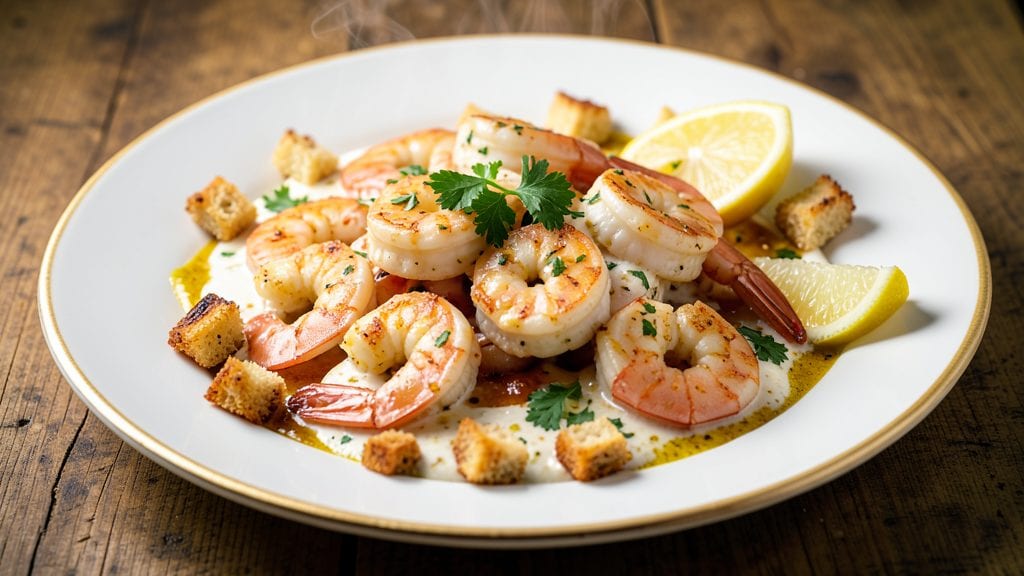
This Carrabba's shrimp scampi recipe delivers the restaurant's signature buttery, garlicky, and tangy flavors in just 30 minutes—no shortcuts, just precise technique. The secret lies in searing shrimp perfectly and building a sauce that emulsifies into a velvety lemon-butter finish.
I've replicated the dish after countless attempts, and this version stays true to the original while being foolproof at home.
The foundation of great shrimp scampi is a proper white wine reduction, where garlic and butter infuse the liquid before the shrimp joins. Deglazing the pan captures all those flavorful browned bits, transforming them into the rich base of the sauce.
The shrimp cooks just long enough to turn opaque—tender, juicy, and ready to soak up every drop of that garlicky lemon butter.
What you'll end up with is restaurant-quality shrimp scampi that's buttery, garlicky, and bright with lemon—each forkful delivers that perfect balance of flavors. The sauce clings to the shrimp like it was made in a professional kitchen, and the aroma alone will have everyone gathering around the table.
Serve it over linguine or with crusty garlic bread for the full experience.
This recipe is designed for confidence—no overcooking the shrimp, no breaking the sauce, just a method that delivers professional results every time. The key steps are simple but critical: sear the shrimp properly, reduce the wine carefully, and emulsify the sauce at the right moment.
Let's get started on recreating that Carrabba's magic at home.
Ingredients for carrabba's shrimp scampi
Buttery shrimp, garlicky wine reduction, and bright lemon—these essential ingredients transform into Carrabba's signature scampi.
| Ingredient | Amount | Notes |
|---|---|---|
| Large Shrimp (Peeled and Deveined) 🦐 | 1 ½ lb | Extra-large size, 16-20 count per pound |
| Unsalted Butter 🧈 | ½ cup | European-style preferred for higher fat content |
| Garlic Cloves 🧄 | 8 cloves | Fresh, minced to a fine paste |
| Dry White Wine 🍷 | ½ cup | Sauvignon Blanc or Pinot Grigio recommended |
| Fresh Lemon Juice 🍋 | ¼ cup | From 2 medium lemons, freshly squeezed |
| Heavy Cream 🥛 | ¼ cup | Full-fat for optimal emulsification |
| Dried Parsley 🌿 | 1 tbsp | Finely ground for garnish |
| Diamond Crystal Kosher Salt 🧂 | 1 tsp | For seasoning, not iodized |
| Freshly Ground Black Pepper 🌶️ | ½ tsp | Cracked peppercorns preferred |
| Extra-Virgin Olive Oil 🫒 | 1 tbsp | For initial searing |
| Linguine Pasta 🍝 | 12 oz | High-quality, fresh or dried |
| Red Pepper Flakes 🌶️ | ¼ tsp | Optional, for heat |
The shrimp must be extra-large (16-20 count per pound)—smaller shrimp overcook faster. Source from Whole Foods seafood counter or your local fishmonger for the freshest catch; look for bright pink color and firm texture. If using frozen, thaw overnight in the fridge, not under running water. The butter is non-negotiable—European-style with higher fat content (like Plugrá) emulsifies better than American brands. Garlic should be freshly minced (not pre-minced jars) for maximum flavor impact. For wine, Sauvignon Blanc or Pinot Grigio provide the crisp acidity that cuts through the richness.
No white wine? Dry vermouth or chicken stock works in a pinch, though the sauce will lack complexity. Substitute heavy cream with half-and-half if needed, but the sauce may separate more easily. For extra depth, add 1 tsp fish sauce to the reduction. If you can't find extra-virgin olive oil, avocado oil is a neutral alternative for searing. The linguine should be high-quality—avoid store-brand dried pasta for this dish. For a vegetarian twist, swap shrimp for hearts of palm or king oyster mushrooms, though texture will differ. Always taste the sauce before serving—adjust acidity with more lemon or salt as needed.
Fresh shrimp keeps best in the fridge for 1-2 days—use within 24 hours of purchase. Store in an airtight container with a paper towel to absorb moisture. The butter and wine can be prepped ahead (up to 2 days), but assemble the sauce just before serving to maintain freshness. This dish reheats poorly—make it fresh for optimal texture. Garnish with fresh parsley (if available) and a lemon wedge for serving. Leftovers? The sauce freezes well for up to 3 months, but shrimp texture degrades—best enjoyed immediately.
Why You'll Love This Recipe
- One-Pan Magic: I swear by this trick—just shrimp, butter, garlic, and wine in one skillet. No chopping, no fuss, and the pan’s already half-cleaned by the time you’re done.
- Garlic-Wine Kiss: That moment when the white wine reduces and the butter melts into a golden sauce? Pure satisfaction. The garlic doesn’t overpower—it lingers like a whisper, brightened by lemon.
- Date Night Ready: No one will guess it’s a 20-minute meal. Serve it over pasta or with crusty bread, and suddenly you’re the host who actually pulled off restaurant-quality.
- Budget Bright Spot: Shrimp scampi feels fancy but costs way less than takeout. A pound of shrimp and a bottle of cheap wine stretch further than you’d think—especially when leftovers reheat like a dream.
Step-by-step instructions for garlicky lemon butter shrimp scampi
This method delivers restaurant-quality shrimp scampi with perfectly balanced flavors and tender shrimp.
Prepare the Garlic Paste and Sear the Shrimp
First, create a smooth garlic paste by mincing the 8 cloves garlic cloves to a fine consistency using a mortar and pestle or small food processor. This ensures even distribution and prevents burning. Heat the 1 tablespoon extra-virgin olive oil in a large skillet over medium-high heat until shimmering but not smoking.
Add the garlic paste and cook for 30 seconds until fragrant—this releases the garlic's full flavor without burning. Immediately add the 1.5 lb large shrimp, peeled and deveined, in a single layer. Season generously with 1 teaspoon diamond crystal kosher salt and 0.5 teaspoon freshly ground black pepper. Cook undisturbed for 1-2 minutes per side until the shrimp turn opaque and develop a light golden crust. Remove the shrimp and set aside on a plate.
Build the Lemon Butter Sauce
Reduce the heat to medium and add the 0.5 cup unsalted butter to the same skillet, allowing it to melt completely and foam. Pour in the 0.5 cup dry white wine and scrape up any browned bits from the bottom of the pan with a wooden spoon. This deglazing step captures all the shrimp flavor and garlic essence.
Simmer the wine mixture for 3-4 minutes until reduced by half, then stir in the 0.25 cup fresh lemon juice and 0.25 cup heavy cream. The sauce should begin to thicken slightly as it simmers. If using, add the 0.25 teaspoon red pepper flakes for subtle heat. Keep the sauce at a gentle simmer—you don't want it to boil or separate.
Cook the Linguine Pasta
While the sauce develops, bring a large pot of well-salted water to a rolling boil. Add the 12 oz linguine pasta and cook according to package instructions until al dente—typically 8-10 minutes for dried pasta. Reserve 1 cup of pasta water before draining, then drain the pasta completely and return it to the pot.
Toss the pasta with 1 tablespoon dried parsley to distribute the flavor evenly. The parsley will infuse the pasta with fresh herb notes while keeping it vibrant for presentation. Keep the pasta warm while you finish the sauce.
Combine and Finish the Dish
Return the cooked shrimp to the skillet with the lemon butter sauce and toss gently to coat. Add the drained linguine pasta and combine thoroughly, using tongs to mix everything together. If the sauce appears too thick, add reserved pasta water 1 tablespoon at a time until it reaches a silky, clinging consistency that coats the shrimp and pasta evenly.
Taste and adjust seasoning with additional salt or pepper if needed. The sauce should be bright with lemon acidity, rich from the butter, and aromatic from the garlic. Serve immediately while the shrimp remains warm and the sauce clings beautifully to each strand of pasta.
Pro Tips For Making Carrabba'S Shrimp Scampi
- Sear Shrimp in Batches: Don’t overcrowd the pan—this is where shrimp go from perfect to rubbery. Cook in 2-3 batches over high heat for 1-2 minutes per side until just opaque. I learned this the hard way when I tried to rush it and ended up with sad, gray shrimp.
- Mince Garlic Like You Mean It: Skip the pre-minced stuff—it burns instantly. Use a sharp knife and press the cloves flat before slicing into paper-thin shards. This way, they infuse the butter without turning bitter. (Yes, even if you’re impatient like me.)
- Deglaze with Wine, Then Wait: Pour in the white wine and let it bubble away for 30 seconds before adding lemon juice. This ensures the garlic and shrimp flavors meld into the sauce instead of getting drowned out. I used to add the lemon too soon and wondered why it tasted flat.
- Finish with Cold Butter: Stir in 1 tablespoon of cold butter at the end—it coats the shrimp and sauce, giving that rich, glossy finish Carrabba’s nails. Sounds weird, but it works: the heat melts it just enough to emulsify without breaking the sauce. (Your future self will thank you.)
Flavor customization for this recipe
Spicy Kick
For those who love heat, add 1 tbsp Calabrian chili paste or 1 tsp crushed red pepper flakes when deglazing the pan with wine. This adds a smoky, fiery depth that pairs beautifully with the buttery richness.
I like to balance it with an extra 1 tsp sugar to mellow the acidity slightly. Serve with extra lemon wedges so guests can adjust to their preference. 🌶️
Herb Variations
Swap out parsley for 1 tbsp fresh thyme leaves or 1 tsp dried oregano when tossing with the pasta. Thyme adds an earthy note that complements the garlic, while oregano brings a Mediterranean brightness. For a fresh finish, garnish with chopped chives or basil leaves instead of parsley. 🌿
Creamy Upgrade
For a richer sauce, replace half the heavy cream with ¼ cup crème fraîche or mascarpone cheese when combining with the wine reduction. The tangy creaminess elevates the dish to restaurant-level decadence. I also like adding 1 oz grated Parmesan cheese at the end for umami depth. 🧀
Lighter Version
Cut the butter in half (¼ cup total) and replace the heavy cream with ¼ cup whole milk for a lighter take. Boost brightness with an extra 1 tbsp lemon zest and 1 tbsp capers for briny contrast.
This version keeps the same garlicky punch but with a fraction of the calories. 💛
Seafood Fusion
Add ½ lb scallops or ½ lb mussels alongside the shrimp for a seafood medley. Sear the scallops in the same pan after removing the shrimp, then fold them into the sauce at the very end.
Mussels should be steamed open in the wine reduction before adding to the sauce. 🦑
Vegetarian Adaptation
Replace shrimp with 12 oz king oyster mushrooms (sliced lengthwise) or 1 lb hearts of palm** (diced). Sauté the mushrooms in olive oil until golden before removing, then proceed with the sauce as written. The texture won't be identical, but the garlicky lemon butter sauce shines either way. 🌱
Nutrition facts
Frequently asked questions
Why does my shrimp scampi sauce break or separate?
Sauce separation usually happens when heat is too high or ingredients aren't added gradually. Always keep the sauce at a gentle simmer—never boiling—and stir constantly when adding cream. For extra stability, whisk in 1 teaspoon cornstarch mixed with 1 tablespoon cold water at the end. The sauce should thicken immediately into a velvety consistency.
Can I make shrimp scampi ahead of time?
While the shrimp and sauce taste best fresh, you can prep components ahead. Make the garlic paste and store it in the fridge for 2 days. The sauce (without shrimp) keeps for 2 days refrigerated—just reheat gently and finish with fresh shrimp. Never reheat shrimp beyond 165°F or it becomes rubbery. The pasta should always be cooked fresh.
What's the best wine substitute if I don't have white wine?
Use dry vermouth (1:1 ratio) for similar acidity or low-sodium chicken stock (reduce by half) for depth. Avoid sweet wines—they'll make the sauce cloying. For a non-alcoholic option, mix ½ cup apple cider vinegar with ½ cup water and reduce. The key is acidity to balance the butter's richness.
How do I prevent overcooking the shrimp?
Shrimp cooks in 1-2 minutes per side—set a timer! Use a meat thermometer for precision (145°F internal temp). Remove shrimp immediately when they turn opaque and curl slightly. For extra-large shrimp, start with 1 minute per side and check early. Overcooked shrimp become tough and dry.
Can I use frozen shrimp in this recipe?
Yes, but thaw properly first. Place frozen shrimp in a sealed bag and submerge in cold water for 15-20 minutes (never hot water). Pat completely dry before cooking—excess moisture steams shrimp instead of searing. For best texture, use extra-large frozen shrimp (16-20 count per pound) and cook 30 seconds less than fresh.