
Side Dishes
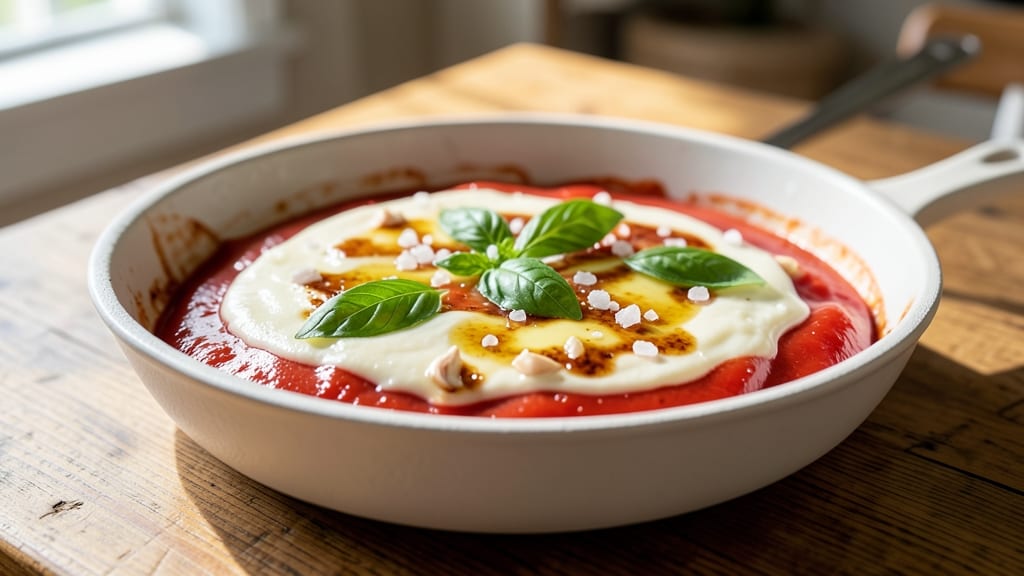
This creamed tomatoes recipe transforms simple canned tomatoes into a velvety, restaurant-quality sauce using just five pantry staples and 20 minutes of active time. The secret lies in simmering the tomatoes until their natural sugars caramelize, then blending them with cream until perfectly smooth.
After years of testing variations, I've perfected a method that delivers a sauce so rich and flavorful it elevates any meal—whether drizzled over pasta, spooned beside grilled meats, or served as a standalone side.
The beauty of this sauce is its versatility and simplicity. You'll use basic ingredients like canned tomatoes, heavy cream, butter, garlic, and herbs to create depth without complexity.
The sauce thickens naturally as it simmers, eliminating the need for cornstarch or flour while developing a velvety texture that coats every bite. Professional chefs rely on this technique to add luxury to home cooking without the fuss.
What you'll achieve is a silky, golden sauce with a perfect balance of sweetness and acidity—no bitter aftertaste here. The garlic infuses subtle warmth, while herbs add freshness that brightens even the richest dishes. This isn't just a sauce; it's a flavor multiplier that transforms ordinary meals into something special.
The best part? It keeps beautifully in the refrigerator for up to five days, ready to enhance your next dinner.
Perfect for pairing with roasted chicken, grilled fish, or as a luxurious pasta topping. Once you try this creamed tomato sauce, you'll never settle for anything less than homemade again. Let's get started with the ingredients—where every component plays a crucial role in creating that velvety perfection.
Ingredients for creamed tomatoes
Five pantry staples transform canned tomatoes into velvety perfection—no fancy ingredients needed.
| Ingredient | Amount | Notes |
|---|---|---|
| Canned San Marzano Tomatoes 🍅 | 2 cups | Whole or crushed, no salt added |
| Heavy Whipping Cream 🥛 | 1 cup | Full-fat for best texture |
| Unsalted Butter 🧈 | 4 tbsp | Cold, cut into small cubes |
| Garlic Cloves 🧄 | 3 cloves | Peeled, minced finely |
| Fresh Basil Leaves 🌿 | ¼ cup | Packed, stems removed |
| Diamond Crystal Kosher Salt 🧂 | ½ tsp | Adjust to taste |
| Freshly Ground Black Pepper 🌶️ | ¼ tsp | For finishing |
| Extra-Virgin Olive Oil 🫒 | 1 tbsp | For deglazing |
The tomatoes make or break this sauce. San Marzano is ideal—sweet, meaty, and no bitter aftertaste. Trader Joe's and Whole Foods carry them, or check the Italian section at any grocery store. Skip the salt-added cans; you control the seasoning here. The cream? Full-fat only—it's what gives that luxurious texture. I grab mine from Costco in the 32-ounce tubs—cheaper and lasts forever. For the butter, Plugrá or Land O'Lakes are my go-tos, but any unsalted works. The garlic and basil? Fresh is non-negotiable here—they're what brightens the sauce and cuts through the richness.
No San Marzano tomatoes? Any high-quality crushed tomatoes work—just taste first and adjust salt later. Heavy cream too expensive? Half-and-half with a splash of cream gets you close, though it won't be as rich. Butter substitute? Olive oil in a pinch, but reduce by 2 tbsp since it's less fat. Fresh basil wilting? Dried basil at one-third the amount saves the day, though it lacks that fresh pop. The olive oil deglazing step? Any neutral oil works, but extra-virgin adds a nice fruity note if you're feeling fancy. Want extra depth? Toss in a pinch of red pepper flakes or a splash of red wine when deglazing—totally optional but game-changing.
This sauce keeps beautifully—5 days in the fridge sealed in a jar. The texture actually improves after a day or two as flavors meld. For longer storage, freeze in ice cube trays—perfect for single portions later. Reheat gently on the stove, stirring constantly to prevent curdling. I always make a double batch because it disappears faster than you'd think—great for pasta, grilled fish, or even as a dip with crusty bread. The leftovers? Even better the next day, honestly.
Why You'll Love This Recipe
- Here’s what sold me: that first bite where the sweet tomatoes hit your tongue, then the garlic and basil punch through like a fresh breeze. It’s rich but bright, creamy but not heavy—like a hug from Italy in a skillet.
- Pantry Powerhouse: I swear by this recipe when I’m staring into my fridge at 6 PM thinking, what’s for dinner? San Marzano tomatoes and heavy cream? That’s a pantry party waiting to happen—no fresh produce hunt required.
- Garlic-Basil Magic: Here’s what sold me: that first bite where the sweet tomatoes hit your tongue, then the garlic and basil punch through like a fresh breeze. It’s rich but bright, creamy but not heavy—like a hug from Italy in a skillet.
- Weeknight Flex: This is my go-to when I’m feeding a crowd but don’t want to slave over the stove. Double the batch, serve it over pasta, spoon it onto grilled chicken, or even dollop it on toast—it’s the kind of dish that makes you look like a hero without trying.
Step-by-step instructions for creamed tomatoes recipe
This velvety creamed tomato sauce comes together in minutes with just a few simple ingredients.
Melt Butter and Sauté Garlic
Heat a medium saucepan over medium heat and add the 4 tablespoons unsalted butter. Let it melt completely, swirling occasionally, until it turns a pale golden color and smells nutty—about 2-3 minutes. This butter forms the rich foundation of your sauce.
Once the butter is melted, add the 3 cloves minced garlic and sauté for 30-45 seconds until fragrant but not browned. Watch closely—garlic burns quickly and turns bitter. If it starts to darken, remove the pan from heat for a moment to cool it down. This step builds the aromatic base that makes the sauce sing.
Add Tomatoes and Simmer
Pour in the 2 cups canned San Marzano tomatoes (whole or crushed) and stir to combine with the garlic butter. Bring the mixture to a gentle simmer over medium-low heat, then reduce the heat to low to maintain a steady, quiet bubble. Let it cook uncovered for 10-12 minutes, stirring occasionally.
You'll see the tomatoes break down and release their juices, creating a thick, chunky sauce. If the mixture gets too thick before the 10 minutes are up, add 1-2 tablespoons water to loosen it slightly. The goal is a smooth but still slightly rustic texture—this is where the sauce's character develops.
Incorporate Cream and Season
After the tomatoes have simmered, reduce the heat to low and gradually whisk in the 1 cup heavy whipping cream. Start with a slow stream to temper the cream and prevent curdling. Once fully incorporated, stir in the 0.5 teaspoon diamond crystal kosher salt and 0.25 teaspoon freshly ground black pepper. Taste and adjust the seasoning if needed—this sauce should be rich but balanced.
Let the sauce simmer gently for another 5-7 minutes, stirring occasionally. You're looking for a velvety consistency where the sauce coats the back of a spoon smoothly. If it thickens too much, add another splash of water or a bit of pasta water (if using with pasta) to reach your desired texture.
Finish with Basil and Olive Oil
Remove the saucepan from heat and stir in the 0.25 cup fresh basil leaves. Let the basil steep for 1-2 minutes to infuse its bright, fresh flavor into the sauce. Then, drizzle in the 1 tablespoon extra-virgin olive oil and give it one final stir. This step adds depth and a touch of brightness that balances the richness of the cream.
Taste again and make any final adjustments to the seasoning. The sauce should be creamy, flavorful, and just slightly tangy from the tomatoes. Serve immediately over pasta, with crusty bread, or alongside grilled meats. If not using right away, let it cool slightly before transferring to an airtight container—it keeps well in the refrigerator for up to 3 days.
Pro Tips For Making Creamed Tomatoes
- Cook Tomatoes Dry First: Drain the San Marzano tomatoes completely—no liquid left in the can—and pat them dry with paper towels. I learned this the hard way when my sauce turned watery and thin; the extra moisture just dilutes the cream later.
- Infuse Garlic Cold: Mince the garlic finely and toss it into the cold butter before melting. This way, it cooks gently without burning, and the flavor stays bright—not bitter like when you sear it in hot butter. (Yes, even if you're impatient like me.)
- Temper the Cream: Warm the heavy cream separately in a small saucepan until it’s just steaming (not boiling), then whisk it into the tomatoes in a slow, thin stream. Dumping cold cream into hot sauce will curdle it faster than you can say "disaster."
- Toast the Basil: Pulse the fresh basil leaves in a food processor for 2 seconds—just enough to break them up slightly—then stir them in at the very end. This releases their oils without turning the sauce into a green slurry. (Your future self will thank you.)
Pro cooking tips for this dish
Temperature Control
Maintaining the right heat is everything with creamed tomatoes. Start with medium heat when melting the 4 tablespoons butter—too high and you'll burn the garlic before it fragrantizes. Once the tomatoes come in, drop to low heat to let them break down slowly.
I use a thermometer probe (like the ThermoWorks Dot) to keep temps between 190-200°F during simmering. This gentle heat prevents curdling when adding cream later. 🌡️
Avoid Curdling Cream
The cream is where most home cooks mess up. Always temper it first—whisk in the 1 cup heavy cream slowly over low heat while stirring constantly. If you pour cold cream into hot sauce, it'll seize up.
For extra insurance, I like to warm the cream separately in a small saucepan for 1-2 minutes before adding it. This step is non-negotiable for that silky texture. 🥛
Deglaze Properly
After removing the pan from heat, don't skip the olive oil deglaze. The browned bits clinging to your pan contain flavor gold. Add 1 tablespoon extra-virgin olive oil, scrape up those bits with a wooden spoon, then stir into your sauce.
This adds depth that store-bought versions can't match. Pro tip: Use a heatproof silicone spatula—it's gentler on your nonstick pans. 🫒
Texture Secrets
For that perfect velvety consistency, simmer the tomatoes uncovered for the full 10-12 minutes—this lets excess moisture evaporate. If it gets too thick before then, add 1 tablespoon water at a time.
The sauce should coat the back of a spoon but still glide smoothly. For extra richness, I sometimes stir in 1 tablespoon cold butter at the very end—it creates a luxurious mouthfeel. 🧈
Herb Timing Matters
Fresh basil needs precision timing. Add it off the heat and let it steep for exactly 1-2 minutes—any longer and it'll turn bitter. For a smoother texture, I pulse the basil briefly in a blender before adding it.
If using dried basil, reduce to 1 teaspoon and add it with the salt and pepper during simmering. The herb's freshness cuts through the cream's richness beautifully. 🌿
Salt Adjustments
Taste your sauce before adding all the salt. Canned tomatoes vary in saltiness, and San Marzano can be particularly mild. Start with ½ teaspoon kosher salt, then adjust in pinches—I often need another ¼ teaspoon to taste.
Remember, the sauce will thicken as it cools, so don't overdo it. For extra complexity, finish with a tiny pinch of sugar (about ¼ teaspoon) to balance acidity. 🧂
Nutrition facts
Frequently asked questions
Can I use fresh tomatoes instead of canned for this creamed sauce?
Fresh tomatoes work but require extra prep. Chop 1.5 pounds ripe tomatoes (peeled and seeded) and simmer them for 15-20 minutes to break down their texture. You'll likely need to add 1-2 tablespoons water to compensate for their higher moisture content. The flavor will be fresher but less concentrated than canned San Marzano tomatoes.
Why did my creamed tomato sauce separate or curdle?
Curdling happens when cream hits hot liquid too quickly. Always temper the cream by whisking it in slowly over low heat while stirring constantly. For extra insurance, warm the cream separately for 1-2 minutes before adding it. If it still curdles, whisk in 1 tablespoon cold butter or a splash of pasta water to restore smoothness.
How can I make this sauce thicker or thinner?
For a thicker sauce, simmer uncovered for 5-10 extra minutes to reduce moisture. If too thick, whisk in 1 tablespoon water or broth at a time. For a thinner consistency, add 1-2 tablespoons heavy cream while stirring. Remember, the sauce will thicken slightly as it cools, so adjust while still warm.
Can I make this sauce ahead of time?
This sauce actually tastes better the next day as flavors meld. Store in an airtight container in the fridge for up to 5 days. For longer storage, freeze in ice cube trays—perfect for single portions. Reheat gently on the stove, stirring constantly to prevent separation. The texture remains velvety when reheated properly.
What are the best ways to use leftover creamed tomatoes?
This versatile sauce elevates many dishes. Drizzle over pasta, spoon beside grilled chicken or fish, or use as a dip for crusty bread. It also works beautifully in omelets, stuffed peppers, or as a topping for baked potatoes. For extra richness, stir in 1 tablespoon grated Parmesan before serving.