
Desserts
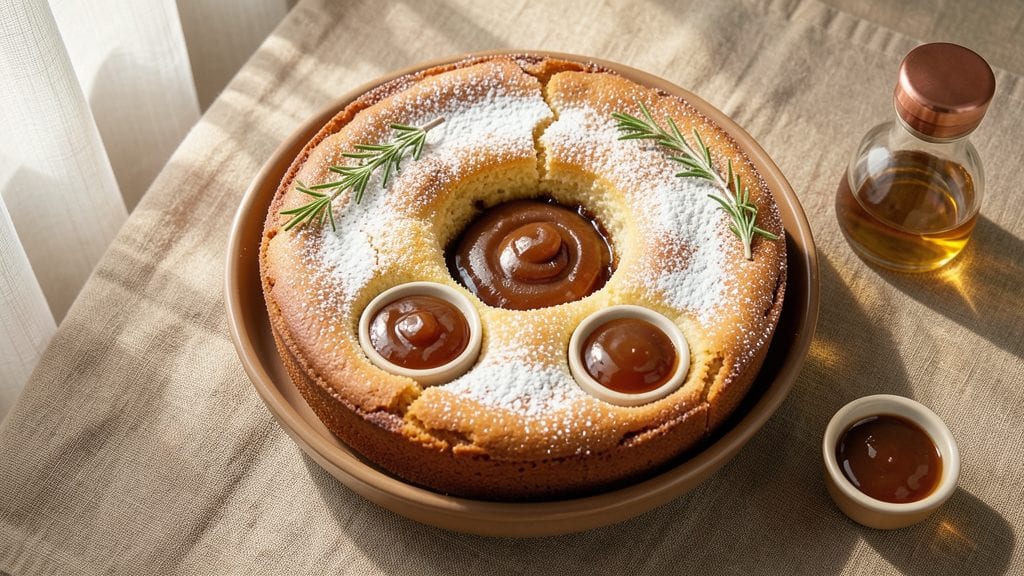
This Irish cake recipe brings rich, boozy spice swirls to your kitchen using simple pantry staples—perfect for celebrating St. Patrick’s Day or cozy weekends. The secret lies in layers of whiskey-infused batter and warm spices that create a tender, moist crumb with every bite.
I’ve perfected this version to balance traditional flavors with modern convenience, so it’s foolproof yet feels special.
The beauty of this cake is its versatility—it works with or without alcohol, and the dried fruit swirl adds natural sweetness that complements the spice notes. Unlike dense fruitcakes, this version bakes up light and fluffy, with a golden crust that’s hard to resist.
The recipe calls for just 10 ingredients, including whiskey (or a substitute), making it accessible for any home baker.
What sets this apart is the boozy spice swirl, where cinnamon, nutmeg, and allspice blend into the batter for warmth that lingers with each slice. The cake stays moist for days, making it ideal for gifting or meal prep.
Whether you’re hosting or treating yourself, this recipe delivers restaurant-quality results with minimal effort.
For extra indulgence, add a glaze of powdered sugar or a dusting of cocoa powder. Pair it with tea or coffee for the full Irish experience. Let’s get baking!
Ingredients for irish cake
Ten simple pantry staples create a moist, boozy Irish cake with spiced layers.
| Ingredient | Amount | Notes |
|---|---|---|
| All-Purpose Flour 🌾 | 3 cups | Sifted for light texture |
| Granulated Sugar 🍚 | 1 ½ cups | White or light brown |
| Unsalted Butter 🧈 | 1 cup | Cold, cubed for creaming |
| Irish Whiskey 🍷 | ½ cup | Or apple juice substitute |
| Large Eggs 🥚 | 2 whole | Room temperature |
| Baking Powder 🍞 | 2 tsp | Aluminum-free preferred |
| Ground Cinnamon 🌿 | 1 tbsp | Freshly ground preferred |
| Ground Nutmeg 🌶️ | ½ tsp | Freshly grated nutmeg |
| Ground Allspice 🌶️ | ½ tsp | For warm spice depth |
| Dried Mixed Fruit 🍇 | 1 ½ cups | Chopped, no sugar added |
| Salt 🧂 | ½ tsp | Kosher or fine sea |
The whiskey is non-negotiable for authentic flavor—Jameson or Redbreast work perfectly, but any Irish whiskey will do. For a non-alcoholic version, apple juice works well, though the flavor will differ slightly. The dried fruit should be no-sugar-added for the best balance of sweetness, and Costco or Trader Joe's often carry excellent bulk options. Freshly ground spices make a noticeable difference, so if you're using pre-ground, check the date—spices lose potency quickly.
No whiskey? Substitute with apple juice or orange juice, though the flavor will be subtly different. The mixed fruit can be swapped for raisins or chopped dates, but keep the total amount consistent. For a richer texture, add 2 tbsp sour cream to the batter. The butter must be cold when creamed with sugar—take it out of the fridge 30 minutes before mixing to soften slightly, but don’t let it melt. If you don’t have fresh nutmeg, ground works fine, though it’s slightly less potent.
This cake keeps beautifully—3-4 days at room temperature wrapped in plastic, or up to 1 week in the fridge. For longer storage, slice and freeze portions for up to 3 months. The spice swirl adds moisture, so the cake stays tender even after a few days. If storing for gifting, wrap individual slices in parchment paper and tie with twine for a festive touch. The whiskey flavor deepens as it sits, making it even more delicious the next day.
Why You'll Love This Recipe
- No Whiskey Waste: I’ll admit it—I keep a bottle of Irish whiskey for cooking and sipping. This cake lets me use up a splash (or two) without feeling guilty, turning something I’d normally save for special occasions into a daily treat.
- Butter-Sugar Magic: That rich, caramelized flavor? It’s all in the butter and sugar. Cream them together until they’re light and fluffy, and you’ll get a cake so tender it melts in your mouth—no dry crumbs here.
- Weekend or Weeknight: Between us, I’ve served this at Sunday brunch and Monday potlucks. The whiskey adds depth without overpowering, so it’s fancy enough for company but simple enough to bake when I’m exhausted.
- Budget-Friendly Luxury: Flour, sugar, butter, eggs—these are pantry staples. The whiskey might seem like a splurge, but a little goes a long way, and the leftovers? They disappear fast, so you won’t regret making a batch.
Step-by-step instructions for Irish cake recipe
Here's the method to create a rich, moist Irish cake with perfect spice swirls and a subtle whiskey aroma.
Cream Butter and Sugar for Light Texture
In a large mixing bowl, combine the 1 cup unsalted butter (cold, cubed) with the 1.5 cups granulated sugar. Using an electric mixer on medium speed, beat for 3-4 minutes until the mixture is light and fluffy with ribbons forming. The butter should be fully incorporated but still slightly cool to the touch.
This creaming process is crucial—it incorporates air that will help create the cake's signature tender crumb. If the butter feels too soft, chill the bowl in the freezer for 5 minutes before continuing. Watch for the mixture to nearly double in volume and become pale in color, which indicates proper aeration.
Add Eggs and Whiskey for Moisture and Flavor
Add the 2 whole large eggs (room temperature) one at a time, mixing well after each addition. Scrape down the sides of the bowl to ensure all ingredients are fully incorporated. Then, pour in the 0.5 cup Irish whiskey (or apple juice substitute) and mix until just combined.
The whiskey adds depth of flavor and helps maintain moisture throughout the cake. If you're using apple juice, you'll need to add 1 teaspoon vanilla extract to compensate for the missing whiskey aroma. Mix on low speed for 30 seconds after adding the whiskey to ensure even distribution without overmixing.
Combine Dry Ingredients for Structure
In a separate bowl, whisk together the 3 cups all-purpose flour, 2 teaspoons baking powder, 1 tablespoon ground cinnamon, 0.5 teaspoon ground nutmeg, 0.5 teaspoon ground allspice, and 0.5 teaspoon salt. Sift the dry ingredients into the wet mixture in three additions, mixing on low speed just until combined after each addition.
This gradual addition prevents overmixing, which can develop gluten and make the cake dense. Stop mixing as soon as the dry ingredients disappear—you should still see small streaks of flour. The batter should be thick but pourable, similar to cookie dough.
Fold in Dried Fruit for Distribution
Gently fold in the 1.5 cups dried mixed fruit using a rubber spatula, ensuring even distribution throughout the batter. Be careful not to overmix—just combine until the fruit is fully incorporated. The batter will appear slightly streaked with fruit pieces.
If the fruit is particularly dry, you may want to toast it lightly in a dry skillet for 2-3 minutes before adding to the batter. This enhances its flavor and prevents it from absorbing too much moisture from the cake mixture. The fruit should be evenly distributed but not mashed or broken down.
Bake in Layers for Perfect Texture
Preheat your oven to 350°F. Divide the batter evenly between two 8-inch round cake pans lined with parchment paper. Bake for 25-30 minutes or until a toothpick inserted into the center comes out clean. The cakes should be golden brown on top and slightly springy to the touch.
For even baking, rotate the pans halfway through the baking time. The cakes should pull away from the sides of the pan easily when done. Let them cool in the pans for 10 minutes before transferring to a wire rack to cool completely. This gradual cooling helps maintain the cake's moisture and prevents cracking.
Pro Tips For Making Irish Cake
- MEASURE BUTTER COLD: Irish cake relies on butter for tenderness, so take it straight from the fridge—no softening. Cut the butter into cubes and toss them in the flour mixture like ice cubes in a drink. This keeps the dough from overmixing and ensures flaky layers instead of a dense brick.
- WHISKEY FIRST, NOT LAST: Pour the whiskey into the hot batter before adding the eggs—this lets the alcohol cook off slightly and prevents a harsh boozy flavor. I used to add it last and wondered why my cake tasted like a shot glass. Trust me, the aroma stays rich without the burn.
- STOP WHEN IT LOOKS DONE: The cake’s edges will pull away from the pan and spring back slowly when pressed—this is your cue to stop baking. Overbaking dries out the crumb, and Irish cake should be moist, not cakey. Pull it out when the center still has a slight wobble.
- EGGS AT ROOM TEMP: Crack eggs into a bowl first, then let them sit for 10 minutes before mixing. Cold eggs incorporate air poorly, leading to a dense cake. I skipped this once and got a sad, flat result—now I never forget.
Common mistakes when making your irish cake
Overmixing the Batter
I’ve seen beginners mix this batter until it’s smooth and uniform, but that’s a big mistake. Overmixing develops gluten in the flour, which makes the cake dense and tough instead of light and tender.
Stop mixing as soon as the dry ingredients disappear—you should still see small streaks of flour. The batter should be thick but pourable, similar to cookie dough. 🌾
Skipping Room-Temp Eggs
Room-temperature eggs incorporate more smoothly into the batter, creating a lighter texture. If you use cold eggs straight from the fridge, they’ll create pockets of cold fat that won’t emulsify properly, leading to a dense crumb.
Let them sit at room temperature for at least 30 minutes before mixing. This small step makes a huge difference in the final texture.
Using Warm Butter
The butter must be cold when you start creaming it with sugar—this creates air pockets for a light texture. If it’s too soft or melted, the batter will turn greasy and the cake will be heavy.
Take the butter out of the fridge 30 minutes before mixing so it softens slightly but doesn’t melt. If it gets too warm, chill the bowl in the freezer for 5 minutes to firm it up again.
Uneven Fruit Distribution
Dried fruit should be evenly distributed throughout the batter, but I’ve seen people dump it all in one spot or chop it too finely. This creates pockets of dryness or uneven texture. Fold the fruit in gently with a rubber spatula, ensuring it’s spread evenly.
If the fruit is very dry, toast it lightly in a skillet for 2-3 minutes first to enhance its flavor and prevent moisture imbalance.
Incorrect Oven Temperature
Baking at the wrong temperature can ruin the cake’s texture. Too low (325°F) and it’ll be dense; too high (375°F) and it’ll burn before cooking through. Stick to 350°F for even baking.
Preheat your oven for at least 15 minutes to ensure accuracy. A reliable oven thermometer helps—many home ovens run 25°F hotter or colder than set.
Not Cooling Properly
Cakes need time to set after baking. If you remove them from the pan too soon, they’ll crack or collapse. Let them cool in the pan for 10 minutes before transferring to a wire rack.
This gradual cooling helps the moisture redistribute, keeping the cake tender. Patience here prevents a dry or gummy texture. ⏰
Nutrition facts
Frequently asked questions
Can I make this Irish cake without whiskey?
Yes! Use ½ cup apple juice or orange juice as a substitute, but add 1 teaspoon vanilla extract to mimic whiskey’s depth. The flavor will be slightly sweeter but still delicious. For a neutral option, try ½ cup water + 1 teaspoon vanilla. The cake’s moisture and texture won’t be affected.
How do I store leftover Irish cake?
Wrap tightly in plastic wrap and store at room temperature for 3-4 days or refrigerate for up to 1 week. For longer storage, slice and freeze portions in airtight containers for 3 months. The whiskey flavor actually improves over time, making it perfect for gifting! Reheat slices at 300°F for 10 minutes to restore freshness.
Why does my cake turn out dense?
Overmixing the batter develops gluten, making the cake tough. Mix just until the dry ingredients disappear—small flour streaks are normal. Also, ensure your butter is cold when creaming and eggs are room temperature. If your oven runs hot, reduce temperature to 340°F for even baking. A toothpick test (clean when done) confirms doneness.
Can I make this cake in a single layer?
Use a 9-inch round pan and reduce baking time to 20-25 minutes. For extra richness, add a ½ cup spiced cream cheese frosting after baking. Single-layer cakes work well for smaller gatherings or when you prefer a simpler presentation. Adjust oven racks to the middle position for even heat distribution.
What’s the best way to serve Irish cake?
Slice warm with a dusting of powdered sugar or drizzle with warmed caramel sauce. Pair with Irish tea or coffee for a traditional touch. For a festive presentation, arrange slices on a tiered stand with fresh berries. The spice swirls shine when served slightly warm, enhancing the whiskey aroma.