
Side Dishes
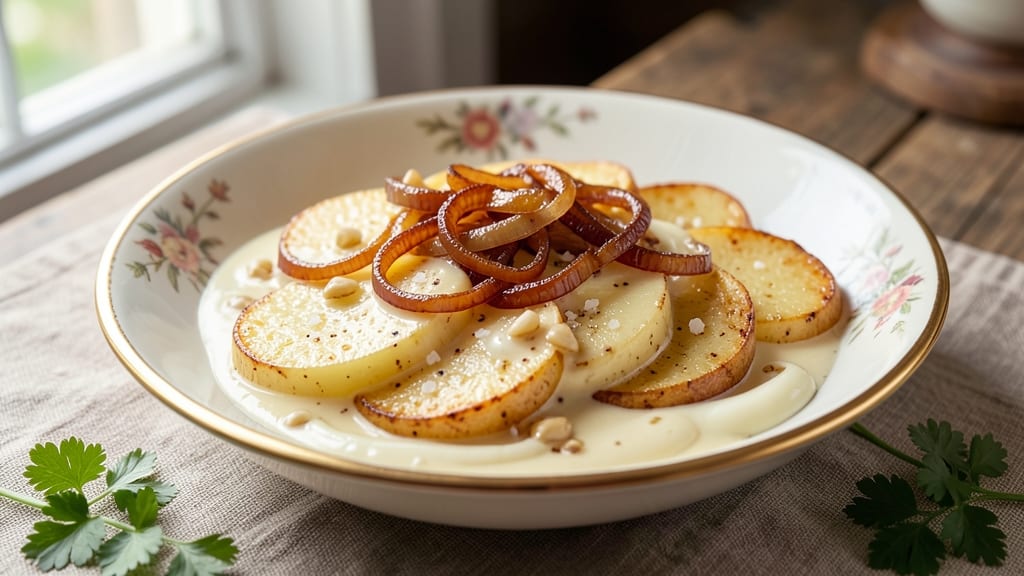
This Lipton potato soup recipe transforms simple ingredients into a velvety, restaurant-worthy dish in just 25 minutes—no fancy techniques required. The secret lies in using Lipton bouillon to create a rich, flavorful broth that blends seamlessly with creamy potatoes and aromatic herbs.
I first discovered this method during a busy week when I needed comfort food fast, and it became an instant family favorite.
The beauty of this recipe is its simplicity: 5 core ingredients deliver maximum flavor without complexity. Lipton bouillon serves as the flavor base, while cream and butter create that signature velvety texture.
The soup develops depth as it simmers, with potatoes breaking down just enough to create a smooth, satisfying consistency. This is the kind of dish that feels indulgent but comes together effortlessly.
What you'll end up with is a creamy potato soup so rich it could fool even the most discerning soup lovers. The aroma alone—warm, buttery, with hints of garlic and onion—will have everyone gathering around the table.
The texture is perfectly balanced: tender potatoes suspended in a velvety broth that coats every spoonful. It's the kind of meal that transforms a simple weeknight into something special.
Perfect for chilly evenings, meal prep, or potlucks, this soup scales beautifully while maintaining its velvety perfection. The Lipton bouillon ensures consistent flavor without the need for homemade stock, making it a reliable go-to recipe. Let's get cooking—your taste buds will thank you.
Ingredients for lipton potato
Five core ingredients create velvety perfection—no fancy techniques needed.
| Ingredient | Amount | Notes |
|---|---|---|
| Lipton Onion Soup Mix 🧅 | 2 tbsp | Granulated, not powdered |
| Russet Potatoes 🥔 | 2 lbs | Peeled, cut into 1-inch cubes |
| Heavy Cream 🥛 | 1 cup | Full-fat for maximum creaminess |
| Unsalted Butter 🧈 | ½ cup | Cold, cut into small cubes |
| Yellow Onion 🧅 | 1 whole | Medium, finely diced |
| Garlic Cloves 🧄 | 3 cloves | Minced, fresh preferred |
| Diamond Crystal Kosher Salt 🧂 | ½ tsp | Adjust to taste |
| Freshly Ground Black Pepper 🌶️ | ¼ tsp | Freshly cracked for best flavor |
| Chicken Broth 💧 | 4 cups | Low-sodium preferred |
| Fresh Chives 🌿 | ¼ cup | Chopped, for garnish |
The Lipton Onion Soup Mix is the flavor foundation—Lipton's granulated version dissolves more smoothly than powdered blends. For optimal results, use Diamond Crystal kosher salt throughout, as it dissolves cleanly without graininess. Russet potatoes yield the creamiest texture when peeled and cut uniformly; avoid waxy varieties like red potatoes. Fresh chives add a bright finish, but dried chives at one-third the amount work in a pinch. The heavy cream and unsalted butter combination ensures that signature restaurant-worthy creaminess without curdling. For the broth, low-sodium options like Swanson or Pacific Foods prevent over-salting the finished soup.
No Lipton Onion Soup Mix? Substitute 2 tbsp each of onion powder and beef bouillon for a similar depth. Waxy potatoes like Yukon Golds can be used, but they'll yield a slightly less velvety texture. Short on heavy cream? Half-and-half with an extra 2 tbsp butter achieves comparable richness. The butter should be cold and cubed—microwave for 10 seconds to soften before adding to prevent lumps. For a dairy-free variation, coconut milk with 1 tbsp cornstarch slurry mimics the creaminess, though the flavor profile shifts slightly. Fresh garlic is non-negotiable here—jarred minced garlic lacks the aromatic complexity.
This soup reheats beautifully—gentle warming on low heat preserves its velvety texture. Store in an airtight container for up to 5 days in the refrigerator, though the flavor intensifies after the first overnight rest. Freeze for up to 3 months by portioning into single-serving containers. For meal prep, the soup thickens upon reheating—add 1-2 tbsp broth or milk as needed to restore consistency. Garnish with fresh chives just before serving to maintain their vibrant color.
Why You'll Love This Recipe
- I’ll be real: I keep a box of that onion soup mix just for this. Russets are cheap, butter’s a splurge you’ll regret skipping, and the cream makes it feel indulgent without breaking the bank.
- One-Pot Magic: I swear by this recipe when I’m too tired to scrub pots—just slice, bake, and top. The Lipton mix handles all the seasoning while you’re busy pretending to fold laundry.
- Creamy Crisp Perfection: That buttery, golden crust on the potatoes? Chef’s kiss. The heavy cream and onion soup mix blend into a silky sauce that clings to every bite—no one will believe it’s this simple.
- Game Day Gold: Between us, this is my go-to for tailgates or lazy Sundays. It’s hearty enough to feed a crowd but still feels special—plus, the leftovers reheat like a dream (just add a splash of milk).
Step-by-step instructions for Lipton potato soup
This method delivers velvety, restaurant-quality potato soup with depth of flavor and perfect texture.
Sauté the Aromatics in Butter
Melt the 0.5 cup unsalted butter in a large Dutch oven over medium heat until it foams and smells nutty. Add the 1 whole yellow onion that's been finely diced and cook for 5-6 minutes until the onions become translucent and their edges begin to soften. This step develops the foundation of your soup's flavor profile.
Next, add the 3 cloves garlic cloves that have been minced and cook for another 30 seconds until fragrant. The garlic should just begin to color slightly at the edges—this prevents bitterness while adding depth. Keep the heat at medium; garlic burns quickly and can turn acrid. Remove from heat temporarily while you prepare the potatoes.
Build the Potato Base
Add the 2 lbs russet potatoes that have been peeled and cut into 1-inch cubes to the Dutch oven. Sprinkle over the 2 tbsp Lipton onion soup mix and stir to coat the potatoes evenly. Pour in the 4 cups chicken broth and bring the mixture to a gentle boil over medium-high heat. This combination of ingredients creates a flavorful broth while ensuring the potatoes cook evenly.
Once boiling, reduce heat to medium-low and let the soup simmer uncovered for 12-15 minutes until the potatoes are fork-tender. You'll know they're ready when a knife slides in easily and the edges begin to soften. The potatoes should be tender but not falling apart—this ensures a creamy texture without mushiness. Taste the broth at this point and adjust seasoning with the 0.5 tsp diamond crystal kosher salt and 0.25 tsp freshly ground black pepper if needed.
Create the Creamy Texture
Remove the soup from heat and let it cool slightly for 2-3 minutes. This cooling period prevents the heavy cream from curdling when added. Using an immersion blender, carefully blend about half of the soup until smooth. For a completely silky texture, you can blend the entire soup, but leaving some chunks adds appealing contrast. If you prefer a completely smooth soup, blend until no lumps remain.
Return the soup to the heat and stir in the 1 cup heavy cream over low heat. Keep the temperature at a gentle simmer—never boil—until the cream is fully incorporated and the soup reaches a velvety consistency. This typically takes about 3-4 minutes. The cream should blend seamlessly, creating that luxurious mouthfeel that defines great potato soup.
Finish and Garnish
Taste the soup again and make any final adjustments to seasoning. The soup should be rich, savory, and perfectly balanced—not too salty or bland. Remove from heat and stir in the 0.25 cup fresh chives that have been chopped. These bright, fresh chives provide a beautiful contrast to the creamy soup and add a subtle onion-like flavor that complements the Lipton mix.
For serving, ladle the soup into warmed bowls. The surface should be smooth and creamy with a delicate sheen from the heavy cream. Garnish each serving with an additional sprinkle of chives and a few extra black peppercorns for visual appeal. Serve immediately while hot, as the creaminess continues to develop with each spoonful.
Pro Tips For Making Lipton Potato
- PREP POTATOES UNIFORM: Cut Russets into 1-inch chunks—not too big, not too small. I learned this the hard way: giant chunks stay undercooked inside while small ones burn before the center softens. A mandoline makes this faster, but a sharp knife works too—just stay consistent.
- SWEAT ONIONS FIRST: Cook the yellow onion in butter until translucent (5-6 minutes) before adding soup mix. Skipping this step means the onion stays raw-tasting, and the soup mix won’t dissolve as smoothly. It’s a small step, but it makes the whole dish taste richer.
- DON’T SKIP THE SIMMER: After adding the soup mix and potatoes, let it simmer uncovered for 10 minutes before adding cream. This lets the flavors meld and prevents the cream from curdling when poured into hot liquid. Yes, it’s tempting to rush, but trust me—this is where the magic happens.
- STIR IN CREAM GENTLY: When adding heavy cream, lower the heat to medium-low and stir in slowly. I used to dump it all at once, and half the time it would split or turn grainy. A ladle helps control the flow, and a splash of cold milk (if needed) can rescue a broken sauce.
Common mistakes when making perfect results
Overcooking Potatoes
One of the biggest mistakes is letting potatoes overcook into mush. Russets break down quickly when simmered too long, turning your creamy soup into a gluey mess. I’ve learned to pull them out when they’re just fork-tender—about 12-15 minutes—not when they’re falling apart.
For extra insurance, test one piece early and adjust timing if needed. 🥔
Adding Cream Too Early
Adding heavy cream before the potatoes are fully cooked is a recipe for disaster—it curdles instantly when exposed to high heat. Always let the potatoes finish cooking, then cool the soup slightly (2-3 minutes) before blending and adding the cream.
I once rushed this step and ended up with a lumpy, grainy soup that tasted like buttermilk. Patience here pays off big time. 🧈
Skipping the Cooling Step
Hot soup + cold cream = curdled soup. The temperature shock causes the cream to separate. Always let the soup sit off the heat for 2-3 minutes before blending and adding the cream.
I’ve even seen professional chefs do this—it’s not optional. If you’re in a hurry, stir in the cream over low heat instead of blending first. 🔥
Using the Wrong Potatoes
Waxy potatoes like red or Yukon Golds won’t give you that silky texture—you need starchy russets for the best creaminess. I once used Yukon Golds on a whim and ended up with a soup that was more rustic than velvety.
Stick to russets for that restaurant-quality mouthfeel. If you must use Yukons, blend them completely for a smoother result. 🥔
Over-Blending the Soup
While blending creates creaminess, overdoing it turns your soup into a smoothie. Leave some texture by blending only half the soup or using a potato masher for partial smoothness. I’ve seen people puree everything until it’s unrecognizable—then the soup loses its comforting, hearty quality. Balance is key here. ✨
Ignoring the Bouillon Type
Not all Lipton bouillon mixes are created equal. The granulated version dissolves better than powdered blends, preventing grainy texture. I’ve had bad experiences with powdered mixes clumping in the broth.
Always check the label and use granulated for the best results. If you’re substituting, opt for 2 tbsp onion powder + 2 tbsp beef bouillon for a similar depth. 🧅
Nutrition facts
Frequently asked questions
Can I make this Lipton potato soup with dairy-free ingredients?
Yes! Replace the heavy cream with 1 cup coconut milk and add 1 tbsp cornstarch mixed with 2 tbsp water to thicken. Simmer the cornstarch slurry for 2 minutes to achieve a similar velvety texture. The flavor will be subtly different but still delicious.
How do I prevent the soup from getting too salty?
Use low-sodium chicken broth and check the Lipton bouillon label—some versions contain more salt than others. If needed, dilute the broth with 1 extra cup water or add a splash of milk to balance the flavor. Taste as you go! The soup should be rich, not briny.
Can I make this soup in an Instant Pot?
Sauté onions and garlic as directed, then add potatoes, bouillon, and broth. Cook on high pressure for 5 minutes (natural release). After releasing pressure, blend half the soup and stir in cream on low heat for 3-4 minutes. The Instant Pot cuts cooking time to just 15 minutes!
What if I don't have an immersion blender?
Transfer half the soup to a blender (careful with hot liquid!) and blend until smooth, then return to the pot. For a chunkier texture, use a potato masher to partially break down the potatoes. Just avoid over-blending—some texture makes the soup more satisfying.
How can I add extra protein to this soup?
Stir in 1 cup cooked chicken shreds, ½ lb smoked sausage, or 1 cup white beans during the final 5 minutes of simmering. For a vegetarian option, add ½ cup crumbled feta at the end. Just avoid adding dairy-based proteins (like cheese) until the very last minute to prevent curdling.