
Main Courses
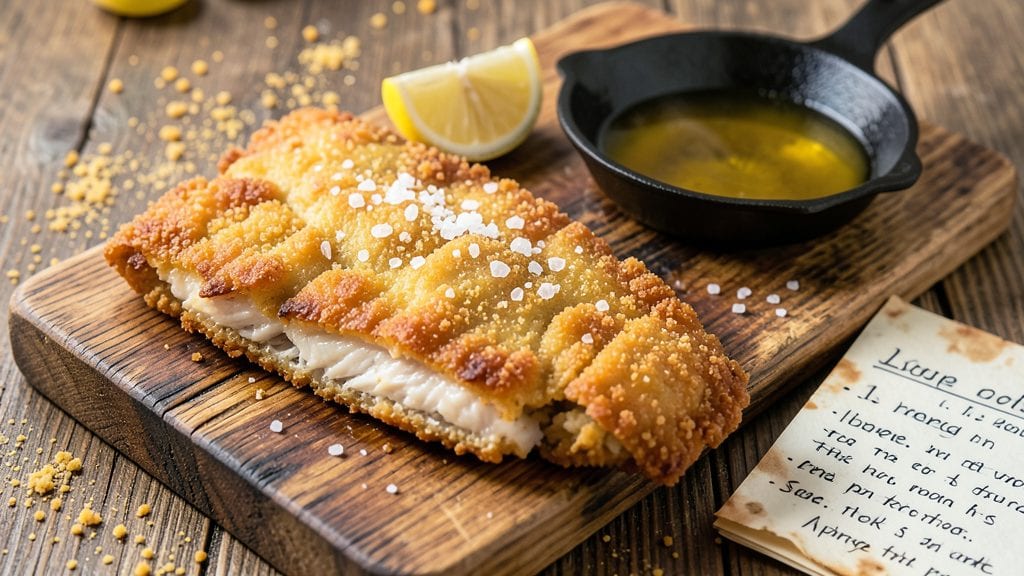
This Louisiana fried fish recipe delivers the crispy, golden perfection you crave with a buttermilk batter that stays light and airy while creating that iconic Southern crunch. The secret lies in the cornmeal flour blend and precise frying temperature—too hot and it burns, too cool and it soaks up oil.
I've perfected this technique over years of weekend cookouts, where the sizzle of fish hitting the oil becomes the soundtrack of summer.
The batter's magic comes from resting the fish in buttermilk for at least 30 minutes before dredging—this ensures maximum crispiness without a dense coating.
We use a blend of all-purpose flour, cornmeal, and a touch of baking powder for that signature Louisiana texture that's crispy on the outside but tender inside.
The remoulade dip, with its tangy mayo, hot sauce, and fresh herbs, cuts through the richness while adding a zesty kick that balances every bite.
What you'll end up with is restaurant-quality fried fish that's golden brown and shatteringly crisp, served with a vibrant remoulade that adds color and flavor to every plate.
The aroma alone will have everyone gathering at the table, and the first bite delivers that perfect combination of crunch and tender fish. This is the kind of dish that makes weeknight dinners feel like a celebration.
Pair it with classic Cajun sides like crispy fries or a fresh tabbouleh salad to complete the Louisiana experience. The remoulade sauce works equally well as a dip or a topping, so don't be afraid to get creative with how you serve it.
Let's get cooking—this recipe is about to become a weekend staple in your kitchen.
Ingredients for louisiana fried fish
Buttermilk-soaked fish, crispy cornmeal batter, and zesty remoulade—this is your shortcut to Southern fried fish perfection.
| Ingredient | Amount | Notes |
|---|---|---|
| White Fish Fillets 🐟 | 1 ½ lb | Catfish, tilapia, or cod preferred |
| Buttermilk 🥛 | 1 cup | Full-fat for best flavor |
| All-Purpose Flour 🌾 | 1 cup | For light, crispy batter |
| Yellow Cornmeal 🌽 | ½ cup | Fine grind for smooth texture |
| Baking Powder 🍞 | 1 tbsp | For extra crispiness |
| Salt 🧂 | 1 tsp | Kosher or sea salt |
| Black Pepper 🌶️ | ½ tsp | Freshly ground preferred |
| Vegetable Oil 🫒 | 3 cups | For deep frying (350°F) |
| Mayonnaise 🥛 | ½ cup | Duke's or Hellmann's |
| Hot Sauce 🌶️ | 2 tbsp | Crystal or Tabasco |
| Fresh Parsley 🌿 | ¼ cup | Chopped for remoulade |
| Fresh Cilantro 🌿 | ¼ cup | Chopped for remoulade |
| Garlic Cloves 🧄 | 2 cloves | Minced for remoulade |
| Lemon Juice 🍋 | 2 tbsp | Freshly squeezed |
| Paprika 🌶️ | ½ tsp | Smoked for color |
The fish is everything here. Catfish is traditional, but tilapia or cod work just as well—they stay firm during frying. Look for fillets that are fresh and plump, not dried out. I grab mine from Whole Foods or the seafood counter at Kroger, where they're usually pre-cut for convenience. The buttermilk is non-negotiable—it tenderizes the fish while keeping the batter light. Full-fat buttermilk gives the best flavor, but low-fat works in a pinch. Let the fish soak for at least 30 minutes (up to 2 hours) for maximum crispiness.
No cornmeal? Self-rising flour plus a pinch of baking powder gets you close. Short on mayo for the remoulade? Greek yogurt thinned with hot sauce works surprisingly well. The hot sauce is key—Crystal or Tabasco add that authentic kick, but any hot sauce you like will do. Fresh herbs matter here, so if you're using dried, reduce to one-third the amount. The lemon juice should be freshly squeezed—bottled won't cut it. For extra crunch in the batter, I like to add a tablespoon of crushed cornflakes to the flour mix.
Keep the fried fish warm in a 200°F oven while you fry the rest—it stays crispy for up to 15 minutes. The remoulade keeps for 3 days in the fridge, but the flavor peaks within the first 24 hours. Double the batter mix and freeze extras in ice cube trays—just thaw and use as needed. The oil? Strain and reuse up to 3 times, then toss it. Always keep a thermometer handy—350°F is non-negotiable for that perfect crunch.
Why You'll Love This Recipe
- Two-Step Magic: I swear, this recipe is all about the marinade-and-fry rhythm—soak the fish in buttermilk for 30 minutes while you prep the rest, then dip in that golden flour-cornmeal mix. No fancy techniques, just crispy perfection with minimal fuss.
- Crunchy-Creamy Dream: That cornmeal crust? Chef’s kiss. It’s got this addictive crunch on the outside, but the buttermilk tenderizes the fish so it melts in your mouth—like biting into a Southern hug. The baking powder gives it just enough lift to feel special without extra effort.
- Tailgate to Tuesday: Between us, this feeds a crowd without breaking the bank. Double the batch for game day, pack leftovers for lunch, or serve it at a potluck—it’s the kind of dish that disappears fast. (Yes, even on a Tuesday night.)
- Budget-Friendly Crunch: Fish fillets stretch far here, and the pantry staples (flour, cornmeal) mean you’re not buying specialty ingredients. I’ve made this for under $12 for four servings—crispy, satisfying, and zero guilt. Leftovers? Reheat in the oven, and it’s just as good the second time.
Step-by-step instructions for Louisiana fried fish
Here's how to make crispy, golden fried fish with a perfect buttermilk batter and tangy remoulade.
Prepare the Fish and Batter
Pat the 1.5 lb white fish fillets completely dry with paper towels—this ensures the batter sticks and creates maximum crispiness. Season both sides lightly with ½ teaspoon of the black pepper. In a shallow dish, whisk together 1 cup buttermilk, 1 cup all-purpose flour, ½ cup yellow cornmeal, 1 tablespoon baking powder, 1 teaspoon salt, and ½ teaspoon paprika until smooth. The batter should be thick but pourable, like heavy cream.
Let the batter rest for 10 minutes while you heat the oil. This resting time allows the flour to fully hydrate, creating a lighter, crispier crust. If you're using thicker fillets like catfish, you might want to lightly pound them to an even ½-inch thickness for more consistent cooking.
Fry the Fish to Golden Perfection
Heat 3 cups vegetable oil in a deep skillet or Dutch oven to 350°F. Use a deep-fry thermometer to monitor the temperature—this is crucial for even cooking. Working in batches if needed, dip each fish fillet into the batter, letting any excess drip off before carefully sliding it into the hot oil.
Fry for 3-4 minutes per side until the fish is golden brown and the batter is crispy all over. You'll know it's ready when the crust releases easily from the fish and the internal temperature reaches 145°F. Don't overcrowd the pan—this lowers the oil temperature and makes the fish greasy rather than crispy. Transfer fried fish to a wire rack set over a paper towel-lined plate to drain excess oil.
Make the Spicy Remoulade Dip
While the fish fries, make the remoulade by combining ½ cup mayonnaise, 2 tablespoons hot sauce, 2 tablespoons freshly squeezed lemon juice, 2 cloves minced garlic, ¼ cup chopped fresh parsley, and ¼ cup chopped fresh cilantro in a bowl. Mix well and taste—adjust the hot sauce or lemon juice to reach your preferred level of tang and heat.
This dip is what makes this fried fish truly Louisiana-style. The creamy mayo balances the heat from the hot sauce, while the fresh herbs and citrus brighten the whole dish. Let it sit for 5 minutes before serving to allow the flavors to meld together. The remoulade should be thick enough to coat the back of a spoon but still spreadable.
Serve Immediately for Maximum Crunch
Serve the fried fish immediately with the remoulade on the side for dipping. The fish will be at its crispiest right out of the fryer, so don't let it sit too long before eating. For a complete meal, pair with hush puppies, collard greens, or a simple green salad. The contrast between the crispy, golden fish and the cool, tangy remoulade is what makes this dish so irresistible.
If you're serving this for a crowd, keep the fish warm in a 200°F oven while you finish frying additional batches. The remoulade can be made ahead of time and stored in the refrigerator for up to 2 days, but I recommend making it fresh for the best flavor. Enjoy your taste of classic Louisiana with this crispy, flavorful fried fish!
Pro Tips For Making Louisiana Fried Fish
- PAT THE FISH DRY: I learned this the hard way—wet fish fillets won’t crisp up no matter how much flour you throw at them. Grab paper towels and press firmly on both sides before dredging. (Yes, even if you’re impatient like me, give it 30 seconds.)
- MIX CORNMEAL LAST: The flour-buttermilk batter is where the magic happens, but cornmeal needs to stay separate until the very end. Toss the floured fillets in cornmeal just before frying—that’s what gives it that signature crunch. (Skip this, and you’ll get a sad, mealy crust.)
- FRY IN BATCHES: Crowd the pan, and the oil temp drops like a rock. Fry 2-3 fillets at a time in 350°F oil—enough to keep the heat steady and the crust golden, not greasy. (Your future self will thank you when the first batch turns out perfect.)
- REST THE BUTTERMILK: Cold buttermilk makes for a thicker batter, but room temp works better here. Let it sit for 10 minutes before dipping—this keeps the coating from sliding off mid-fry. (I know, I know, but trust the process.)
Essential equipment for perfect results
Deep Fryer Essentials
For authentic Louisiana fried fish, a deep skillet or Dutch oven is my go-to—like my trusty All-Clad Stainless Steel Dutch Oven. It holds enough oil for multiple pieces without overcrowding.
If you're frying a crowd, consider a commercial-grade deep fryer like the Presto 02720—it maintains temperature better and handles larger batches. Always use a deep-fry thermometer (I recommend ThermoWorks Thermapen ONE) to monitor the 350°F oil temperature precisely. 🌡️
Batter Prep Tools
Start with a shallow glass or ceramic dish for the batter—it’s non-reactive and easy to clean. A whisk (like my OXO Good Grips) ensures no lumps form in the batter. For drying the fish, grab paper towels (Bounty works best for soaking up moisture).
A measuring cup set (like Pyrex) keeps your ratios accurate, and a rubber spatula helps scrape every last bit of batter from the bowl.
Oil Management
Use vegetable oil for frying—it’s affordable and has a high smoke point. I keep a 32-ounce oil bottle (like Crisco Vegetable Oil) on hand for quick refills. A fine-mesh strainer (from OXO) helps filter out food particles between uses, extending the oil’s life.
For oil disposal, I line a coffee can with a plastic bag—just seal and toss when full. Never reuse oil past 3 uses or if it smells rancid.
Serving Setup
A wire cooling rack placed over a paper towel-lined tray keeps fried fish crispy by allowing air circulation. For serving, I use a wooden board (like a Butcher Block) to add rustic charm, paired with small ramekins for the remoulade.
A tongs set (like Mercer Culinary) helps serve without breaking the crust. For extra presentation, add lemon wedges and chopped parsley on the side. 🍽️
Optional Upgrades
For a cornmeal batter, I like adding 1 tablespoon of crushed cornflakes for extra crunch. A mini food processor (like Cuisinart DLC-2A) can quickly pulse herbs for the remoulade.
If you love blackened fish, a cast-iron skillet (like Lodge) lets you sear the fish before frying for a smoky twist. For storage, glass airtight containers (like Pyrex) keep remoulade fresh for up to 3 days in the fridge.
Nutrition facts
Frequently asked questions about Louisiana fried fish
What type of fish works best for this recipe?
This recipe is designed for white fish fillets like catfish, tilapia, or cod—these stay firm during frying and absorb flavors beautifully. Avoid delicate fish like flounder or sole, as they can fall apart. For extra authenticity, ask your fishmonger for fresh Gulf catfish, which is a Louisiana staple.
Can I make the batter ahead of time?
Yes! Mix the dry ingredients (flour, cornmeal, baking powder, salt, and pepper) in advance and store them in an airtight container for up to 1 week. When ready to fry, just whisk in the buttermilk. The batter should rest for 10 minutes before using for best results.
Why is my fried fish soggy instead of crispy?
Soggy fish usually means the oil wasn't hot enough (350°F is critical) or the fish wasn't dried thoroughly before battering. Always pat fillets very dry with paper towels and let the batter rest. Overcrowding the fryer also lowers oil temp—fry in batches if needed.
How do I store leftover fried fish?
Store fried fish in a single layer on a wire rack in the fridge for 2 hours to maintain crispiness. Then transfer to an airtight container for up to 2 days. For longer storage, freeze fried fish (uncooked) for 1 month—just thaw and fry fresh when ready. Reheating in a 350°F oven for 5 minutes restores some crunch.
Can I make this recipe gluten-free?
Swap the all-purpose flour for a 1:1 gluten-free flour blend (like Bob's Red Mill) and use gluten-free cornmeal. Add ½ teaspoon xanthan gum to the batter for better binding. The remoulade stays gluten-free as-is.