
Soups & Stews
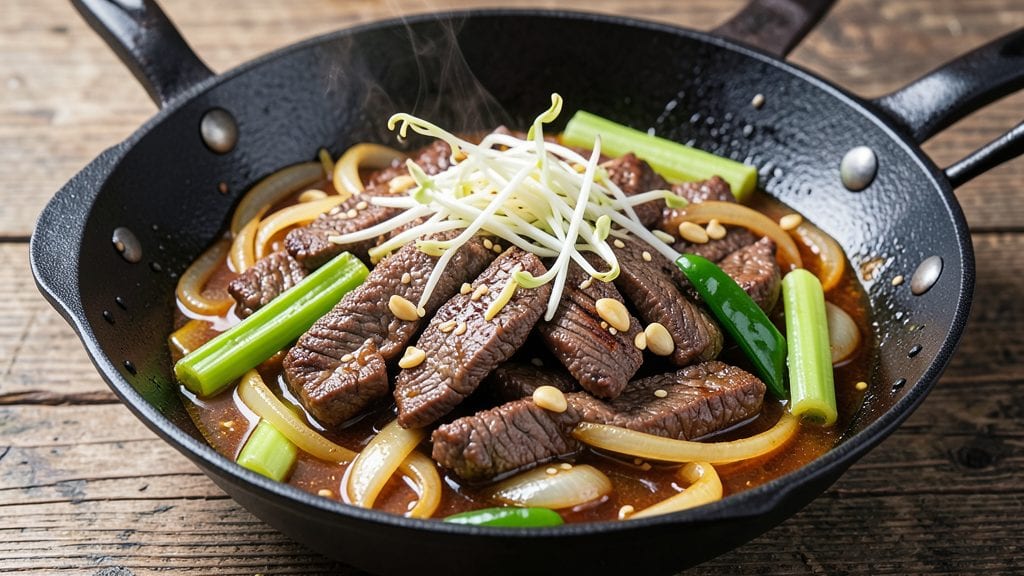
This old fashioned beef chop suey recipe brings back the nostalgic flavors of mid-century American-Chinese dining, where crisp-tender beef and fresh vegetables dance in a rich soy-brown gravy sauce.
The dish’s origins trace back to 19th-century Chinese-American immigrants adapting their cuisine to local tastes, and this version stays true to that tradition while delivering restaurant-quality results at home.
The magic lies in the wok-heating technique, where beef and vegetables achieve that signature crisp-tender texture while the sauce simmers just enough to coat everything perfectly. No fancy equipment needed—just a sturdy skillet or wok, a few simple ingredients, and about 30 minutes of hands-on time.
The combination of celery, bean sprouts, and onions creates a satisfying crunch, while the beef stays juicy and flavorful.
What you’ll end up with is a steaming bowl of retro comfort food—golden-brown beef, vibrant vegetables, and a savory sauce that clings to every bite. The aroma alone will transport you to old-school diners, but the taste proves it’s just as delicious at home.
This dish is hearty enough for a family dinner yet simple enough for a weeknight meal.
Serve it over steamed rice or noodles for the full experience, and don’t be surprised if everyone asks for seconds. The key to success? High heat, quick cooking, and a well-balanced sauce. Let’s get cooking!
Ingredients for old fashioned beef chop suey
Simple ingredients that deliver nostalgic, restaurant-quality beef chop suey with crisp-tender beef and vibrant vegetables.
| Ingredient | Amount | Notes |
|---|---|---|
| Flank Steak 🥩 | 1 ½ lb | Thinly sliced against grain |
| Yellow Onion 🧅 | 1 whole | Sliced into half-moons |
| Celery Stalk 🌿 | 3 whole | Cut into 1-inch pieces |
| Green Bell Pepper 🌶️ | 1 whole | Sliced into strips |
| Bean Sprouts 🌱 | 2 cups | Fresh or thawed frozen |
| Garlic Cloves 🧄 | 4 cloves | Minced for aroma |
| Soy Sauce 🍶 | ½ cup | High-quality light soy |
| Oyster Sauce 🍜 | 2 tbsp | For depth of flavor |
| Brown Sugar 🍬 | 2 tbsp | Light or dark |
| Cornstarch 🌾 | 1 tbsp | For sauce thickening |
| Sesame Oil 🫒 | 1 tsp | Toasted for aroma |
| Vegetable Oil 🫒 | ½ cup | High smoke point |
| Salt 🧂 | 1 tsp | Diamond Crystal preferred |
| Black Pepper 🌶️ | ½ tsp | Freshly cracked |
| Green Onions 🧅 | 3 whole | Sliced for garnish |
The flank steak is non-negotiable for authentic texture—it stays tender when sliced thinly against the grain. Costco or Whole Foods carry excellent cuts, but any quality butcher will trim it properly. Look for well-marbled meat to ensure juiciness. Bean sprouts should be fresh or thawed frozen—Trader Joe's sells them pre-washed for convenience. Celery should be crisp with no brown spots, and green bell peppers should be firm with vibrant skin. The garlic cloves should be plump and unblemished for optimal flavor development during the quick stir-fry process.
No soy sauce? Coconut aminos work in a pinch, though the flavor profile shifts slightly. Substitute oyster sauce with hoisin sauce at double the amount for a sweeter alternative. Brown sugar can be swapped for honey or maple syrup, but brown sugar's molasses notes are traditional. For the cornstarch, arrowroot powder is a 1:1 substitute. Sesame oil is essential for aroma—toasted sesame oil adds depth, while regular sesame oil provides basic flavor. If you're short on green onions, use scallions or chives for garnish, though green onions' mild onion flavor is preferred.
Store bean sprouts in a sealed container in the fridge for up to 5 days, and green onions keep for 1 week wrapped in damp paper towels. The cooked chop suey reheats beautifully—simply add a splash of water or soy sauce and warm through on medium heat. It freezes well for 3 months when stored in airtight containers. For quick assembly, prep all vegetables and slice the steak ahead of time, storing them separately in the fridge until ready to cook.
Why You'll Love This Recipe
- One-Pan Magic: I swear by this recipe when I’m too tired to scrub a million dishes—just sear the flank steak, toss in the onions, peppers, and celery, then let the soy sauce and bean sprouts work their magic. The veggies soften while the beef stays tender, and cleanup? One spatula, one pan. That’s it.
- Umami Bomb: The combo of flank steak (marinated in soy, vinegar, and a hint of sugar) and that crisp-tender celery and bell pepper mix? It’s like a flavor explosion in your mouth. Honestly, the first time I made it, my husband asked for seconds before I even finished serving—no exaggeration.
- Meal Prep MVP: This dish reheats like a dream, so I double the batch every Sunday. The bean sprouts add that fresh crunch even after sitting in the fridge, and the beef stays juicy if you store it with a splash of the cooking sauce. Perfect for lazy lunches or when friends drop by unannounced.
- Budget-Friendly Feast: Flank steak stretches far when sliced thin, and the veggies (onion, celery, pepper) are pantry staples that won’t break the bank. I’ll be real: this feeds four for under $15, and it’s the kind of meal that makes you feel like you’re eating at a diner—without the markup. Plus, leftovers taste just as good cold in a sandwich.
Step-by-step instructions for old fashioned beef chop suey
This retro method delivers restaurant-quality chop suey with perfectly tender beef and crisp-tender vegetables.
Prepare the Flank Steak for Maximum Tenderness
Begin by slicing the 1.5 lb flank steak thinly against the grain into ¼-inch thick strips. This crucial step ensures each bite remains tender despite the vigorous wok cooking. Pat the sliced beef dry with paper towels to promote better browning.
In a medium bowl, combine the beef strips with 0.5 cup soy sauce, 2 tbsp oyster sauce, 2 tbsp brown sugar, 1 tsp sesame oil, 1 tsp salt, and 0.5 tsp black pepper. Toss gently but thoroughly to coat all surfaces. Let the marinated beef rest for at least 20 minutes at room temperature - this allows the flavors to penetrate deeply while preventing the meat from toughening during cooking.
Build the Vegetable Base for Crisp-Tender Texture
Heat 0.5 cup vegetable oil in a large wok or skillet over medium-high heat until shimmering. Add the sliced 1 whole yellow onion, 3 whole celery stalks (cut into 1-inch pieces), and 1 whole green bell pepper (cut into strips). Stir-fry for 4-5 minutes until the vegetables soften slightly but maintain their distinct shapes and bright colors.
Add the 4 cloves minced garlic and continue cooking for 30 seconds until fragrant. This quick cooking preserves their freshness while building flavor. Remove the vegetables to a separate plate and set aside - they'll be added back later when the beef is nearly done.
Cook the Beef to Perfect Doneness
Return the wok to medium-high heat and add the marinated beef in a single layer. Cook undisturbed for 1-2 minutes until the beef develops a deep brown crust on the bottom. This initial searing locks in juices while creating that classic chop suey texture.
Stir the beef vigorously for 2-3 minutes until it reaches medium rare doneness (approximately 130°F internal temperature). The beef should be tender yet still slightly springy to the touch. Remove the beef to the plate with the vegetables and set aside.
Create the Signature Chop Suey Sauce
In a small bowl, whisk together 1 tbsp cornstarch with 2 tablespoons water to create a smooth slurry. Return the wok to medium heat and pour in the slurry, stirring constantly for 1-2 minutes until the sauce thickens slightly and coats the back of a spoon.
Add the beef and vegetable mixture back to the wok along with 2 cups bean sprouts. Toss everything together for 2-3 minutes until the bean sprouts are heated through and the entire mixture is evenly coated with sauce. The bean sprouts should remain crisp - they should offer slight resistance when bitten.
Finish and Serve with Classic Garnish
Remove the chop suey from heat and let it rest for 2 minutes. This brief resting period allows the flavors to meld while maintaining the crisp-tender texture of all components. Garnish with 3 whole green onions sliced diagonally for freshness and visual appeal.
Serve immediately over steamed rice or noodles for the complete retro experience. The beef should be tender yet still offer slight resistance, the vegetables crisp-tender with vibrant colors, and the sauce perfectly balanced between savory and slightly sweet. Each bite should deliver that nostalgic comfort while maintaining restaurant-quality texture.
Pro Tips For Making Old Fashioned Beef Chop Suey
- Slice Steak Against the Grain: I learned this the hard way—flank steak fights you if you don’t cut it properly. Slice it thin (about ¼-inch) and diagonally against the grain before cooking, or you’ll end up with chewy strips instead of tender, fork-friendly bites. (Yes, it’s tedious, but your chop suey will reward you.)
- Char the Aromatics First: Skip the slow simmer and start with a scorching-hot wok or skillet. Sear the onions, celery, and bell pepper in 2 tablespoons of oil until the edges are blackened—this builds flavor that no amount of soy sauce can replicate. (I know, I know, it looks messy, but trust the process.)
- Don’t Overcrowd the Pan: After burning three batches of chop suey, I finally figured out: work in batches. If you toss in all the veggies and beef at once, they’ll steam instead of sear. Cook the steak first in one layer, then set it aside before adding the veggies in smaller groups. (Your future self will thank you.)
- Use Cold Sprouts: Bean sprouts wilt into sad mush if you add them too early. Keep them in an ice bath until the very end, then toss them in just to warm through—no more than 30 seconds. (This isn’t the prettiest method, but it’s the tastiest.)
Creative variations of this old fashioned beef chop suey
Classic Diner Version
For a true mid-century diner experience, swap the flank steak for sirloin tips cut into ½-inch cubes. Brown them in batches first with 1 tbsp vegetable oil until deeply caramelized, then set aside.
Use 1 cup sliced mushrooms along with the traditional vegetables, and add 1 tbsp Worcestershire sauce to the sauce for that classic diner depth. Finish with a sprinkle of toasted sesame seeds for extra crunch. 🍽️
Spicy Sichuan Twist
Transform this dish with 1 tbsp Sichuan peppercorns toasted in a dry wok until fragrant, then ground into the sauce. Add 1 tbsp chili crisp (like Laoganma) and 1 tsp doubanjiang for authentic heat.
Use ground pork instead of beef for a fusion approach, and finish with pickled red chilies for visual pop. The numbing-spicy contrast will transport you to Chengdu. 🌶️
Vegetarian Adaptation
Replace the beef with extra-firm tofu pressed and cubed, then pan-fried until crispy. Use 1 tbsp miso paste in the sauce instead of oyster sauce, and add ½ cup shredded carrots for natural sweetness.
Boost umami with 1 tbsp vegetarian oyster sauce and 1 tsp mushroom powder. Garnish with crispy fried shallots for that restaurant-quality finish. 🌱
Slow-Cooked Comfort
For a tender, fall-apart version, sear the beef as directed, then transfer everything to a slow cooker on low for 3-4 hours. Add ½ cup beef broth to the sauce and 1 tsp five-spice powder for depth.
The result is melt-in-your-mouth beef with vegetables that stay vibrant. Serve over buttered egg noodles for a cozy twist. ⏳
Seafood Upgrade
Swap the beef for shrimp (peeled and deveined) and scallops, searing them just 1-2 minutes per side. Use ½ cup coconut aminos instead of soy sauce for a lighter profile, and add 1 tbsp lime juice to the sauce.
Finish with cilantro and lime zest for brightness. The seafood version cooks in half the time but delivers restaurant-worthy elegance. 🦐
Breakfast Chop Suey
Turn this into a brunch star by adding 2 scrambled eggs cooked sunny-side-up and served on top. Use bacon bits (about ¼ cup) for smoky depth, and swap brown sugar for maple syrup.
Garnish with chopped chives and serve with buttered toast. The salty-sweet-savory combo makes this a weekend favorite. 🍳
Nutrition facts
Frequently asked questions
Why does this recipe call for flank steak instead of round steak?
The flank steak delivers that signature crisp-tender texture when sliced thinly against the grain. Round steak would become overly tough during the vigorous stir-frying. The marbling in flank steak also keeps it juicy despite the quick cooking time. For a more tender alternative, try sirloin tips as suggested in our diner version.
Can I make this chop suey ahead of time?
Yes! Assemble the dish completely and refrigerate for up to 2 days in an airtight container. Reheat gently with a splash of water or soy sauce to restore moisture. For freezing, package portions separately and store for 3 months. The bean sprouts may soften slightly when reheated, so add fresh ones when serving.
What's the secret to crisp-tender vegetables?
High heat and quick cooking are key. Stir-fry vegetables over medium-high heat for just 4-5 minutes until they soften but still hold their shape. Add bean sprouts last to maintain their crunch. The cornstarch slurry also helps create a light coating that preserves texture.
Can I substitute regular soy sauce for coconut aminos?
While possible, coconut aminos will give a subtly different flavor profile—less salty, with a hint of coconut sweetness. For authenticity, stick with light soy sauce. If using coconut aminos, reduce the brown sugar by 1 teaspoon to balance sweetness. The texture remains the same, but the taste will differ slightly.
How do I know when the beef is done?
The beef should reach medium rare (130°F) for best tenderness. It will appear browned on the outside but still slightly pink inside. If using a meat thermometer, check the thickest piece. Without one, cut into a small piece—it should feel tender but not mushy. Overcooking makes the beef tough.