Beverages
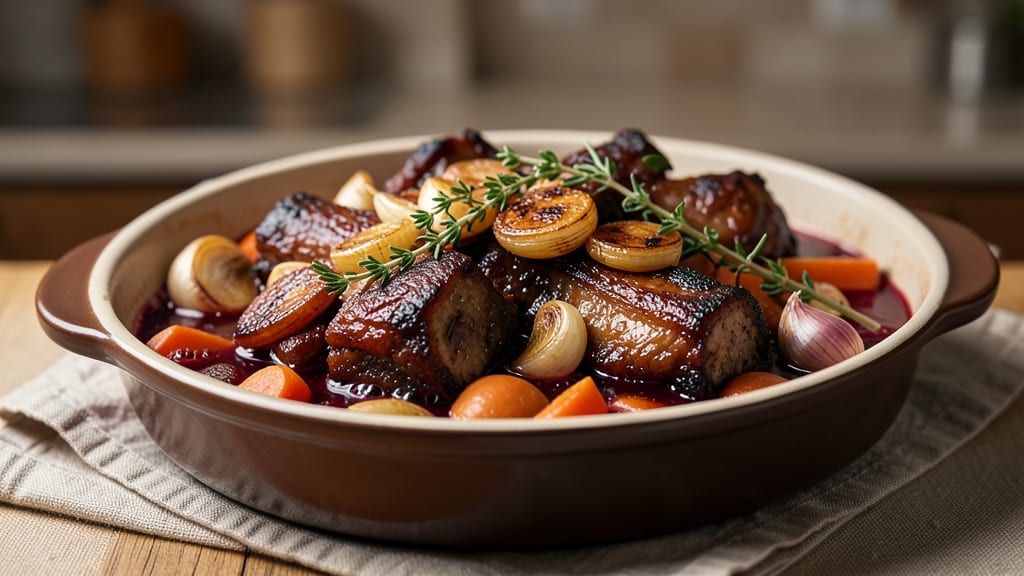
Transforming humble oxtail into a restaurant-worthy dish requires patience and precision—this red wine braise delivers melt-in-your-mouth tenderness with deep umami flavor. The key lies in slow simmering, where red wine reduces into a rich, velvety sauce while the oxtail breaks down into silky perfection.
I developed this recipe after years of refining techniques to balance acidity, sweetness, and savory depth, ensuring every bite is rich yet harmonious.
This method begins with searing the oxtail to lock in juices, followed by deglazing the pan with red wine—a step that builds the foundation for the sauce. Aromatics like onions, garlic, and herbs infuse the liquid, while a touch of sugar caramelizes for subtle sweetness.
The result? Fall-off-the-bone meat swimming in a glossy, wine-infused sauce that clings to each tender strand.
Perfect for hearty meals, this braise pairs beautifully with buttery mashed potatoes or crusty bread to soak up every drop of sauce. The dish reheats well, making it ideal for meal prep or entertaining.
Whether you're feeding a crowd or treating yourself, this recipe delivers professional-quality results with simple, time-tested techniques.
Ready in about 3 hours (mostly hands-off time), this dish proves that slow cooking yields extraordinary flavor. The red wine not only enhances the oxtail but also creates a sauce so rich it becomes the star.
Store leftovers for up to 4 days, or freeze for later—though you may find it disappears faster than expected.
Ingredients for oxtail and red wine
Sixteen ingredients transform humble oxtail into restaurant-quality wine braise with umami-rich sauce.
| Ingredient | Amount | Notes |
|---|---|---|
| Oxtail 🥩 | 4 lb | Freshly cut into 2-inch pieces |
| Red Wine 🍷 | 2 cups | Bold dry variety like Cabernet Sauvignon |
| Yellow Onions 🧅 | 2 whole | Chopped into 1/2-inch pieces |
| Garlic Cloves 🧄 | 8 cloves | Minced for aromatic depth |
| Carrots 🥕 | 4 whole | Cut into 2-inch chunks |
| Fresh Thyme 🌿 | ¼ cup | Leaves only, stems removed |
| Fresh Rosemary 🌿 | 0.1 cup | Chopped, not dried |
| Beef Broth 💧 | 2 cups | Homemade or quality store-bought |
| Tomato Paste 🍅 | ¼ cup | Smooth, not chunky |
| Granulated Sugar 🍚 | 1 tbsp | For subtle caramelization |
| Balsamic Vinegar 🍷 | 1 tbsp | For acidity balance |
| Olive Oil 🫒 | ½ cup | Extra-virgin for richness |
| Salt 🧂 | 2 tsp | Diamond Crystal preferred |
| Black Peppercorns 🌶️ | 1 tsp | Freshly cracked |
| Bay Leaves 🍃 | 2 whole | For subtle earthy flavor |
The oxtail is the star—look for pieces with good marbling and bright red color. Whole Foods or your local butcher usually carry the best cuts. If you're buying frozen, thaw it overnight in the fridge. The red wine should be bold and dry—Cabernet Sauvignon or Merlot work perfectly. I always grab a second bottle because you'll want extra for sipping while you cook. For the aromatics, fresh thyme and rosemary make all the difference—dried just won't cut it here. The beef broth? Homemade is ideal, but a quality store-bought like Kitchen Basics works in a pinch.
No red wine? Beef broth with 1 tbsp balsamic vinegar gets you close, though the sauce won't be as rich. Fresh herbs? Dried thyme at 1/4 the amount works, but you'll miss that fresh aroma. The tomato paste can be the squeeze tube kind—Trader Joe's has great ones that last forever. If you're short on time, pre-chopped onions and carrots from the store save minutes. The sugar and balsamic vinegar might seem odd, but they're key for balancing the deep umami flavors—trust me on this one. For the peppercorns, a quick crack with a mortar and pestle makes all the difference over pre-ground.
This braise tastes even better the next day—make extra if you can. Keeps in the fridge for 4-5 days in an airtight container, or freeze for up to 3 months. I like to portion it into individual containers so I can grab a meal anytime. The sauce thickens as it cools, so add a splash of broth or water when reheating. Leftovers reheat beautifully in a skillet with a splash of water or wine to loosen the sauce.
Why You'll Love This Recipe
- Foolproof Simplicity: The oxtail just needs a quick sear and a slow simmer—no fancy techniques. I toss in chopped onions, garlic, and carrots, then pour in the red wine, cover, and let it do its thing. Honestly, the hardest part is waiting.
- Rich Without Effort: That first sip of the wine-infused sauce? Chef’s kiss. The oxtail melts into tender perfection while the wine deepens into a velvety, slightly tangy flavor. No fancy spices needed—just the natural richness of the ingredients.
- Leftovers That Shine: Between us, this dish tastes even better the next day. I make a double batch on Sundays, freeze half, and pull it out for lazy weeknights. The flavors only get more complex as it sits.
- Budget-Friendly Luxury: Oxtail is often cheaper than beef cuts, and the wine adds depth without breaking the bank. I stretch it over rice or crusty bread, and suddenly, a simple meal feels like a restaurant-worthy treat. (Yes, even on a Tuesday night.)
Step-by-step instructions for oxtail and red wine braise
This braise delivers melt-in-your-mouth oxtail with rich, wine-infused sauce that clings to every tender strand.
Sear the Oxtail for Maximum Flavor
Heat the 0.5 cup olive oil in a heavy Dutch oven over medium-high heat until shimmering. Working in batches to avoid crowding, sear the 4 lb oxtail pieces for 3-4 minutes per side until deeply browned. This caramelization builds the foundation for your sauce.
Don't rush this step—you want the oxtail to develop a deep mahogany crust. If your pan gets too crowded, reduce heat slightly to prevent steaming. Transfer the seared oxtail to a plate as you work. I like to press down gently on the oxtail during the first minute to prevent curling and ensure even contact with the pan.
Build the Aromatic Base
In the same Dutch oven, add the 2 whole yellow onions and 4 whole carrots cut into chunks. Cook for 8-10 minutes until softened and beginning to caramelize. Add the 8 cloves minced garlic cloves, 0.25 cup fresh thyme leaves, and 0.1 cup chopped fresh rosemary, cooking for another 2 minutes until fragrant.
Here's where the magic happens: stir in the 0.25 cup tomato paste and cook for 3 minutes until it darkens slightly. This creates a rich, concentrated base for your braise. The tomato paste also helps thicken the sauce later, so don't skip this step. You'll know it's ready when the raw tomato smell disappears and you're left with a deep, caramelized aroma.
Deglaze and Simmer the Wine
Pour in the 2 cups red wine, scraping up all those delicious browned bits from the bottom of the pan with a wooden spoon. Bring to a gentle simmer and reduce by half—this should take about 10-12 minutes. You're looking for a syrupy consistency where the wine has cooked down to about 1 cup of reduced liquid.
Real talk: this is where patience pays off. If you rush the reduction, your sauce will taste raw and alcoholic. The wine should smell rich and concentrated, with all the alcohol burned off. This is the moment that matters: your sauce is building depth and complexity right before your eyes.
Braise Until Tender
Return the oxtail to the pot along with the 2 cups beef broth, 1 tbsp granulated sugar, 1 tbsp balsamic vinegar, 2 tsp salt, 1 tsp cracked black peppercorns, and 2 whole bay leaves. Bring to a simmer, then reduce heat to low and cover partially. Braise for 2.5-3 hours, turning the oxtail occasionally, until it's fork-tender with silky fall-off-the-bone texture.
Your kitchen will smell incredible during this time—like a mix of wine, thyme, and something deeply comforting. I check for doneness by inserting a fork: if it slides in easily and the oxtail pieces separate with minimal resistance, you're good to go. If the sauce reduces too much, add a splash of water or broth to maintain the perfect consistency.
Finish and Rest for Maximum Richness
Once the oxtail is tender, remove it from the pot and set aside. Strain the braising liquid through a fine-mesh sieve into a clean saucepan and skim off any excess fat. Return the sauce to medium heat and reduce by half again—this concentrates the flavors and creates a glossy, velvety sauce. Taste and adjust seasoning with additional salt or pepper if needed.
Return the oxtail to the sauce and let it soak for 5 minutes to reabsorb all that glorious flavor. Serve immediately with crusty bread or over mashed potatoes to soak up every last drop of that rich, wine-infused sauce. The oxtail should be so tender it practically melts in your mouth, with a sauce that clings beautifully to each strand.
Pro Tips For Making Oxtail And Red Wine
- Brown the Oxtail First: I learned this the hard way—skipping the sear means flavorless broth. Get that oxtail screaming hot in a dry pan for 3-4 minutes per side until deep brown. The crust locks in juices and builds the rich base for your red wine reduction.
- Use Bone-In Oxtail: Yes, it’s pricier, but bone-in oxtail melts into the sauce like butter. The marrow infuses the wine and carrots with depth you won’t get from pre-cut, boneless pieces. If you must use boneless, add a splash of chicken stock to compensate.
- Deglaze with Cold Wine: Pouring warm wine into a hot pan turns it to vinegar. Chill your wine first, then deglaze with a splash of cold liquid (water or stock) to loosen browned bits before adding the wine. The sauce will thank you later—smooth, not harsh.
- Simmer Low and Long: Oxtail needs 2.5–3 hours of gentle bubbling, not a rolling boil. Cover partially, keep heat at a whisper, and stir occasionally to prevent sticking. The collagen will render into silk, but rush it, and you’ll end up with tough, watery bits.
Dietary considerations for this dish
Gluten-Free Adaptations
This recipe is naturally gluten-free, but always double-check your ingredients—especially the beef broth. I use Kitchen Basics gluten-free beef broth to ensure no hidden gluten. The red wine, tomato paste, and other components are typically gluten-free, but cross-contamination can occur if using shared kitchen tools.
For extra safety, I recommend using a dedicated pot and utensils when preparing for gluten-sensitive guests. 💡
Vegetarian Substitutes
While traditional oxtail is meat-based, you can create a vegetarian version by substituting mushroom stems (like king oyster mushrooms) or hearts of palm for texture. I marinate the mushrooms in soy sauce and balsamic vinegar for umami depth before braising.
The red wine reduction and aromatics remain the same, creating a rich, meaty-like sauce. For protein, add chickpeas or lentils to the braise during the final hour.
Low-Carb Options
To make this dish lower in carbs, skip the onions and carrots or replace them with cauliflower florets and celery for a similar texture. I also reduce the tomato paste to 2 tbsp and increase the beef broth by ½ cup to maintain sauce consistency.
The oxtail remains the star, providing rich flavor without the carb-heavy vegetables. Always verify your wine choice is low-sugar, as some varieties contain residual sugars. 🥩
Dairy-Free Considerations
This recipe is already dairy-free, but if serving with sides, opt for dairy-free alternatives like cashew cream or coconut milk mashed potatoes. The red wine braise pairs beautifully with roasted vegetables or a simple green salad dressed with olive oil and lemon.
For extra richness, I sometimes drizzle the finished dish with a touch of olive oil before serving. Always check labels on broth and tomato paste for dairy traces if strict dietary needs apply.
Allergen-Friendly Tips
For nut allergies, avoid adding any nut-based garnishes or sauces. If shellfish allergies are present, ensure your beef broth is shellfish-free (some brands use anchovies). For soy allergies, skip soy-based marinades and verify all ingredients—some tomato pastes contain soy lecithin.
I always keep a separate set of utensils and cutting boards for allergen-sensitive prep to prevent cross-contamination. 🌟
Protein Swaps
If oxtail is unavailable, try beef short ribs or pork shoulder for a similar braising experience. For a lighter option, substitute chicken thighs (increase cooking time to 1 hour and reduce wine by ½ cup).
The red wine reduction technique remains the same, adapting only the cooking time and protein quantity. I find beef short ribs work best—they hold up well to long braising and develop incredible tenderness.
Nutrition facts
Frequently asked questions
Can I substitute another type of wine?
While bold red wines like Cabernet Sauvignon or Merlot work best, you can use Pinot Noir for a lighter profile. Avoid sweet wines—they'll overpower the dish. For non-alcoholic versions, use grape juice or beef broth with 1 tbsp balsamic vinegar instead. The key is acidity balance, so adjust sugar to taste if needed.
How do I know when the oxtail is fully tender?
Test with a fork after 2.5 hours—it should slide in easily with no resistance. The meat should separate cleanly from the bone. If it's still firm, return it to the pot and cook 30 minutes longer. Overcooking won't ruin it, but the sauce may reduce too much. If needed, add ¼ cup broth to maintain consistency.
Why did my sauce turn cloudy?
Cloudiness often means the wine didn't reduce enough or the sauce wasn't strained properly. Always reduce the wine by half first, then strain through a fine-mesh sieve to remove impurities. For extra clarity, skim excess fat from the surface before serving. A slightly cloudy sauce is fine—it just means more particles are suspended, adding texture.
Can I make this in an Instant Pot?
Yes! Sear the oxtail first, then add all ingredients except the bay leaves. Cook on high pressure for 60 minutes, then natural release for 15 minutes. Remove the oxtail, strain the sauce, and reduce it on the stovetop. The pressure cooker speeds up the process but may yield a slightly thinner sauce—adjust with a cornstarch slurry if needed.
What if I don't have fresh herbs?
Use ½ tsp dried thyme and ¼ tsp dried rosemary (one-third the fresh amount). Toast the dried herbs in the pot for 30 seconds before adding other aromatics to enhance their flavor. Skip the stems—they're tough and won't soften. For bay leaves, dried works fine, but remove them before serving as they can be bitter.