Breakfast & Brunch
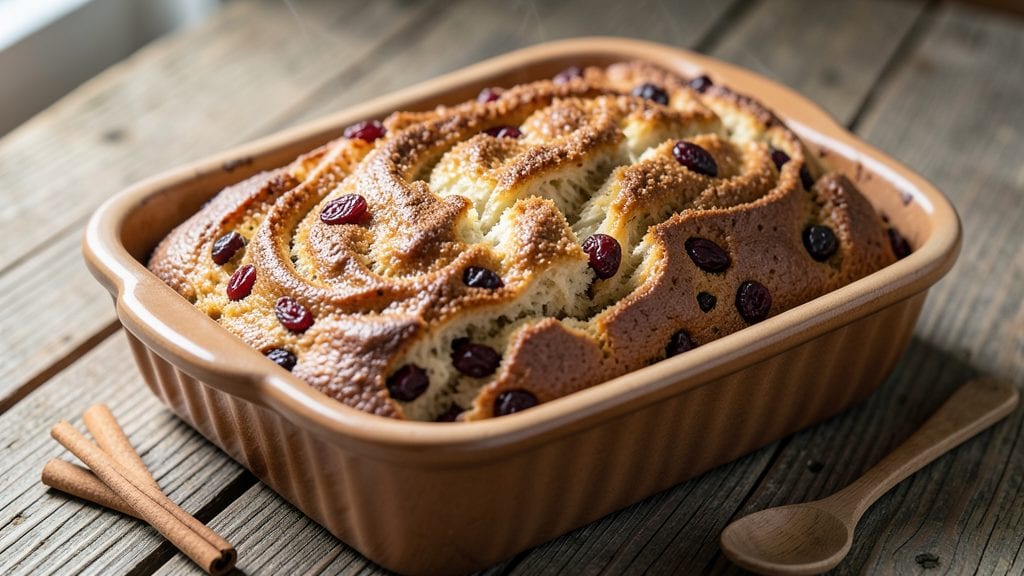
This Amish cinnamon raisin bread recipe delivers the kind of pull-apart softness that makes every slice worth the wait—warm cinnamon swirls and plump raisins throughout, just like Grandma used to make.
The secret lies in a slow fermentation process that develops deep flavor while keeping the crumb tender and moist, a technique passed down through generations in Amish kitchens.
I've perfected this version to ensure a golden crust that shatters slightly when broken open, revealing those signature cinnamon-sugar pockets and bursts of sweet raisins in every bite.
The beauty of this recipe is its simplicity combined with professional results—no fancy equipment required, just time and patience. The dough comes together with basic pantry staples, and the slow rise (overnight in the refrigerator) allows the gluten to relax and the flavors to meld beautifully.
What sets this apart from store-bought versions is the texture: a soft, almost cake-like crumb that holds together just enough to pull apart cleanly, yet crumbles into tender pieces when sliced. This is the kind of bread that disappears faster than you can say "second helping."
By the time it emerges from the oven, you'll have a loaf that smells like warm cinnamon and fresh-baked goodness, with a crust that's perfectly crisp yet tender enough to eat.
The raisins stay plump and juicy, not dried out, while the cinnamon-sugar swirls create pockets of sweet, spiced flavor in every bite. It's the kind of bread that makes breakfast feel special, whether served warm with butter or saved for afternoon tea with a cup of coffee.
This recipe also works beautifully as a gift—wrap slices in parchment paper tied with twine for a homemade touch that always impresses. The dough can be prepped ahead, making it perfect for holiday baking or when you want to treat your family to something truly homemade.
Let's get started on creating this classic Amish favorite in your own kitchen.
Ingredients for amish cinnamon raisin bread
Eight simple ingredients transform into a loaf with pull-apart softness and warm cinnamon raisin bursts.
| Ingredient | Amount | Notes |
|---|---|---|
| All-Purpose Flour 🌾 | 5 cups | Sifted for light texture |
| Granulated Sugar 🍚 | ½ cup | White or light brown |
| Instant Yeast 🍞 | 2 ½ tsp | Single-use packet preferred |
| Unsalted Butter 🧈 | ½ cup | Cold, cubed for easier mixing |
| Whole Milk 🥛 | 1 cup | Room temperature for activation |
| Large Eggs 🥚 | 2 whole | Room temperature for best results |
| Sea Salt 🧂 | 1 ½ tsp | Fine grain preferred |
| Cinnamon 🌶️ | ½ cup | Ground, high-quality preferred |
| Light Brown Sugar 🍚 | ½ cup | Packed, for filling |
| Plump Raisins 🍇 | 1 ½ cups | Soaked in warm water first |
| Vanilla Extract 🌸 | 1 tsp | Pure, for depth of flavor |
| Butter 🧈 | ¼ cup | Melted, for brushing |
The flour is your foundation—King Arthur or Gold Medal brands work best for that tender crumb. If you're using a different brand, check the protein content (10-11% is ideal). The butter should be cold when you mix it in—this creates flaky layers that give the bread its signature pull-apart texture. I always grab organic raisins from Trader Joe's—they stay plump and juicy, not dried out. For the yeast, if it's past its expiration date, test it first by mixing with warm water and a pinch of sugar—it should foam in 5-10 minutes.
No whole milk? Evaporated milk or even almond milk (unsweetened) works in a pinch, but the bread might not rise as high. Short on raisins? Chopped dates or dried cranberries add a nice twist. The cinnamon can be swapped for cinnamon sticks if you want to infuse the dough—just crush them finely. For a deeper flavor, add 1 tsp of vanilla bean paste instead of extract. If you're baking at high altitude, reduce the yeast by 0.5 tsp to prevent over-rising. The dough should be soft but not sticky—add a splash more milk if needed.
This dough is best made the night before—wrap tightly in plastic and refrigerate for 8-12 hours. The slow rise develops that signature Amish flavor. When ready to bake, let it sit at room temperature for 1 hour before shaping. The loaf keeps well for 3 days at room temperature, wrapped in a clean kitchen towel. For longer storage, freeze slices on a tray first, then transfer to a bag—this prevents them from sticking. Reheat in a 350°F oven for 5-10 minutes to restore that fresh-baked warmth.
Why You'll Love This Recipe
- No Yeast Fuss: I swear by this recipe because it uses instant yeast—just toss it in with the warm milk and flour, no waiting for it to bloom. The dough comes together in minutes, and honestly? That’s my kind of baking.
- Warm Spice Hug: The butter and cinnamon in this bread aren’t just in there—they’re everywhere. Each slice is soft, fragrant, and studded with plump raisins that soak up the sweetness like a sponge. (Yes, even on a Tuesday night.)
- Breakfast to Brunch: This bread is my secret weapon for lazy mornings—toast it with butter and jam for breakfast, or serve it warm with coffee. It’s also the star of my weekend brunch spread, where it disappears faster than I can say “second slice.”
- Leftovers That Last: A single loaf feeds my family for days. The crust stays crisp, the center stays tender, and it reheats beautifully in the toaster. Plus, it’s budget-friendly—I use basic pantry staples and end up with something that tastes like a bakery treat.
Step-by-step instructions for Amish cinnamon raisin bread
Here's how to create that signature pull-apart texture with perfectly sweetened raisin pockets.
Prepare the Raisins and Mix the Dough
Start by soaking the 1.5 cups plump raisins in warm water for 10 minutes. This plumps them up so they burst with flavor in every bite. Drain well and set aside. In a large mixing bowl, combine the 5 cups all-purpose flour and 1.5 tsp sea salt. Whisk to remove any lumps and ensure even distribution.
Next, create a well in the center and add the 2.5 tsp instant yeast, 0.5 cup granulated sugar, and 0.5 cup cold unsalted butter cut into small cubes. Gently mix these ingredients together using a wooden spoon. The butter should begin to break down into the flour, creating a crumbly texture. This is the foundation of your bread's tender crumb.
Add Wet Ingredients and Knead
In a separate bowl, whisk together the 1 cup whole milk (warmed to room temperature), 2 whole large eggs, 1 tsp vanilla extract, and 0.5 cup packed light brown sugar until smooth. Pour this mixture into the flour mixture and stir gently with a wooden spoon until combined. You'll notice the dough beginning to come together.
Transfer the dough to a lightly floured surface and knead for 5-7 minutes until smooth and elastic. The dough should be soft but not sticky. If it feels too dry, add a tablespoon of milk at a time. If it's too sticky, add a bit more flour. The goal is a dough that springs back slowly when poked. This kneading step develops the gluten, which gives the bread its signature pull-apart texture.
First Rise and Prepare the Filling
Lightly grease a large bowl with a bit of melted butter (from the 0.25 cup butter) and place the dough inside. Cover the bowl with a clean kitchen towel and let it rise in a warm place for 1 to 1.5 hours, or until doubled in size. The dough should be puffy and jiggly when gently touched.
While the dough rises, prepare the filling by combining the 0.5 cup cinnamon and drained raisins in a small bowl. Mix well to ensure every raisin is coated with cinnamon. This mixture will create those irresistible pockets of spiced sweetness throughout the bread. The warm cinnamon will infuse the raisins with its aromatic flavor, making each bite taste like a little dessert.
Shape and Second Rise
Punch down the risen dough to release any air bubbles. On a lightly floured surface, roll the dough into a 16x12-inch rectangle about 1/4-inch thick. Spread the cinnamon-raisin mixture evenly over the surface, leaving a 1-inch border around the edges. Starting from the long side, tightly roll the dough into a log, pinching the seam to seal.
Place the sealed log seam-side down in a greased 9x5-inch loaf pan. Cover with a towel and let it rise again for 30-45 minutes, until it's just about to overflow the pan. The dough should feel firm but still slightly springy to the touch. This second rise is crucial for that perfect pull-apart texture and light crumb.
Bake to Golden Perfection
Preheat your oven to 350°F. Brush the top of the dough with the remaining melted butter (from the 0.25 cup butter) and sprinkle with an additional tablespoon of granulated sugar if desired. Bake for 45-50 minutes, until the top is deep golden brown and the internal temperature reaches 190°F.
Remove the bread from the oven and let it cool in the pan for 10 minutes. Then transfer it to a wire rack to cool completely. The bread should pull apart easily with your hands, revealing those pockets of cinnamon and raisins. For the best flavor, serve warm with a pat of butter or a drizzle of honey. This bread tastes even better the next day when the flavors have fully melded together.
Pro Tips For Making Amish Cinnamon Raisin Bread
- MIX BUTTER AND SUGAR FIRST: I learned this the hard way—skipping this step means your dough will be tougher and less tender. Cream the softened butter and sugar until it’s pale and fluffy (about 2-3 minutes with a mixer), or do it by hand until it looks like wet sand. This coats the flour properly and keeps the bread moist longer.
- DON’T OVERMIX THE DOUGH: Once you add the flour, stop mixing the second everything comes together. Overworking the dough develops gluten, which makes the bread dense instead of light and pillowy. Just fold until no dry bits remain—your future self will thank you for not turning it into breadboard.
- USE WARM MILK FOR YEAST: The yeast needs to wake up, and lukewarm milk (about 105-110°F) does the trick. Stick your finger in—if it feels like bathwater, it’s perfect. Cold milk kills the yeast; hot milk cooks it. Skip the guesswork and use a thermometer if you’re unsure.
- LET THE DOUGH RISE UNTIL DOUBLED: Yes, it’s tempting to bake it sooner, but patience here makes all the difference. The dough should rise until it’s about twice its original size—this ensures a light, airy texture. If your kitchen is chilly, give it an extra 30 minutes. No shortcuts here.
Common mistakes when making great amish cinnamon raisin bread
Over-Kneading the Dough
One of the most common mistakes is over-kneading the dough, which develops too much gluten and results in a tough, chewy loaf instead of that signature pull-apart softness. I’ve seen beginners knead for 10+ minutes—stop as soon as the dough springs back slowly when poked (usually 5-7 minutes).
Over-kneading also causes the raisins to tear, releasing their juices too early and making the dough sticky. Use a kitchen scale for precision—5 cups of flour should yield a smooth, elastic dough without excessive handling. 💫
Skipping the Soak
Never skip soaking the raisins! Dried raisins absorb moisture during baking, turning into hard, chewy bits that ruin the texture. Soak them in warm water for 10 minutes before adding to the dough, then drain well.
If you’re short on time, soak them in ¼ cup warm milk instead—it adds richness while plumping them up. Pro tip: Pat them dry with a paper towel to prevent excess moisture in the dough. 🍇
Yeast Temperature Issues
The milk and water used to activate yeast must be 100-110°F—too hot kills the yeast, too cold slows fermentation. I test mine by dipping my finger in: if it feels warm but not hot, it’s perfect.
If your kitchen is cold, place the bowl of dough in a turned-off oven with the light on for 5-10 minutes to create a warm environment. Using expired yeast?
Test it first by mixing 2.5 tsp with ¼ cup warm water and 1 tsp sugar—it should foam in 5-10 minutes.
Underfilling the Dough
Unevenly distributing the cinnamon-raisin filling leads to dry pockets and flavorless bites. Spread the mixture in a thin, even layer over the rolled-out dough, leaving that 1-inch border—this prevents leaks during baking. For extra insurance, press the seam tightly when rolling.
I like to use a measuring spoon to portion the filling evenly across the dough. If you’re nervous about leaks, chill the dough for 15 minutes before baking to slow the rise and keep fillings contained. 🌶️
Baking at Wrong Temp
Ovens vary wildly—if yours runs hot, your bread may burn before it’s fully baked. Use an oven thermometer to confirm your 350°F setting is accurate. For dark-colored pans, reduce heat to 325°F to prevent over-browning. The internal temperature should reach 190°F—a meat thermometer inserted into the center is foolproof.
I’ve seen loaves pulled too soon with a raw center or over-baked with a dry crust. The golden-brown color is your best visual cue, but always check the temp! ⏰
Ignoring the Rest
Rushing to slice the bread immediately after baking is a cardinal sin. The bread needs 10 minutes in the pan and 30 minutes** on a rack to set properly. Cutting too soon causes the crumb to collapse and the raisins to ooze.
This resting time also lets the flavors meld—trust me, the wait is worth it. For gift-giving, let it cool completely before wrapping to prevent condensation and sogginess. 💡
Nutrition facts
Frequently asked questions
Can I make this bread without a stand mixer?
This recipe works perfectly with just a wooden spoon and your hands. After mixing the wet ingredients, knead the dough on a lightly floured surface for 5-7 minutes until smooth. The key is to handle it gently to avoid over-developing the gluten, which can make the bread tough. A dough scraper helps prevent sticking during kneading.
How do I store leftovers to keep them fresh?
Wrap cooled slices tightly in plastic wrap or place them in an airtight container with a paper towel to absorb moisture. This bread stays fresh at room temperature for 3 days. For longer storage, freeze slices on a tray first (to prevent sticking), then transfer to a freezer bag. Reheat frozen slices in a 350°F oven for 5-10 minutes until warmed through.
Can I substitute raisins with other dried fruit?
Yes! Try chopped dates, dried cranberries, or even chocolate chips for a different twist. Soak the fruit first (except chocolate chips) to prevent dryness. Use the same amount as raisins, but note that dates may make the bread denser. For a festive touch, mix raisins with ½ cup chopped pecans—they add crunch and richness.
Why did my bread turn out dense instead of pull-apart?
This usually happens from over-kneading (too much gluten development) or skipping the soak for raisins. Knead only until the dough springs back slowly (5-7 minutes), and always soak raisins for 10 minutes in warm water. Another common issue is underfilling—the cinnamon-raisin mixture should be spread evenly in a thin layer, leaving a 1-inch border to prevent leaks.
Can I make this bread in a Dutch oven for a crisper crust?
While this recipe is designed for a loaf pan, you can adapt it for a Dutch oven by shaping the dough into a round and baking at 375°F for 35-40 minutes. The crust will be thicker and crisper, but the interior texture may be slightly denser. For best results, brush the top with melted butter and sprinkle with extra sugar before baking. The pull-apart quality will still be there, just with a rustic crust!