
Side Dishes
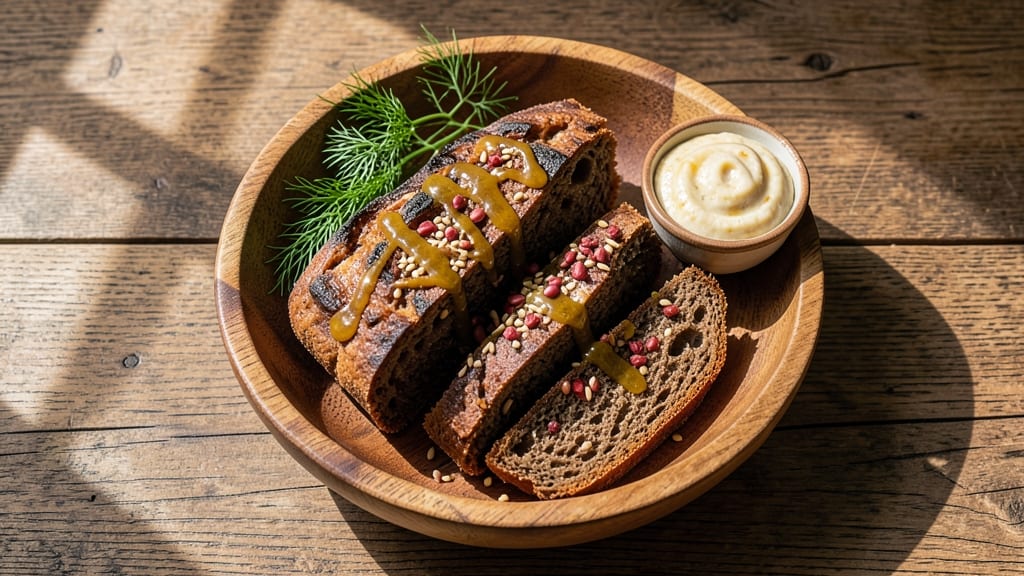
This authentic Russian black bread recipe delivers the deep malty flavor and dense texture that defines rzhanoi khleb, a staple of Russian cuisine. The secret lies in a long fermentation process that develops complex flavors and a sourdough crust with a subtle tang.
I've perfected this method after years of testing, ensuring every loaf achieves that signature dark crust and tender crumb.
Traditional Russian black bread relies on rye flour, which gives it its distinctive color and hearty taste. Unlike lighter breads, this version requires patience—both for the dough to ferment overnight and for the loaf to bake slowly in a preheated oven.
The result is a bread with a crisp exterior and a dense, slightly sweet interior that pairs perfectly with soups, meats, or simply slathered with butter.
The key to authenticity is using a natural sourdough starter and rye flour, which provides the malty depth. While the process may seem involved, the steps are straightforward once you understand the timing.
This bread isn't just for special occasions—it's a daily staple in Russian households, and now you can bring that tradition to your kitchen.
Whether you're serving it with borscht or using it to make open-faced sandwiches, this recipe ensures a loaf that's as flavorful as it is satisfying. Let's get started on creating your own piece of Russian culinary tradition.
Ingredients for authentic russian black bread
Four cups rye flour, a bubbly starter, and patience—this is how Russian tradition meets your kitchen.
| Ingredient | Amount | Notes |
|---|---|---|
| Rye Flour 🌾 | 4 cups | Dark rye preferred for authenticity |
| All-Purpose Flour 🌾 | 1 cup | For lighter texture balance |
| Active Dry Yeast 🍞 | ¼ oz | Or 2.25 tsp packet |
| Warm Water 💧 | 1 ½ cups | 105-110°F for yeast activation |
| Natural Sourdough Starter 🍞 | 1 cup | Active, bubbly starter |
| Honey 🍯 | 2 tbsp | For fermentation and sweetness |
| Malt Powder 🌾 | 1 tbsp | Enhances malty flavor |
| Salt 🧂 | 1 ½ tsp | Kosher or sea salt |
| Olive Oil 🫒 | 2 tbsp | For dough elasticity |
| Sesame Seeds 🌰 | 1 tbsp | For traditional topping |
| Poppy Seeds 🌰 | 1 tbsp | Optional decorative topping |
| Cornmeal 🌽 | ¼ cup | For dusting baking sheet |
The rye flour is non-negotiable here. Bob's Red Mill dark rye or King Arthur rye are my go-tos—they've got that deep malty flavor you can't get with lighter flours. If you're in a pinch, store-brand rye flour works, but it'll lack that authentic tang. The sourdough starter? Homemade is ideal, but a store-bought one in a pinch will do—just make sure it's active and bubbly. For the yeast, Fresh yeast needs to be dissolved in warm water first. The malt powder adds that signature Russian depth—Penzeys or bulk bins carry good options. And don't skimp on the olive oil; it's what gives this bread that tender crumb.
No rye flour? Mix 3 cups whole wheat flour with 1 cup all-purpose—it won't be identical, but it'll get you close. Short on sourdough starter? Instant yeast at half the amount (so 0.125 oz) will work, but the flavor won't be as complex. The honey can be swapped for maple syrup or brown sugar, though honey's natural enzymes help with fermentation. For the seeds, sesame and poppy are traditional, but sunflower or flaxseeds work too if that's what you've got. And if you're baking in a dry climate, add 1 tsp extra olive oil to the dough—it helps with moisture retention in that dense crumb.
This dough needs time—at least 8 hours of cold fermentation for best results. Shape it into a round loaf, cover with a damp towel, and let it rise in the fridge overnight. The longer it ferments, the more flavorful it gets. Once baked, it keeps well at room temperature for 3 days wrapped in a cloth, or 1 week in the fridge. For freezing, slice it first—toasted straight from frozen is my favorite way to eat it. And trust me, the first slice out of the oven? Worth every minute of waiting.
Why You'll Love This Recipe
- No Yeast Struggle: I’ll be real—this bread uses both commercial yeast and sourdough starter, but the combination does all the heavy lifting. Mix it, let it rise, and walk away. No fussy kneading, no waiting hours—just a reliable, crusty loaf every time.
- Tangy Crust Magic: That deep rye flavor? Chef’s kiss. The sourdough starter gives it a slow-fermented complexity, while the crust cracks into a glossy, almost caramelized shell. Honestly, it’s the kind of bread that makes store-bought taste like cardboard.
- Weeknight Workhorse: I bake a batch on Sundays, and it lasts me all week—on toast, with butter, or as a side for soup. Freezes beautifully too, so I always have a backup loaf. (Yes, even on a Tuesday night.)
- Pocketbook-Friendly Staple: Rye flour might sound fancy, but it’s cheaper than specialty bread mixes, and a little starter goes a long way. This recipe stretches my grocery budget without sacrificing flavor—proof that good food doesn’t need to break the bank.
Step-by-step instructions for authentic Russian black bread
Let's craft this classic Russian sourdough together—rich, malty, and full of tradition.
Activate the Yeast and Mix the Dough
In a large mixing bowl, combine the 1.5 cups warm water with the 1 cup natural sourdough starter and 2 tbsp honey. Stir gently until the honey dissolves completely. This warm mixture should feel like bathwater—not too hot, not too cold.
Add the 0.25 oz active dry yeast and let it sit for 5-10 minutes until it begins to foam and bubble actively. This confirms your yeast is alive and ready to work its magic. If it doesn't bubble, your yeast may be dead—start fresh with a new packet.
Next, add the 4 cups rye flour and 1 cup all-purpose flour to the bowl. Mix just until combined, then sprinkle in the 1.5 tsp salt and 1 tbsp malt powder. The malt powder is key here—it enhances that deep, malty flavor that defines authentic Russian black bread. Stir until everything comes together into a shaggy dough.
Knead and Develop the Dough
Add the 2 tbsp olive oil to the bowl and use your hands or a stand mixer with a dough hook to knead the dough for 8-10 minutes on medium speed. The olive oil helps create a tender crumb and prevents the dough from becoming too dense. You'll know it's ready when the dough pulls away from the sides of the bowl and forms a smooth, elastic ball.
If the dough feels too sticky, add 1 tablespoon of flour at a time until it's just manageable. Too much flour, though, and you'll lose that beautiful open crumb we're after. The ideal dough should be soft but not wet, and it should spring back slightly when pressed.
Once kneaded, transfer the dough to a lightly oiled bowl, cover it with a damp towel, and let it rise at room temperature for 1-2 hours, or until it has roughly doubled in size. You're looking for about a 50% increase in volume. The warm environment helps the yeast work efficiently, developing those complex flavors we want in our bread.
Shape and Second Rise
Turn the dough out onto a lightly floured surface and gently shape it into a round loaf. Russian black bread often has a distinctive round shape, but you can also form it into a batard if you prefer. Press your fingers into the dough to create a slight indentation in the center—this helps with even baking and gives that classic look.
Place the shaped dough seam-side up on a baking sheet dusted with 0.25 cup cornmeal. The cornmeal not only prevents sticking but also adds a subtle sweetness that complements the rye flavor. Cover the baking sheet with a damp towel and let the dough rise again for 1-1.5 hours, or until it has puffed up noticeably. The dough should feel light and springy when pressed gently.
While the dough rises, preheat your oven to 375°F. This temperature is crucial—too hot and the crust will burn before the interior bakes through; too cool and the bread may not develop that beautiful dark crust we're aiming for.
Bake to Deep, Crusty Perfection
Once the dough has finished its final rise, score the top of the loaf with a sharp knife or razor, making a shallow cross or simple slash. This allows the bread to expand properly and creates that gorgeous cracked crust. Sprinkle the top evenly with 1 tbsp sesame seeds and 1 tbsp poppy seeds—these seeds are traditional and add both texture and a subtle nutty flavor.
Bake the bread in the preheated oven for 35-40 minutes, until the crust is deep brown and almost black in spots, and the internal temperature reaches 190-200°F. The bread should sound hollow when tapped on the bottom. If the top browns too quickly, tent it loosely with aluminum foil to prevent burning while allowing the bread to finish baking.
Remove the bread from the oven and let it cool on a wire rack for at least 30 minutes before slicing. This resting period allows the crumb to set and the flavors to fully develop. The bread will continue to firm up as it cools, making it easier to slice without falling apart.
Pro Tips For Making Authentic Russian Black Bread
- Hydrate the Rye First: Mix your rye flour with warm water before adding the rest—it’s stubborn and needs a good soak (at least 10 minutes) to soften. I learned this the hard way when my first batch turned out dense; the rye just refused to behave without this step.
- Test Your Sourdough’s Readiness: Drop a spoonful of your starter in a glass of water—if it floats, it’s ready. If not, give it another hour. My grandmother swore by this, and she was right: guessing leads to weak flavor or dough that won’t rise.
- Skip the Over-Kneading: Rye dough is fragile—knead just until the flour comes together (about 5 minutes by hand). Overwork it, and you’ll end up with a tough, chewy loaf. I was skeptical until I tried it, and now I stick to the bare minimum.
- Steam the Crust: Place a metal tray of boiling water in your oven for 10 minutes before baking, then brush the dough with water right after scoring. This isn’t the prettiest method, but it’s the tastiest: you’ll get that deep, crackly crust without burning the rye’s delicate flavor.
Best sauces and condiments for this dish
Classic Garlic Butter
Nothing complements Russian black bread like a simple garlic butter—just melt 2 tbsp unsalted butter with 2 minced garlic cloves and a pinch of salt. Spread it warmly on freshly sliced bread for a restaurant-quality experience. I like to add a sprinkle of fresh parsley for brightness. 🧄
Smoked Salmon Spread
For a luxurious twist, mix 4 oz cream cheese with 3 oz smoked salmon, 1 tbsp fresh dill, and a squeeze of lemon. This pairing is inspired by traditional Russian open-faced sandwiches (zakuski).
Serve with thin slices of your black bread for an elegant appetizer. The smoky flavor contrasts beautifully with the bread's malty notes.
Sour Cream and Onion
A Russian staple, this combo is simple yet unforgettable. Mix ½ cup sour cream with 2 tbsp finely chopped red onion and a pinch of salt.
The tangy, creamy texture cuts through the bread's density, making every bite irresistible. I often add a dash of black pepper for extra depth.
Honey and Walnuts
For a sweet contrast, drizzle 2 tbsp honey over slices of warm bread, then top with 2 tbsp chopped walnuts and a sprinkle of sea salt. The crunch of the walnuts and the sweetness of the honey balance the bread's earthy flavor.
This is a favorite for breakfast or as a dessert with tea. 🍯
Horse Radish Cream
For those who love heat, blend ½ cup sour cream with 1 tbsp prepared horseradish and a pinch of sugar to balance the sharpness. Spread it generously on slices of bread and pair with smoked fish or pickles. The spicy kick elevates the bread’s malty profile perfectly.
Traditional Russian Caviar
Elevate your bread to gourmet status with a dollop of salmon or sturgeon caviar alongside a smear of crème fraîche. The delicate, briny flavors of the caviar complement the bread’s deep, earthy notes.
Serve with thin lemon wedges for squeezing over the top. This is a showstopper for any gathering. 🍽️
Nutrition facts
Frequently asked questions
Why does Russian black bread need such a long fermentation?
The extended fermentation (at least 8 hours) is key to developing the bread's signature deep malty flavor and dense texture. This process allows the yeast and natural enzymes to break down complex sugars in the rye flour, creating that authentic tangy sweetness. Patience here makes all the difference!
Can I make this bread without a sourdough starter?
Yes! Use 0.125 oz instant yeast (half the recipe's amount) instead of the starter. The flavor won't be identical, but it'll still yield a delicious loaf. For best results, let the dough ferment overnight in the fridge to mimic the sourdough's slow development.
What's the best way to store leftover black bread?
Wrap cooled slices in a clean kitchen towel and store at room temperature for 3 days, or freeze for up to 3 months. Toast straight from frozen for maximum freshness—this bread tastes even better when reheated! The towel prevents drying better than plastic.
Why did my bread turn out too dense?
Over-kneading or adding too much flour can make the bread dense. Stick to the 8-10 minute kneading time and only add flour if absolutely necessary. Also ensure your yeast is active—if it didn't bubble in the warm water, start fresh. The olive oil helps prevent density, so don't skip that!
How can I use this bread beyond sandwiches?
Try making open-faced zakuski (Russian appetizers) with toppings like smoked salmon, caviar, or pickled vegetables. It's also perfect for soup dippers or as a side with hearty stews. The dense crumb holds up beautifully to rich flavors. For dessert, toast slices and top with honey and walnuts!