
Main Courses
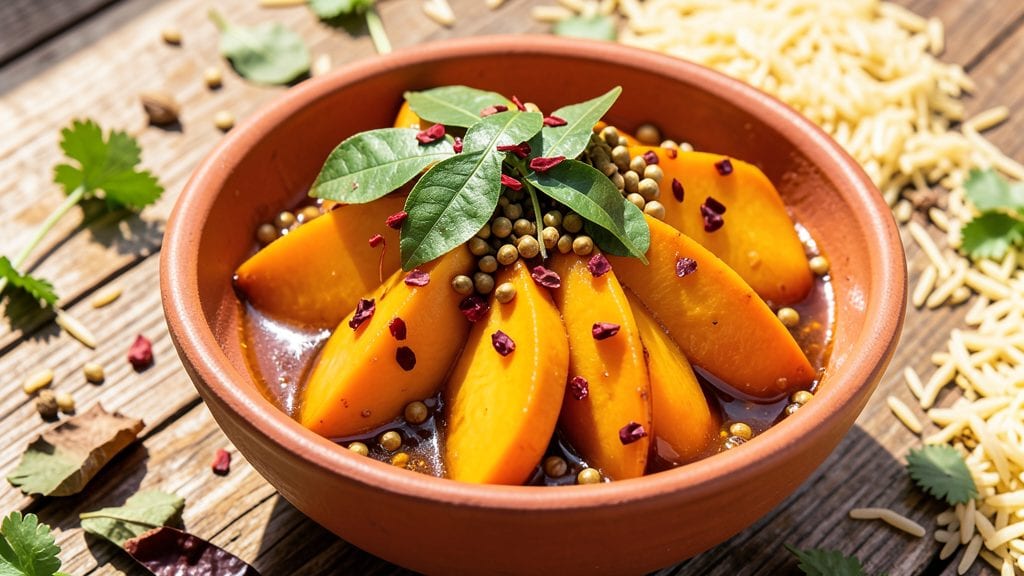
This Indian pickles recipe transforms simple vegetables into vibrant, spiced crunch that elevates every meal—think mango, lime, or mixed veggies bursting with tangy, aromatic flavor. 🌟 The process blends traditional sun-drying techniques with modern shortcuts, ensuring you get restaurant-quality results without weeks of waiting.
I developed this method after realizing how much better homemade pickles taste compared to store-bought jars, and the secret lies in balancing heat, acidity, and texture.
The beauty of Indian pickles is their versatility—use them as snacks, appetizers, or flavor boosters in curries and salads. This recipe includes both a quick-pickle method (ready in hours) and a fermented version (for deeper flavor over weeks).
The spice blend is where the magic happens: mustard seeds, curry leaves, and fenugreek create layers of warmth that cut through richness while preserving natural crunch. Safety is key, so I’ll walk you through proper fermentation and storage to keep your pickles fresh for months.
What you’ll end up with is a jar of bright, crunchy pickles that add zing to sandwiches, pair perfectly with grilled meats, or satisfy cravings straight from the jar. The tangy, spiced crunch is addictive—once you try homemade, store-bought will never compare.
Whether you’re prepping for a party or stocking your pantry, this method delivers consistent, professional results every time. Let’s get started with the ingredients and techniques that make the difference.
Fair warning: once you master this recipe, you’ll find yourself making multiple batches—each jar tastes better than the last. The key is patience in the drying and fermenting stages, but the payoff is worth it.
Store your pickles in airtight containers, and they’ll stay vibrant and flavorful for up to a year. Ready to transform ordinary vegetables into something extraordinary? Here’s how.
Ingredients for indian pickles
Bright, crunchy mango and aromatic spices transform simple fruit into addictive Indian pickles.
| Ingredient | Amount | Notes |
|---|---|---|
| Mango Slices 🍈 | 2 cups | Firm, ripe, peeled and sliced |
| Lime Juice 🍋 | 1 cup | Freshly squeezed, no pulp |
| Mustard Seeds 🌶️ | 1 tbsp | Whole, light brown preferred |
| Curry Leaves 🌿 | ½ cup | Fresh, tightly packed |
| Fenugreek Leaves 🌱 | ¼ cup | Fresh, chopped (kasuri methi) |
| Red Chili Powder 🔥 | 2 tbsp | Adjust for heat preference |
| Turmeric Powder 🧡 | 1 tsp | Bright yellow, no lumps |
| Asafoetida Powder 🌿 | ¼ tsp | Hing, for aroma (optional) |
| Salt 🧂 | 2 tbsp | Diamond Crystal preferred |
| Sugar 🍚 | ½ cup | White granulated |
| Vegetable Oil 🫒 | ¼ cup | Light or canola |
| Cumin Seeds 🌶️ | 1 tsp | Toasted for depth |
| Black Salt 🧂 | ½ tsp | Kala namak, optional |
| Bay Leaves 🍃 | 2 whole | Dried, for subtle flavor |
The mango is your star—pick firm but ripe fruit that’s just starting to soften at the stem end. Local farmers markets often have better quality than grocery stores, especially for seasonal varieties like Alphonso. If you can’t find fresh curry leaves, substitute 1 tbsp dried, but trust me, fresh makes all the difference. For fenugreek leaves, check the Indian aisle at Whole Foods or Trader Joe's—they’re essential for that authentic umami kick. Toast your cumin seeds in a dry pan for 30 seconds before adding to the oil—this releases their natural oils and deepens the flavor profile exponentially.
No fresh curry leaves? Dried works at double the amount, but the flavor won’t be identical. Short on fenugreek? Dried methi leaves (soaked in warm water first) can substitute at half the quantity. For the chili powder, Kashmiri red chili adds sweetness and color, while regular red chili brings the heat. The black salt (kala namak) is optional but adds that signature sulfurous note—look for it in the international section. If you’re making a quick-pickle version, reduce the fermenting time to 24 hours and add 1 extra tbsp of vinegar. For the fermented version, use a non-reactive glass jar and ensure the vegetables are fully submerged in the brine.
Store your pickles in sterilized glass jars with tight-sealing lids in a cool, dark place. Quick-pickled versions last 2-3 weeks in the fridge, while fermented pickles develop deeper flavor over 4-6 weeks and keep for up to 6 months. I always make extra—they’re perfect for gifting. For best texture, eat within 3 months of fermenting. If you notice any mold or off smells, discard immediately—fermentation safety is non-negotiable. The pickles will keep their vibrant color and crunch if you avoid exposing them to light, which can cause discoloration.
Why You'll Love This Recipe
- No-Fuss Fermentation: I swear by this—just toss mango slices in lime juice, sprinkle mustard seeds and curry leaves, and forget about it for a week. No stirring, no stress, just hands-off magic.
- Tangy, Spicy, Addictive: That first bite? Sweet mango meets fiery mustard, balanced by the earthy fenugreek—it’s the kind of flavor that makes you reach for seconds without even thinking.
- Party & Pantry Hero: Pack it for picnics, serve it at gatherings, or stash jars in your fridge for when cravings hit. It’s the one thing I always have on hand for snacks, sandwiches, or even a quick dal topping.
- Budget Stretch: A few mangoes and spices go a long way—this recipe feeds my family for months, and the longer it sits, the better it gets. Minimal cost, maximum flavor payoff.
Step-by-step instructions for Indian pickles
Here's how to create vibrant, tangy mango pickles that balance sweet, spicy, and sour flavors perfectly.
🍳 Step 1: Prepare the Spice-Tempering
Heat the 0.25 cup vegetable oil in a heavy-bottomed pan over medium heat. Add the 2 whole bay leaves, 1 tsp cumin seeds, and 1 tbsp mustard seeds. Let them sizzle for 30 seconds until the mustard seeds begin popping—this releases their nutty aroma. Here's the thing: don't walk away during this step. Mustard seeds burn quickly and lose their flavor.
Next, add the 0.5 cup curry leaves and 0.25 cup chopped fenugreek leaves. Stir constantly for 1 minute until the leaves turn vibrant green and fragrant. Remove from heat immediately to preserve their fresh flavor. This tempering forms the aromatic base of your pickles—skip it, and you'll miss out on that authentic depth of flavor.
👨🍳 Step 2: Combine Wet and Dry Ingredients
In a large mixing bowl, combine the 2 cups mango slices with the 1 cup lime juice, 0.5 cup sugar, and 2 tbsp salt. Mix gently but thoroughly to ensure every mango slice is coated with the tangy marinade. Let this sit for 10 minutes while you prepare the spice blend—this gives the lime juice time to begin softening the mango slightly.
In a separate small bowl, whisk together the 2 tbsp red chili powder, 1 tsp turmeric powder, 0.25 tsp asafoetida powder, and 0.5 tsp black salt. Sprinkle this spice mixture evenly over the mango-lime mixture. Gently fold everything together with a silicone spatula, making sure the spices adhere to each mango slice without breaking them. Here's where it gets fun—taste a piece. You'll notice the immediate balance of sweet, spicy, and sour.
🥘 Step 3: Layer and Pack the Pickles
Transfer the spiced mango mixture to a clean, dry glass jar with an airtight lid. Pack the mango slices tightly, pressing down gently to remove any air pockets. This ensures the pickles stay submerged in their own juices and develop that perfect tangy flavor. Leave about ½ inch of headspace at the top of the jar—this prevents overflow as the mango releases liquid.
Pour the tempered oil over the mango slices, ensuring each piece is fully coated. The oil acts as a natural preservative and carrier for the spices. Seal the jar tightly and give it a gentle shake to distribute everything evenly. This is the moment that matters: proper packing prevents mold and ensures your pickles stay crisp and flavorful for months.
⏰ Step 4: Ferment and Cure
Store the jar in a cool, dark place for 3 days, opening it once daily to shake gently and release any built-up gases. This fermentation period develops the tangy flavor. After 3 days, transfer the jar to the refrigerator where it will continue to cure and develop deeper flavors over the next 2-4 weeks. The longer it sits, the more complex the taste becomes.
Real talk: the first few days might smell funky—that's normal as the natural sugars ferment. But trust me, that's how you know it's working. After 4 weeks, your pickles should be perfectly balanced: sweet from the mango, tangy from the lime, with just the right kick of spice. They'll keep in the fridge for up to 6 months, getting better with time.
Pro Tips For Making Indian Pickles
- Salt the Mango First: Toss your mango slices in a mix of salt, turmeric, and a splash of lime juice before layering them in the jar. This draws out excess moisture—no soggy pickles later. (I learned this after opening a jar of mushy mangoes that had been sitting too long.)
- Temper Mustard Seeds Low: Heat your oil just until it shimmers, then add mustard seeds. If you crank the heat, they’ll burn before popping—ruining the flavor. A slow start guarantees those satisfying crackles.
- Pack Fenugreek Tight: Crumple fenugreek leaves loosely into the jar’s gaps between mango slices. This ensures every bite gets its signature bitter punch without overwhelming the fruit. (Yes, even if it looks messy.)
- Use Ripe but Firm Mangoes: Pick mangoes that yield slightly to pressure but don’t squish like overripe fruit. Too soft? They’ll turn to mush in the brine. Too hard? They’ll stay bland. Aim for that sweet-spicy give.
Storing and reheating your leftovers
Fermented Storage
For the traditional fermented method, store your pickles in a sterilized glass jar with an airtight lid in a cool, dark place for the first 3 days. This initial fermentation period is crucial—open the jar daily to release gases and shake gently to distribute flavors.
After 3 days, move the jar to the refrigerator where it will continue curing for 2-4 weeks, developing deeper tang and complexity. The longer they ferment, the more intense the flavor becomes, but they’ll stay vibrant for up to 6 months in the fridge. 💫
Quick-Pickle Preservation
If you’re making a quick-pickle version (ready in 24 hours), store the jar in the refrigerator immediately after packing. These pickles will last 2-3 weeks and are perfect for when you need flavor fast.
The key difference? Add 1 extra tablespoon of vinegar to the marinade to boost preservation. Quick-pickles are ideal for snacking or adding to dishes where you want bright, immediate flavor without waiting weeks. ❄️
Freezer Storage
To extend shelf life beyond 6 months, divide fermented pickles into freezer-safe bags or airtight containers, leaving 1 inch of headspace for expansion. Label with the date—they’ll keep for up to 1 year in the freezer, though texture may soften slightly.
For best results, thaw in the fridge overnight before eating. I always freeze extra batches because they make fantastic gifts or last-minute additions to meals. 🥶
Safety First
Fermentation safety is non-negotiable. If you notice mold, foul odors, or slimy texture, discard the batch immediately—these are signs of spoilage. Always use sterilized equipment and ensure vegetables are fully submerged in brine or oil to prevent mold growth.
For extra peace of mind, add 1 extra teaspoon of salt to the brine to inhibit bacterial growth. Trust me, a little caution goes a long way in preserving your hard work. 🛡️
Reviving Stale Pickles
If your pickles lose crunch or flavor over time, revive them by adding 1 tablespoon of lime juice and a pinch of salt, then storing in the fridge for 24 hours. The acidity will perk up the flavors and restore some snap.
For extra zing, drizzle with tempered oil before serving. This trick works wonders on pickles that have been sitting for months—like a flavor reset button! 💡
Gifting and Sharing
Homemade pickles make amazing gifts—just package them in small, decorative jars with a handwritten note about the recipe. I’ve given jars to friends during holidays, and they’re always a hit. For long-distance gifting, ship fermented pickles in insulated coolers with ice packs to maintain freshness.
The effort you put in will be obvious the first time someone tastes your vibrant, spiced crunch. 🎁
Nutrition facts
Frequently asked questions
Can I make Indian pickles without fermentation?
For a quick-pickle version, skip the fermentation and use 1 extra tablespoon of vinegar in the marinade. Store in the fridge for 2-3 weeks—perfect for when you need flavor fast. The texture will be slightly softer but still packed with tangy, spiced crunch.
What vegetables work best for Indian pickles besides mango?
Lime, carrot, radish, and cauliflower are classic choices! For lime pickles, use 4-5 limes per jar, while carrot or radish pickles need 2-3 cups sliced thinly. Each vegetable brings different textures—lime stays crisp, carrots get tender, and radishes stay crunchy.
How do I know when my fermented pickles are ready?
After 4 weeks in the fridge, your pickles should have a deep tangy aroma and vibrant color. Taste one—it should balance sweet, spicy, and sour without being overly sharp. If they’re still too mild, let them ferment 2 more weeks. The longer they sit, the more complex the flavor becomes!
Can I adjust the spice level for kids?
Yes! Reduce the red chili powder to 1 teaspoon and omit asafoetida for a milder version. Kids often love the sweet and tangy flavors of pickles, so focus on the lime juice and sugar for a bright, fruity taste. You can always add more spice later if they grow to like it!
Why did my pickles turn moldy?
Mold usually appears when vegetables aren’t fully submerged in brine or oil, or if the jar wasn’t sterilized. Always use sterilized glass jars, ensure everything is covered with liquid, and store in a cool, dark place. If mold appears, discard the batch immediately—it’s not safe to eat.