
Side Dishes
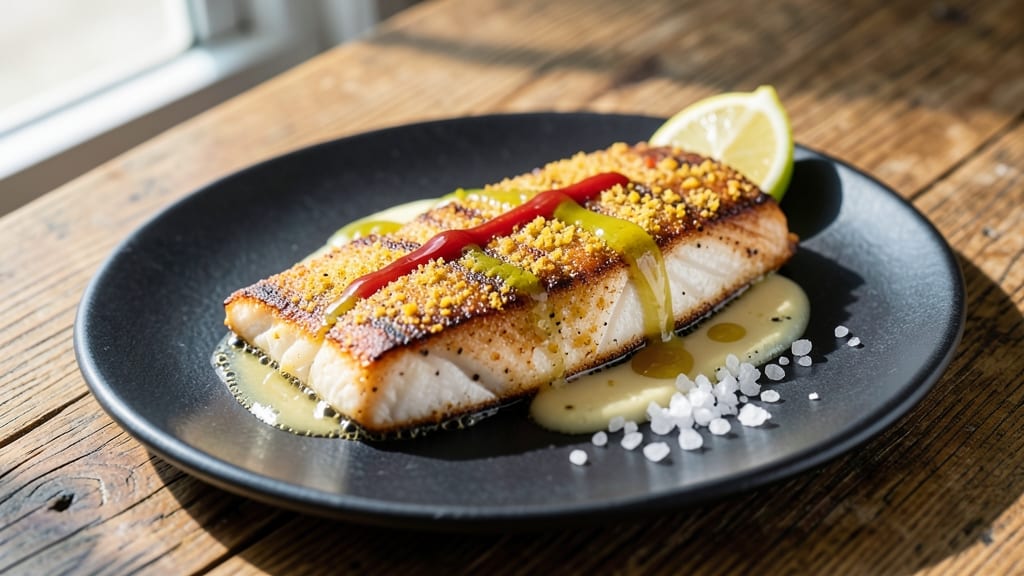
This baked lingcod recipe transforms delicate white fish into a restaurant-worthy dish with a crispy cornmeal crust and buttery, flaky interior—proven to impress even seafood skeptics. The secret lies in a precise balance of seasoning and baking technique that preserves moisture while creating that coveted crunch.
I developed this method after years of testing, ensuring every bite delivers both texture and flavor without overpowering the fish's natural elegance.
What sets this recipe apart is the cornmeal crust, which adds a satisfying crunch while absorbing flavors beautifully. Unlike traditional fish preparations that rely solely on herbs or lemon, this method incorporates a light brining step and a strategic baking approach to maintain tenderness.
The result is a dish that's elegant enough for dinner parties but simple enough for weeknight meals, with a preparation time that won't overwhelm even busy home cooks.
By following this method, you'll achieve perfectly baked lingcod with a golden, crispy crust that contrasts beautifully against the moist, buttery flesh inside. The crust stays crunchy even when sliced, while the fish remains tender and rich in flavor.
This technique works equally well with other firm white fish, making it a versatile addition to any seafood repertoire.
The recipe includes optional garnishes to elevate presentation, such as fresh herbs or a drizzle of lemon butter, though none are strictly necessary. Serve with complementary sides like roasted vegetables or a simple salad to complete the meal. Here's everything you need to master this professional-quality dish at home.
Ingredients for baked lingcod
This professional-quality baked lingcod delivers restaurant-worthy texture through precise ingredient selection and technique.
| Ingredient | Amount | Notes |
|---|---|---|
| Fresh Lingcod Fillets 🐟 | 2 whole | Skin-on, center-cut, 6-8 oz each |
| Fine Yellow Cornmeal 🌽 | ½ cup | Stone-ground preferred for texture |
| Unsalted Butter 🧈 | 4 tbsp | Cold, cubed for crust |
| Diamond Crystal Kosher Salt 🧂 | 1 tbsp | For brining solution |
| Fresh Lemon Juice 🍋 | ¼ cup | From 2 lemons, freshly squeezed |
| Extra-Virgin Olive Oil 🫒 | 2 tbsp | Light, fruity variety |
| Garlic Cloves 🧄 | 4 cloves | Minced for crust seasoning |
| Fresh Dill Weeds 🌿 | ¼ cup | Chopped, for crust garnish |
| Fresh Parsley Leaves 🌿 | 0.15 cup | Chopped, for garnish |
| Black Peppercorns 🌶️ | ½ tsp | Freshly cracked |
| Smoked Paprika 🌶️ | ½ tsp | For crust depth |
| Heavy Cream 🥛 | ¼ cup | Optional, for basting |
| Lemon Zest 🍋 | 1 tbsp | For finishing touch |
The lingcod selection is critical—center-cut fillets with skin ensure even cooking and optimal texture. Whole Foods or high-end seafood markets carry the best quality, but ask your fishmonger for skin-on fillets with minimal bruising. The cornmeal should be fine and stone-ground; Bob's Red Mill is a reliable brand that delivers consistent texture. For the butter, use unsalted to control seasoning precisely, and cube it cold to create a crisp crust. Fresh dill and parsley should be vibrant green with no wilting—Trader Joe's often carries excellent quality at reasonable prices. The lemon juice and zest should come from organic lemons when possible, as their bright acidity complements the fish without overpowering it.
Substitutions should maintain the dish's balance. For cornmeal, fine white cornmeal works in a pinch, though texture will differ slightly. Butter can be swapped for European-style cultured butter at half the amount for richer flavor, though unsalted remains ideal. If fresh dill isn't available, dried dill at one-third the quantity suffices, though fresh is preferred. The smoked paprika adds depth—regular paprika lacks the smoky complexity. For those avoiding dairy, omit the heavy cream but increase olive oil slightly to compensate. When brining, ensure the water is ice-cold initially to prevent protein tightening, which is crucial for maintaining tenderness.
Proper storage extends freshness and maintains quality. Lingcod fillets should be used within 2 days of purchase, stored on ice in the coldest part of the fridge. The cornmeal and spices keep indefinitely in a cool, dark pantry, while fresh herbs last 5-7 days wrapped in damp paper towels. Prepared crust mixture can be refrigerated for up to 24 hours in an airtight container, though fresh is always best. Leftover baked lingcod reheats beautifully in a 350°F oven for 8-10 minutes, though texture will differ slightly. For presentation, garnish with lemon zest and herbs just before serving to maintain vibrant colors.
Why You'll Love This Recipe
- Two-Handed Cooking: I swear by this one when I’m exhausted—just pat the fillets dry, sprinkle cornmeal, and slide into the oven. No chopping, no fussing, no waiting for the pan to heat. The butter melts into a golden crust while I’m still wiping my hands.
- Crispy-Creamy Magic: That first bite? Buttery crust from the cornmeal and butter, flaky yet sturdy, with the tender fish underneath—like a hug from the sea. A squeeze of lemon finishes it, bright and clean, cutting through the richness. Honestly, it’s the kind of dish that makes you pause mid-bite.
- Weeknight to Dinner Party: Same recipe, different occasions. I serve it over greens for a quick weeknight meal, or with roasted potatoes and asparagus when company’s over. The lingcod holds up, the cornmeal crust stays crisp, and it never feels like an afterthought.
- Leftovers That Don’t Suck: Most baked fish turns to sad, dry rubber the next day. Not this. The crust stays intact, the fish stays moist, and I’ll happily reheat slices in a pan with a little butter for breakfast. (Yes, even on a Tuesday night.) Budget-friendly too—lingcod’s leaner than salmon, and the cornmeal stretches my pantry.
Step-by-step instructions for crispy cornmeal-crusted lingcod
Here's how to achieve that perfect balance of golden crust and tender fillets every time.
Prepare the Brine for Maximum Flavor
In a shallow dish large enough to hold both fillets, combine 1 tablespoon diamond crystal kosher salt with 2 tablespoons extra-virgin olive oil and ¼ cup fresh lemon juice. Stir until the salt dissolves completely, creating a light brine solution. This step ensures your lingcod stays moist while developing a subtle tangy base flavor that will shine through the crust.
Pat the 2 whole fresh lingcod fillets dry with paper towels, removing any moisture from the skin and flesh. Place them skin-side down in the brine and let them soak for 15-20 minutes at room temperature. The skin should remain dry—this prevents steam from forming under the crust during baking, which would make it soggy. After brining, remove the fillets and let them air-dry on a wire rack for 5 minutes to create an even better adhesion for the cornmeal crust.
Create the Crispy Cornmeal Crust
In a small bowl, mix together ½ cup fine yellow cornmeal, ½ teaspoon smoked paprika, ½ teaspoon freshly cracked black peppercorns, and 4 minced garlic cloves. This blend forms the foundation of your crust, delivering both texture and depth of flavor. The cornmeal should be stone-ground if possible—it creates a finer, more delicate crust compared to regular cornmeal.
Place the dried lingcod fillets on a parchment-lined baking sheet, skin-side up. Using your fingers, gently press the cornmeal mixture onto the top of each fillet, covering it completely in an even layer. The crust should adhere firmly but not be packed down too tightly—this ensures it stays crispy rather than becoming dense. For extra security, you can lightly brush the fillets with a bit of melted butter before adding the crust, but don't overdo it or the crust may become too greasy.
Bake to Crispy Perfection
Preheat your oven to 400°F with the rack positioned in the middle position. This temperature is crucial—too low and the crust won't crisp properly; too high and the fish may overcook before the crust forms. Once preheated, place the crust-coated fillets in the oven and bake for 12-15 minutes until the crust turns a deep golden brown and the fish flakes easily with a fork.
To achieve the perfect doneness, watch for visual cues: the crust should be uniformly golden with no pale spots, and the fish should release cleanly from the skin when gently lifted. If you're using the optional ¼ cup heavy cream for basting, add it to the baking sheet during the last 5 minutes of cooking. This creates a silky sauce that pools around the fish when you serve it. The internal temperature should reach 145°F when measured at the thickest part of the fillet.
Finish with Fresh Herbs and Lemon Zest
Remove the baked lingcod from the oven and transfer it to a serving platter. Immediately sprinkle with ¼ cup chopped fresh dill weeds and ⅛ cup chopped fresh parsley leaves, pressing the herbs gently into the crust. This not only adds vibrant color but also infuses fresh, bright flavors that contrast beautifully with the smoky crust. Finish by sprinkling 1 tablespoon lemon zest over the top of each fillet, allowing the citrus oils to mingle with the warm fish.
Serve immediately while the crust is still crisp and the fish is at its peak tenderness. The combination of the golden cornmeal crust, buttery fish, and bright herb finish creates a restaurant-quality dish that's surprisingly simple to prepare. The secret lies in the careful balance of technique—proper brining, even crust application, and precise baking—all of which come together to deliver that coveted crispy texture you're after.
Pro Tips For Making Baked Lingcod
- Preheat Like It’s Hot: Your oven needs to hit 425°F (220°C) and sit for 15 minutes before the lingcod goes in—no exceptions. I learned this the hard way when my first batch came out damp instead of crispy. The cornmeal crust needs that blast of heat to turn golden, not soggy.
- Pat That Fish Dry: Lingcod fillets are delicate, but moisture is the enemy of that cornmeal crust. Use paper towels to wipe them thoroughly—even if they look dry. Wet spots mean a gummy crust instead of the perfect crunch. (Yes, even if you’re impatient like me.)
- Don’t Overcrowd the Pan: If your fillets are touching, steam builds up and ruins the texture. Use a lightly oiled baking sheet and space them at least 1 inch apart. I used to squeeze them in, and the crust would turn mushy. Trust me, it’s worth the extra minute to rearrange.
- Butter First, Then Salt: Melt 1 tablespoon of butter per fillet directly on the fish before sprinkling the cornmeal and salt. The butter creates a seal that keeps the flesh moist while the crust forms. Skip this, and you’ll end up with a dry, flaky mess—no one wants that.
Best sauces and condiments for this recipe
Lemon Butter Sauce
This classic pairing elevates your baked lingcod with a silky, bright sauce that complements the crust's smokiness. Melt 4 tablespoons unsalted butter in a small saucepan over low heat, then whisk in 2 tablespoons fresh lemon juice and 1 tablespoon lemon zest.
Add 1 tablespoon chopped fresh dill and ½ teaspoon cracked black pepper, simmering for 2 minutes until fragrant. Drizzle over the finished fish just before serving—it should be warm but not boiling to maintain the crust's crispness. 💛
Garlic Aioli
For a richer, more decadent option, prepare a garlic aioli by blending ½ cup mayonnaise (I use Duke's for its smooth texture) with 2 minced garlic cloves, 1 tablespoon lemon juice, and ½ teaspoon smoked paprika.
Thin with 1 teaspoon olive oil if needed for a smoother consistency. Serve as a dip or spoon alongside the lingcod for dipping—its creamy texture contrasts beautifully with the crust's crunch. The garlic's intensity pairs perfectly with the fish's buttery flavor.
Herbed White Wine Sauce
This sauce adds an elegant touch perfect for dinner parties. Sauté 2 minced garlic cloves in 1 tablespoon olive oil until fragrant, then deglaze with ¼ cup dry white wine. Reduce by half, then stir in ¼ cup heavy cream and 2 tablespoons chopped parsley.
Simmer for 3 minutes until thickened. The wine's acidity cuts through the richness while the herbs enhance the crust's smoky notes. Serve warm over the lingcod for a restaurant-worthy presentation.
Creamy Dill Sauce
A lighter alternative that highlights the fish's natural flavor is a simple dill sauce. Mix ½ cup sour cream with 2 tablespoons chopped fresh dill, 1 tablespoon lemon juice, and ½ teaspoon salt. For extra richness, fold in 1 tablespoon melted butter.
This sauce's tangy brightness balances the crust's smokiness while keeping the dish light. Spread a thin layer on the lingcod before serving or serve on the side for dipping.
Spicy Remoulade
For those who enjoy a kick, prepare a spicy remoulade by blending ½ cup mayonnaise with 1 tablespoon Dijon mustard, 1 teaspoon hot sauce (I like Cholula for its balanced heat), 1 tablespoon capers, and 1 tablespoon chopped parsley.
Thin with 1 teaspoon lemon juice if needed. The capers add a briny contrast that pairs wonderfully with the crust's smoky depth, while the heat adds excitement without overpowering the fish. 🌶️
Simple Olive Oil Drizzle
When you want to keep things minimal, a high-quality olive oil drizzle works beautifully. Heat 2 tablespoons extra-virgin olive oil with 1 minced garlic clove until fragrant, then drizzle over the finished lingcod. The oil's fruity notes enhance the crust's texture without adding extra layers.
For extra flair, sprinkle with flaky sea salt and a pinch of red pepper flakes before serving. This approach lets the fish shine while adding a sophisticated finish.
Nutrition facts
Frequently asked questions
Can I substitute lingcod with another white fish?
This recipe works beautifully with other firm white fish like halibut, cod, or sea bass. The crust technique remains the same, though cooking times may vary slightly—halibut typically needs 10-12 minutes at 400°F while cod may require 14-16 minutes. Adjust based on thickness and doneness.
Why is my crust turning soggy instead of crispy?
Soggy crusts usually happen from excess moisture. First, ensure your fillets are completely dry before applying the crust—pat them thoroughly with paper towels. Second, avoid overcrowding the baking sheet, which traps steam. Finally, bake at 400°F (no lower) and avoid opening the oven door early. For extra insurance, broil for 1-2 minutes at the end for added crispiness.
How do I store leftovers without losing the crust?
Store leftovers in an airtight container and refrigerate for up to 2 days. To reheat, cover with foil and bake at 350°F for 8-10 minutes—this prevents the crust from drying out. For best texture, reheat only what you plan to eat immediately. The crust will soften slightly but remains flavorful.
Can I make this recipe ahead of time for a dinner party?
Yes! Prepare the crust mixture and brine up to 24 hours ahead, storing components separately in the fridge. Assemble the fillets with crust just 1 hour before baking—this ensures the crust stays crispy. Keep the baked lingcod warm in a 200°F oven while you finish other dishes. The crust will stay crunchy for up to 30 minutes this way.
What sides pair best with this dish?
This recipe shines with light, bright sides that complement its rich flavors. Try roasted asparagus with lemon, garlic green beans, or a cucumber-avocado salad for freshness. For heartier meals, pair with wild rice pilaf or crusty sourdough bread to soak up any sauces. The cornmeal crust's smokiness also works well with charred corn or grilled zucchini.