Main Courses
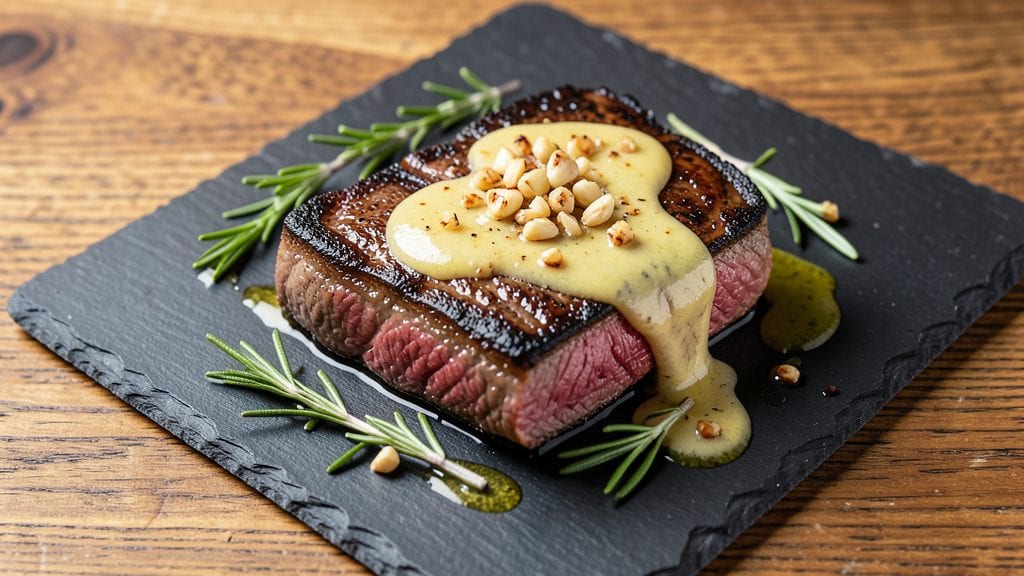
Mastering a basic steak recipe transforms weeknight dinners from ordinary to extraordinary with just 15 minutes of focused effort. The secret lies in simple preparation—proper seasoning, precise pan-searing, and understanding when to rest the meat for that perfect balance of tenderness and flavor.
I’ve refined this method over countless kitchen experiments, and it consistently delivers results that rival restaurant-quality steaks.
This recipe focuses on achieving juicy perfection with minimal ingredients: a high-quality cut, salt, pepper, and butter. The key technique involves searing the steak at high heat to create a flavorful crust while keeping the interior tender.
Whether you prefer ribeye, sirloin, or New York strip, this method adapts effortlessly to any steak cut, making it versatile for any occasion.
By following these steps, you’ll end up with a steak that’s golden-brown on the outside and perfectly cooked through the center—no guesswork required. The butter basting adds richness, while the resting period ensures all the juices stay locked inside.
This is the kind of simple yet impressive dish that makes you feel like a professional chef without needing fancy equipment.
Pair your steak with classic sides like roasted potatoes, a fresh salad, or grilled vegetables for a complete meal. The beauty of this recipe is its adaptability—scale it up for a dinner party or keep it intimate for a cozy night in. Let’s get started on creating your perfect steak.
Ingredients for basic steak
Four essential ingredients transform a simple steak into restaurant-quality perfection in minutes.
| Ingredient | Amount | Notes |
|---|---|---|
| Ribeye Steak (or Sirloin/New York Strip) 🥩 | 1 ½ lb | Center-cut, 1-1.5 inches thick |
| Kosher Salt (Diamond Crystal preferred) 🧂 | 1 ½ tsp | Coarse grain for better adhesion |
| Freshly Ground Black Pepper 🌶️ | 1 tsp | Cracked peppercorns preferred |
| Unsalted Butter 🧈 | 2 tbsp | European-style preferred, cold |
| Garlic Cloves 🧄 | 2 cloves | Minced, for butter basting |
| Extra-Virgin Olive Oil 🫒 | 2 tbsp | High smoke point preferred |
| Fresh Rosemary Sprigs 🌿 | 2 sprigs | For aroma infusion (optional) |
The steak cut determines your experience. Ribeye delivers marbled richness, while sirloin offers leaner elegance—both excel with this method. Source from a trusted butcher or Whole Foods meat counter for optimal quality; look for vibrant color and firm texture. The thickness matters—1-1.5 inches ensures even cooking. Pat dry before seasoning to maximize crust formation. For best results, bring the steak to room temperature 30 minutes before cooking, ensuring even searing.
Salt and pepper are non-negotiable. Diamond Crystal kosher salt adheres better than table salt, creating a flavorful crust. Freshly cracked peppercorns release more aroma than pre-ground. Substitute smoked paprika (1/4 tsp)** for a subtle smoky note if desired. The butter and olive oil combo creates a dual-crust effect—European-style unsalted butter adds richness without overpowering. For garlic lovers, roast the cloves first** to mellow their intensity. Rosemary sprigs infuse aroma without overpowering; omit if you prefer a classic profile.
Steaks sear best at high heat—preheat your pan until it smokes slightly. Reheat butter between uses to maintain flavor. Rest the steaks for 5-10 minutes post-cooking to redistribute juices. Store leftovers in an airtight container for 3-4 days in the fridge, though reheating may compromise texture. For long-term storage, vacuum-seal portions and freeze for up to 3 months. Reheat gently in a skillet to revive the crust.
Why You'll Love This Recipe
- Pan So Simple: I swear by this—just one skillet, no fancy gadgets. Toss the steak in salt and pepper, sear it until golden, then baste with butter and garlic. That’s it. No small print, no stress.
- Butter-Garlic Magic: The moment that butter hits the hot pan and sizzles—chef’s kiss. The garlic cloves soften just enough to melt into the crust, turning a simple steak into something dangerously addictive. My kids don’t even know it’s “fancy.”
- Weeknight to Date Night: Same five ingredients, different vibes. Toss it together for a lazy Tuesday or dress it up with roasted potatoes and a glass of wine for a Friday night in. It’s my secret weapon for “I’ll order takeout” moments.
- Leftovers? No Problem: Overcooked steak? Not here. Slice the leftovers thin, toss with a little butter and garlic, and you’ve got a killer sandwich or stir-fry. Honestly, I make double portions just for this reason—it’s that reliable.
Step-by-step instructions for pan-seared steak
Master this technique and you'll achieve a perfectly seared crust with tender, juicy meat every time—no overcooking, no guesswork.
Prepare the Steak for Optimal Cooking
Remove the ribeye steak from the refrigerator and let it sit at room temperature for 30 minutes. This ensures even cooking throughout the thickest part of the cut. Pat the steak dry completely with paper towels—moisture prevents proper searing and creates steam instead of a crust.
Season both sides generously with 1.5 teaspoons kosher salt and 1 teaspoon freshly ground black pepper. Press the seasoning firmly into the meat so it adheres well. The salt not only seasons but also helps tenderize the meat as it cooks. For extra aroma, gently rub the 2 sprigs fresh rosemary over the surface, focusing on the fat cap and edges.
Preheat the Pan and Oil for Maximum Sear
Heat a 12-inch cast-iron skillet over medium-high heat until it's screaming hot—you should see a slight shimmer of smoke when you place the back of your hand near it (about 2-3 inches away). Add 2 tablespoons extra-virgin olive oil and let it get fully heated for 2-3 minutes. The oil should be shimmering but not smoking excessively—this is the sweet spot for creating a deep, flavorful crust.
While the pan heats, mince the 2 cloves garlic and set aside. The butter will come later—adding it too early can cause it to burn before the steak is ready. If you're using a gas stove, adjust the flame to medium-high; electric stoves may require slightly lower heat to achieve the same temperature.
Sear the Steak with Precision Timing
Place the steak in the hot pan and press down gently with a spatula for 10 seconds—this ensures full contact with the surface. Let it sear undisturbed for 2-3 minutes until a deep brown crust forms. You'll see the edges begin to curl slightly—that's your signal that the crust is developing properly. Flip the steak and repeat on the second side for another 2-3 minutes.
For medium-rare doneness (the ideal target for this cut), aim for an internal temperature of 130-135°F. Use a meat thermometer inserted into the thickest part of the steak to check—don't rely solely on time, as steak thickness and room temperature can vary. If you don't have a thermometer, use the finger test: press your finger against your palm at different points to gauge firmness when the steak is done.
Baste with Garlic Butter for Rich Flavor
Reduce the heat to medium and add the 2 tablespoons cold unsalted butter to the pan. Tilt the skillet slightly and spoon the melted butter over the steak for 30-45 seconds, basting both sides. Add the minced garlic and let it sizzle for 10-15 seconds—this infuses the butter with aroma without burning. The butter should foam and turn golden, creating a glossy finish on the steak.
This basting step is what transforms a good steak into an exceptional one. The butter adds richness while the garlic imparts a subtle, aromatic depth. If the butter starts to brown too quickly, remove the pan from heat for a few seconds to let it cool slightly.
Rest and Serve for Maximum Juiciness
Transfer the steak to a cutting board and let it rest for 5-10 minutes before slicing. This resting period allows the juices to redistribute throughout the meat, preventing them from pooling on the surface and running out when you cut. Tent loosely with aluminum foil to keep it warm during this time.
Slice the steak against the grain into ½-inch thick pieces for maximum tenderness. Serve immediately with the pan juices spooned over the top—these contain concentrated flavor from the searing process. The crust should be deep mahogany brown, the interior should be pink with a hint of red at the center (for medium-rare), and each bite should be juicy with a perfect balance of tenderness and chew.
Pro Tips For Making Basic Steak
- CRANK THE HEAT FIRST: I learned this the hard way—starting with medium-high heat means you’ll end up with a steak that’s gray around the edges and overcooked inside. Get that pan screaming hot (it should shimmer when you add oil) before the steak hits the metal. That’s when you’ll get that perfect crust in under a minute.
- SALT THE STEAK 40 MINUTES EARLY: Diamond Crystal kosher salt is less dense, so don’t eyeball it—use about 1 teaspoon per pound of steak, all over, including the fat cap. Do this before you even think about cooking. It seasons deeper and prevents a salty crust from forming during searing.
- STOP POKING THE STEAK: I know you want to check if it’s done, but every time you move it, you’re tearing the crust and letting all the juices escape. After the first 2 minutes per side, leave it alone unless you’re flipping. Use a meat thermometer instead—it’s faster and less destructive.
- GARLIC BUTTER SHOULD MELT, NOT BURN: After searing, take the steak out and reduce the heat to medium-low. Add 2 tablespoons of cold unsalted butter and 2 smashed garlic cloves, then tilt the pan to baste the steak for 30 seconds. If the butter browns too fast, you’re cooking it instead of melting it—this is where flavor disappears.
Serving suggestions for this dish
Classic Steakhouse Plating
Serve your steak on a white porcelain plate (like Corelle) to highlight the rich mahogany crust. Place the steak slightly off-center to create visual interest, then fan the pan juices around it using a spoon.
Garnish with a sprig of fresh rosemary and a few crispy fried shallots for an elegant touch. The contrast of white plate against the steak's deep color makes it look like a restaurant-worthy dish. 💫
Bread Basket Essentials
No steak dinner is complete without warm bread. I recommend crusty sourdough or brioche rolls from Panisserie—their buttery texture soaks up the pan juices beautifully. Serve with a side of compound butter (mix softened butter with minced garlic, parsley, and a pinch of salt) for dipping.
The bread not only adds texture but also helps cleanse the palate between bites.
Vegetable Pairings
Roasted asparagus with lemon zest is my go-to side—toss 1 bunch asparagus with 2 tbsp olive oil, ½ tsp salt, and zest of 1 lemon, then roast at 425°F for 12 minutes. The bright acidity cuts through the richness of the steak.
For a heartier option, try creamy mashed potatoes with roasted garlic—just mash 2 lbs Yukon Gold potatoes with 4 tbsp butter, ½ cup warm milk, and 2 roasted garlic cloves.
Sauce Alternatives
While the garlic butter basting is delicious, you can elevate your steak with additional sauces. A classic béarnaise sauce (made with egg yolks, white wine vinegar, and tarragon) adds a tangy, buttery richness.
For something lighter, try a chimichurri—blend 1 cup parsley, 4 cloves garlic, 2 tbsp red wine vinegar, and ½ cup olive oil—it brightens the plate with its herby freshness. Serve sauces on the side for dipping.
Wine Pairing Perfection
A bold Cabernet Sauvignon (like Caymus Vineyards) complements the steak's richness with its dark fruit and tannins. For a lighter option, a Pinot Noir (such as Meiomi) offers red fruit notes that won't overpower the dish.
Serve the wine slightly chilled (60-65°F) to enhance its aromas. Avoid heavy, oaky wines—they can clash with the steak's natural flavors. 🍷
Family-Style Serving
For a shared dining experience, place the steak on a large slate board with a few sides arranged around it. Use small bowls for sauces and a cast-iron skillet for the pan juices. Add wooden serving utensils** for a rustic touch.
This setup encourages everyone to try everything and makes the meal feel special. It’s perfect for gatherings where you want to keep the focus on the steak while still offering variety. 🍽️
Nutrition facts
Frequently asked questions
What's the best cut of steak for beginners?
Start with a 1.5-inch thick ribeye or New York strip—they're forgiving with their marbling and flavor. Avoid lean cuts like sirloin for your first try, as they're harder to keep juicy. Look for vibrant color and firm texture when buying from a trusted butcher.
Why does my steak turn out dry?
Overcooking is the #1 culprit! Use a meat thermometer to hit 130-135°F for medium-rare, and always let it rest for 5-10 minutes before slicing. Cutting too soon lets juices escape. Also, avoid thin cuts—they dry out faster.
Can I cook this steak on the grill instead?
Preheat your grill to medium-high (400-450°F) and oil the grates well. Sear for 3-4 minutes per side for 1.5-inch steaks, then move to indirect heat to finish. The same resting rule applies—don't skip it!
How do I adjust for thicker/thinner steaks?
Thicker cuts (2+ inches) need 4-5 minutes per side for medium-rare, while thinner (1 inch) should cook 2-3 minutes total. Always use the thermometer—time varies wildly between cuts. For extra insurance, add 30 seconds per side for each ¼-inch thickness.
What if I don't have garlic butter?
No problem! Just use 2 tbsp olive oil instead—it still creates a great crust. For flavor, add 1 tsp smoked paprika or ½ tsp onion powder to the seasoning. The butter adds richness, but the technique works perfectly without it.