
Main Courses
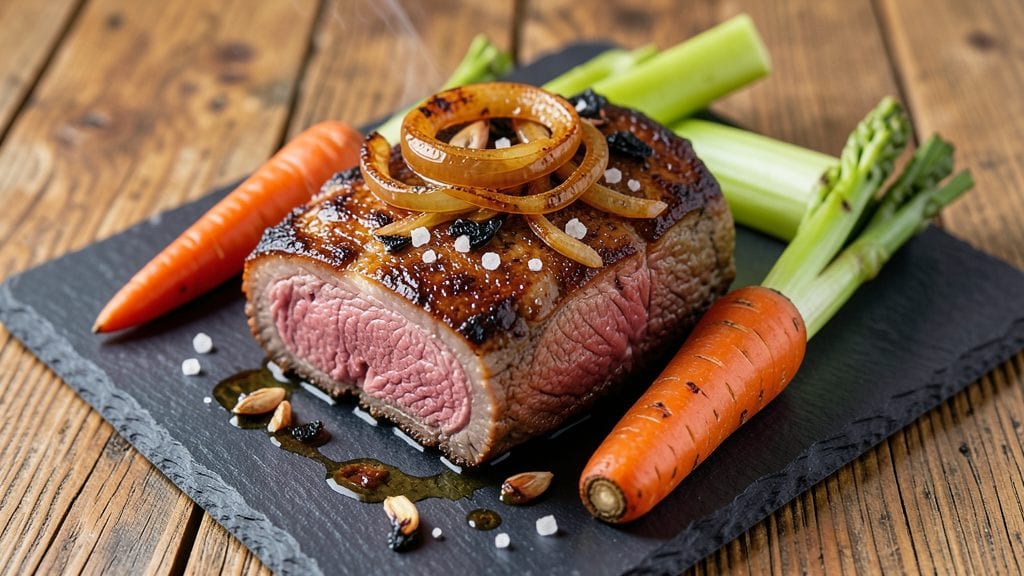
Transforming a tough cut like beef shoulder clod into melt-in-your-mouth shreds is where slow cooking truly shines—this method unlocks flavors you won’t find in faster preparations. The key lies in patience: letting collagen break down over hours until the meat falls apart at the touch of a fork.
I’ve perfected this technique through years of testing, and the results are worth every minute of wait time.
This recipe focuses on a foolproof slow-braising approach that delivers tender, juicy beef with a rich, caramelized crust. You’ll start with a simple seasoning blend—just salt, pepper, and garlic—then sear the meat to lock in flavors before transferring it to a pot or slow cooker.
The 3-4 hour cook time ensures the beef becomes so tender it practically shreds itself, making it ideal for sandwiches, tacos, or serving over mashed potatoes.
The beauty of this dish is its versatility—use it in your favorite barbecue recipes, stuff it into buns for pulled beef sandwiches, or serve it as a centerpiece for family dinners.
The slow-braising method creates a deeply flavorful broth that can be reduced into a sauce, adding extra richness to every bite. With minimal effort and maximum reward, this beef shoulder clod recipe proves that slow cooking is the ultimate way to elevate a simple cut of meat.
Whether you’re preparing for a crowd or meal prepping for the week, this method ensures you’ll have perfectly tender beef ready to serve. The technique is simple but effective—no fancy equipment required, just time and attention.
Let’s get started on creating a dish that will impress even the most discerning guests.
Ingredients for beef shoulder clod
Six ingredients transform tough beef into melt-in-your-mouth shreds—just time and patience.
| Ingredient | Amount | Notes |
|---|---|---|
| Beef Shoulder Clod 🥩 | 4 lb | Bone-in preferred for flavor |
| Yellow Onion 🧅 | 2 whole | Chopped into large chunks |
| Carrots 🥕 | 4 whole | Cut into 2-inch chunks |
| Celery Stalks 🥬 | 4 whole | Cut into 2-inch pieces |
| Garlic Cloves 🧄 | 6 cloves | Smashed for deeper flavor |
| Kosher Salt 🧂 | 2 tbsp | Adjust to taste |
| Freshly Ground Black Pepper 🌶️ | 1 tbsp | Freshly cracked preferred |
| Beef Broth 💧 | 4 cups | Low-sodium preferred |
| Tomato Paste 🍅 | ½ cup | Squeeze tube or canned |
| Dry Red Wine 🍷 | 1 cup | Cabernet Sauvignon works best |
| Fresh Thyme Leaves 🌿 | ¼ cup | Or 1 tbsp dried thyme |
| Fresh Bay Leaves 🌿 | 2 whole | Remove before serving |
| Extra-Virgin Olive Oil 🫒 | 2 tbsp | For searing meat |
The beef shoulder clod is the star here, so don’t skimp on quality. Costco or local butchers often have the best cuts at reasonable prices. Look for good marbling—those little white flecks of fat are what make the meat tender. If you're buying a whole shoulder, ask the butcher to cut it into 4-pound chunks for even cooking. The bone-in version adds extra flavor, but boneless works too if you're short on time. For the broth, store-bought low-sodium is fine, but homemade beef broth (even from scraps) takes this to the next level.
No red wine? Extra beef broth with a splash of balsamic vinegar works just as well. Fresh thyme is ideal, but dried thyme at one-third the amount gets you close. The tomato paste can be the squeeze-tube kind from Trader Joe's—it’s convenient and keeps forever. For the vegetables, baby carrots or pre-cut celery from the store save time, but whole veggies work just as well. The key is cutting them into even-sized chunks so they cook at the same rate as the beef. If you’re in a hurry, frozen veggies (no need to thaw) work perfectly fine too.
This dish tastes even better the next day, so make extra if you can. Store leftovers in the fridge for 5-6 days or freeze for up to 3 months. I like to portion it into containers for easy lunches—just reheat with a splash of broth or water. The broth can be reduced into a sauce by simmering it uncovered for 10-15 minutes. If you’re prepping for a crowd, double the recipe—it’s worth the effort.
Why You'll Love This Recipe
- One-Pot Magic: I swear by this—just toss everything (onion, carrots, celery, garlic) into the same pot as the beef, add water, and let it do its thing. No extra bowls, no mess, no stress. That’s my kind of cooking.
- Deep, Savory Richness: The beef shoulder clod turns insanely tender, almost falling apart, while the carrots and celery soften into the broth. Honestly, the slow-cooked garlic and onion base? It’s like a warm hug in a bowl—simple but ridiculously satisfying.
- Lunchbox Hero: Between us, this is my go-to for meal prep. Shred the beef, mix it into wraps or sandwiches, or pack it straight into containers with rice. My kids grab it for school lunches, and my husband takes it to work—no complaints, just empty containers.
- Budget Stretch: A single beef shoulder clod feeds my family for days—breakfast tacos, pasta, soups, you name it. I’m talking $15 for five meals, and the leftovers? Even better the next day because the flavors meld into pure comfort. (Yes, even on a Tuesday night.)
Step-by-step instructions for slow-braised beef shoulder clod
Here's how to transform a tough cut into melt-in-your-mouth shreds with rich, caramelized flavors.
Sear the Beef Shoulder Clod for Deep Flavor
Heat a large Dutch oven over medium-high heat until it's smoking hot. Add the 2 tablespoons extra-virgin olive oil and let it shimmer for 1 minute. Place the 4 lb beef shoulder clod fat-side down in the pan and press gently with a spatula to ensure full contact.
Sear for 8-10 minutes until the fat renders and the meat develops a deep golden-brown crust on all sides. Flip the beef and repeat on the other side. This step creates the Maillard reaction that builds the foundation for your braise. Don't rush this—you want that crust to form before adding liquids.
Build the Flavor Base with Vegetables and Wine
Remove the seared beef from the Dutch oven and set it aside. In the same pot, add 2 chopped whole yellow onion, 4 cut carrots, and 4 cut celery stalks. Cook for 5-6 minutes until the vegetables begin to soften and the onions turn translucent.
Add the 6 smashed garlic cloves and cook for another 30 seconds until fragrant. Pour in the 1 cup dry red wine and scrape up all the browned bits from the bottom of the pot with a wooden spoon. This deglazing step captures all the flavor you worked so hard to create. Let the wine reduce by half, about 3-4 minutes.
Layer in Aromatics and Braising Liquid
Return the beef to the Dutch oven. Stir in the 0.5 cup tomato paste, 2 tablespoons kosher salt, 1 tablespoon freshly ground black pepper, 0.25 cup fresh thyme leaves, and 2 whole fresh bay leaves. Pour in the 4 cups beef broth, making sure the liquid reaches about halfway up the beef.
Bring the mixture to a gentle simmer, then reduce heat to low. The liquid should bubble softly—if it's boiling vigorously, you're losing moisture and flavor. Cover the pot with a tight-fitting lid and let it cook for 3 hours without disturbing it. This initial cooking phase breaks down the tough connective tissue.
Finish the Braise for Fork-Tender Perfection
After 3 hours, check the beef with a fork. It should be tender but still have some resistance. If it's not quite there, continue cooking for another 30-60 minutes. The beef is done when it easily shreds with a fork and pulls apart cleanly.
Once tender, remove the beef from the pot and set it aside on a cutting board. Skim any excess fat from the braising liquid and adjust the seasoning if needed. Let the beef rest for 10 minutes before shredding it with two forks. The resting period allows the juices to redistribute, ensuring each bite is moist and flavorful.
Serve with Rich, Flavorful Braising Liquid
Return the shredded beef to the Dutch oven and mix it with the braising liquid. Taste and adjust the seasoning with additional kosher salt or freshly ground black pepper if needed. Serve immediately over mashed potatoes, crusty bread, or polenta to soak up every last bit of that delicious sauce.
This braised beef shoulder clod yields 6 generous servings of melt-in-your-mouth meat that practically falls apart at the touch. The key is patience—don't rush the cooking process. The longer you braise, the more tender and flavorful the beef becomes. Enjoy your restaurant-quality meal at home!
Pro Tips For Making Beef Shoulder Clod
- SEAR THE CLOD FIRST: Hit that beef shoulder with a screaming-hot pan—no rushing. A deep crust forms in 3-4 minutes, locking in flavor and moisture. I used to skip this, and the meat stayed bland no matter how long I braised it.
- CHAR THE VEGETABLES: Toss chopped onions, carrots, and celery in the same pan after removing the beef—no oil needed. The caramelized bits stick to the bottom and add depth. (Yes, it’s messy, but it’s worth it.)
- DON’T SKIP THE GARLIC: Smash those garlic cloves with the flat side of your knife before adding them—they’ll release more flavor. I learned this after making a pot where the garlic just sat there, tasting like nothing.
- LOW AND SLOW IS NON-NEGOTIABLE: After searing, cover the pot and simmer at 300°F (150°C) for at least 2.5 hours. The shoulder needs time to break down—rushing it turns tough meat into chewy regret. (Your slow cooker can do this too.)
Flavor customization for this dish
Classic BBQ Flavor
For a smoky, tangy twist, finish your braised beef with a ½ cup BBQ sauce (I love Sweet Baby Ray's Original) during the last 10 minutes of cooking. The sauce’s caramelized sweetness blends beautifully with the rich braising liquid.
Add 1 tbsp apple cider vinegar to brighten the flavors and balance the richness. Serve with classic pickled jalapeños for a tangy kick. 🌶️
Herb-Infused Variations
Swap the thyme for rosemary and sage—tuck fresh sprigs into the meat before braising for an earthy, aromatic profile. For a Mediterranean touch, add 1 tsp dried oregano and ½ tsp smoked paprika to the braising liquid.
Finish with a sprinkle of fresh parsley before serving. These herbs elevate the dish without overpowering the beef’s natural flavor.
Spicy Cajun Kick
Infuse bold Cajun heat by adding 1 tbsp Cajun seasoning (like Tony Chachere's) directly to the beef before searing. Boost the heat with 1-2 dashes of hot sauce (like Crystal or Louisiana) during the last 30 minutes of braising.
Serve with cornbread and a cool ranch dressing to balance the spice. This version is perfect for game day or spicy food lovers. 🔥
Sweet and Savory Glaze
Create a glossy finish by whisking ¼ cup honey with 1 tbsp soy sauce and 1 tsp Dijon mustard, then pouring it over the beef in the last 20 minutes of cooking.
The honey caramelizes beautifully, adding a subtle sweetness that pairs perfectly with the savory braising liquid. Garnish with toasted pecans for crunch and texture. This glaze works especially well with mashed sweet potatoes.
Umami Boost with Mushrooms
Add 8 oz sliced cremini mushrooms to the Dutch oven with the onions and celery. Their earthy umami flavor deepens the braising liquid, making the beef even more tender and complex. For extra richness, stir in 1 tbsp Worcestershire sauce during the last 30 minutes of cooking.
Serve with a side of garlic bread to soak up the mushroom-infused sauce. This variation feels like a cozy, restaurant-worthy meal. 💫
Global Fusion Twist
Transform your braised beef into a fusion dish by adding 1 tbsp curry powder and ½ tsp ground cumin to the braising liquid. For a Thai-inspired version, stir in 1 tbsp fish sauce and 1 tsp palm sugar during the last 15 minutes.
Garnish with fresh cilantro and lime wedges for a bright, zesty finish. This fusion approach keeps the beef tender while introducing exciting new flavors. 🌏
Nutrition facts
Frequently asked questions
What’s the best way to trim a beef shoulder clod before cooking?
Remove any large chunks of external fat and silver skin (the tough membrane), but leave some fat cap intact—it renders during cooking and adds flavor. Use a sharp knife to trim excess fat while preserving the meat’s natural moisture. For even cooking, aim for a 1-inch thick cut if your butcher hasn’t prepped it.
Can I cook this recipe in a slow cooker instead of a Dutch oven?
Brown the beef in a skillet first, then transfer it to your slow cooker with all the aromatics. Use the low setting for 8 hours or high for 5-6 hours. The slow cooker’s gentle heat works perfectly for breaking down collagen. Just add ½ cup extra broth if the liquid seems too low.
Why does my braised beef shoulder turn out tough instead of tender?
Toughness usually means the meat wasn’t cooked long enough or the heat was too high. Braising requires low and slow cooking—never let the liquid boil vigorously. Check for doneness by piercing with a fork; it should shred easily. If using a bone-in cut, add 30-60 extra minutes to the cook time.
How can I repurpose leftover braised beef?
Shredded beef freezes beautifully for 3 months—portion it into meal-prep containers with sauce. Use it in tacos, nachos, or stuffed into buns with coleslaw. For extra flavor, reheat with a splash of broth or BBQ sauce. The braising liquid also makes a great base for soups or gravy.
What’s the difference between beef shoulder clod and chuck roast?
They’re both tough cuts from the shoulder/chuck area, but shoulder clod comes from the upper shoulder (more connective tissue) while chuck roast is from the lower front shoulder (slightly leaner). Shoulder clod is ideal for braising because its collagen-rich composition breaks down beautifully into tender shreds.