
Main Courses
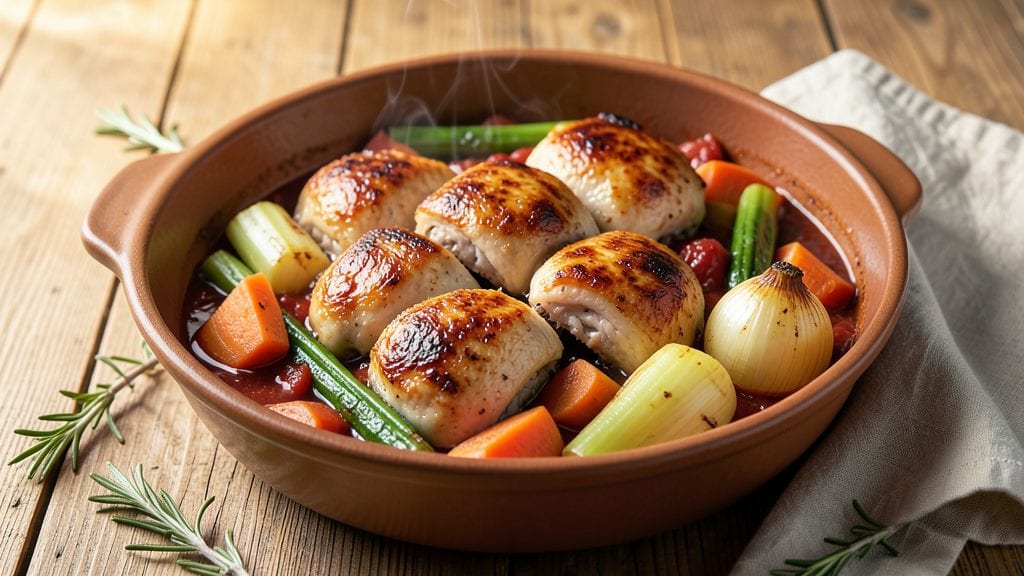
This boilo recipe delivers the kind of hearty, slow-simmered Italian comfort that transforms a simple meal into a family tradition. The secret lies in its one-pot magic—where tender vegetables, savory broth, and delicate pasta meld together over low heat, creating a dish that’s both humble and deeply satisfying.
I first made this during a chilly autumn evening when I craved something warm, filling, and impossible to resist.
What sets this recipe apart is its simplicity paired with restaurant-quality depth. No fancy techniques required—just a pot, patience, and a few essential ingredients that work together to create a dish bursting with flavor.
The slow simmering process infuses every component with the rich, aromatic broth, while the pasta absorbs just the right amount of liquid for a perfectly al dente bite. It’s the kind of meal that feels like a hug on a plate.
By the time you’re done, you’ll have a steaming pot of golden broth, tender vegetables, and perfectly cooked pasta—all infused with the kind of warmth that lingers long after the last bite.
The aroma alone will have everyone gathering around the table, and the first spoonful will confirm why this dish has been a staple in Italian kitchens for generations. Ready to bring this comfort to your own kitchen?
This recipe works equally well as a weeknight dinner or a centerpiece for a holiday gathering. Serve it with crusty bread to soak up every last drop of that flavorful broth, and don’t forget a sprinkle of fresh parsley for a touch of brightness.
Let’s get cooking—your taste buds will thank you.
Ingredients for boilo
Simple ingredients that transform into one-pot Italian comfort you'll crave all winter.
| Ingredient | Amount | Notes |
|---|---|---|
| Chicken Thighs 🍗 | 1 ½ lb | Bone-in, skin-on preferred |
| Yellow Onion 🧅 | 1 whole | Chopped into wedges |
| Carrots 🥕 | 3 medium | Cut into chunks |
| Celery Stalks 🌿 | 3 whole | Chopped into 1-inch pieces |
| Garlic Cloves 🧄 | 4 cloves | Peeled, lightly smashed |
| Tomato Paste 🍅 | 2 tbsp | Squeeze tube preferred |
| Dry White Wine 🍷 | ½ cup | Dry, not sweet |
| Chicken Broth 💧 | 4 cups | Low-sodium preferred |
| Bay Leaves 🌿 | 2 whole | Dried, removed before serving |
| Ditalini Pasta 🍝 | 8 oz | Or small shell pasta |
| Parmesan Cheese 🧀 | ½ cup | Freshly grated from block |
| Fresh Parsley 🌿 | ¼ cup | Chopped for garnish |
| Olive Oil 🫒 | 2 tbsp | Extra-virgin for richness |
| Salt 🧂 | 1 ½ tsp | Kosher or sea salt |
| Black Pepper 🌶️ | ½ tsp | Freshly ground preferred |
The chicken thighs are the backbone here—skin-on gives the broth incredible depth. Look for bone-in pieces at the meat counter, not pre-cut. I always grab mine from Whole Foods or the butcher section at Trader Joe's—they have better quality than the packaged stuff. The Parmesan? Freshly grated from a wedge makes all the difference. Pre-grated tastes like sawdust in comparison. For the pasta, ditalini or small shells hold up best to the long simmer, but any short pasta works. The carrots and celery should be firm—no rubbery stems or soft spots.
No white wine? Dry vermouth or extra chicken broth works just as well. Short on fresh parsley? Dried works at half the amount, but fresh is worth hunting down at the market. The tomato paste can be from a squeeze tube—Trader Joe's has great ones that last forever. For the broth, low-sodium is key so you can control the seasoning. The bay leaves are non-negotiable—they add that classic Italian aroma. If you're feeling fancy, add a sprig of rosemary too. The pasta should be added raw to the broth—it cooks perfectly in the simmering liquid.
This tastes even better the next day—honestly, the flavors meld overnight. Keeps for 4-5 days in the fridge, or 3 months frozen. I always make a double batch because it reheats beautifully for lunches. Store the broth separately if you want to use it for other recipes. The pasta reheats best with a splash of water or broth to loosen it up. For serving, crusty bread is perfect for soaking up every last drop of that golden broth—pick up a baguette from the bakery section if you want to go all out.
Why You'll Love This Recipe
- One-Pot Magic: I swear by this recipe when I’m too tired to scrub pots—just brown the chicken, toss in the onions, carrots, and celery, add broth, and let it simmer. That’s it. No extra bowls, no fuss.
- Garlic-Loaded Comfort: Between us, the garlic cloves roasted right in the broth? Chef’s kiss. It’s not just flavor—it’s that deep, savory punch that makes you reach for seconds without even thinking.
- Leftovers That Don’t Suck: Honestly, this is my secret weapon for lazy days. The broth thickens perfectly, so reheating it later? Still rich, still hearty. I’ve had it cold the next day for sandwiches—no one even questions it.
- Budget-Friendly Crowd-Pleaser: Chicken thighs are forgiving, and the veggies stretch for days. I made this for a potluck once, and not a single person left with an empty plate. (Yes, even on a Tuesday night.)
Step-by-step instructions for slow-simmered Italian comfort in one pot
This one-pot wonder delivers restaurant-quality boilo with tender chicken and hearty vegetables.
Sear the Chicken Thighs for Deep Flavor
Heat the 2 tablespoons olive oil in a large Dutch oven over medium-high heat until shimmering. Pat the 1.5 pounds chicken thighs completely dry with paper towels—this ensures a perfect golden crust. Working in batches if needed, sear the chicken skin-side down for 5-6 minutes until the skin is crispy and golden brown.
Flip the chicken and cook for another 3-4 minutes until the meat reaches 165°F internally. Remove the chicken and set it aside on a plate. You'll notice the skin is deeply browned and the meat is just cooked through—this searing step builds the foundation for all that rich flavor in your boilo.
Build the Vegetable Base
In the same Dutch oven, reduce the heat to medium and add the chopped yellow onion, carrots, and celery stalks. Cook for 5-6 minutes, stirring occasionally, until the vegetables begin to soften and the onion becomes translucent.
Add the 4 peeled garlic cloves and the 2 tablespoons tomato paste, stirring to coat everything evenly. Cook for another 1 minute until the garlic is fragrant and the tomato paste darkens slightly. This step develops the aromatic base that will infuse your entire dish with depth.
Deglaze and Simmer the Broth
Pour in the ½ cup dry white wine and scrape up any browned bits from the bottom of the pot with a wooden spoon. Let it simmer for 2-3 minutes until the wine reduces by half and the alcohol cooks off. Add the 4 cups chicken broth and the 2 bay leaves, then return the chicken to the pot.
Bring everything to a gentle boil, then reduce the heat to low and cover partially. Let it simmer for 30-40 minutes, turning the chicken occasionally, until the meat is fork-tender and falling off the bone. The broth should be rich and flavorful, with the chicken fully cooked through and the vegetables tender.
Add Pasta and Finish
Remove the chicken from the pot and shred it with two forks, discarding the skin and bones. Return the shredded chicken to the pot. Add the 8 ounces ditalini pasta and stir gently to combine with the broth. The pasta will absorb some of the liquid, but you want it al dente—cook for 10-12 minutes, stirring occasionally, until the pasta is tender but still has a slight bite.
Taste the broth and adjust the seasoning with the 1½ teaspoons salt and ½ teaspoon black pepper if needed. Remove the bay leaves before serving. The result should be a comforting, hearty dish with tender chicken, perfectly cooked pasta, and a rich, flavorful broth.
Serve with Fresh Garnishes
Ladle the boilo into bowls, dividing the pasta and chicken evenly. Top each serving with 2 tablespoons freshly grated parmesan cheese and 1 tablespoon chopped fresh parsley. The parsley adds a bright, fresh contrast to the rich, savory broth, while the parmesan brings a salty, umami finish.
Serve immediately with crusty bread on the side to soak up every last drop of that delicious broth. This dish is all about comfort—warm, hearty, and packed with flavor in every bite. The slow simmering ensures the vegetables are tender, the chicken is juicy, and the pasta is perfectly cooked, all coming together in one delicious, comforting meal.
Pro Tips For Making Boilo
- CRISP THE SKIN FIRST: Pat the chicken thighs bone-dry with paper towels, then sear them skin-side down in a cold pan for 8-10 minutes until golden-brown before adding liquid. I learned this the hard way—skipping the crisping leaves you with sad, rubbery skin that doesn’t hold up through hours of simmering.
- CHOP VEGETABLES UNIFORM: Cut onions, carrots, and celery into matchstick-sized pieces—no larger than ¼-inch thick. Big chunks stay tough; tiny pieces turn to mush. My grandmother swore by this, and she was right: even cooking is the real MVP here.
- DEGLAZE WITH WHITE WINE: After browning the chicken, deglaze the pan with ½ cup white wine (or broth) and scrape up every last bit—those browned bits pack layers of flavor. Skip this, and you’re missing the soul of the dish. (Yes, even if you’re impatient like me.)
- SIMMER LOW AND LONG: Once everything’s in the pot, keep the heat at a gentle simmer—barely bubbling—so the chicken stays tender and the broth doesn’t turn cloudy. I used to rush it, and the broth ended up thin and sad. Patience here makes all the difference.
Wine and beer pairings for this dish
White Wine Harmony
This dish practically begs for a crisp, dry white wine that can stand up to the rich chicken and vegetables. I always reach for a Vermentino from Sardinia—its bright citrus notes and mineral finish cut through the dish's heartiness beautifully.
A Pinot Grigio from Alto Adige also works perfectly, offering a clean, refreshing contrast to the savory broth. Avoid anything too oaky or sweet, as those flavors will clash with the dish's natural balance. 🍷
Italian Red Balance
For red wine lovers, a medium-bodied Chianti or Sangiovese provides the ideal acidity and earthy undertones to complement the tomato and herbs. Look for a wine with 12-14% alcohol—nothing too heavy that would overpower the delicate flavors.
A Montepulciano d'Abruzzo offers a great alternative with its juicy cherry notes that pair wonderfully with the chicken. Serve slightly chilled to enhance its freshness.
Beer Pairings
A crisp Italian lager like Peroni or Moretti is my go-to beer pairing—its light body and subtle maltiness won't compete with the dish but will cleanse your palate between bites.
For craft beer enthusiasts, a Belgian Witbier (like Hoegaarden) adds a nice effervescence and coriander note that complements the herbs. Avoid heavy stouts or IPAs, as their bold flavors would overpower this comforting dish. 🍺
Non-Alcoholic Options
Don't drink alcohol? No problem—sparkling water infused with a squeeze of lemon and a sprig of fresh mint provides a refreshing contrast. For something more substantial, try a Italian blood orange soda like San Pellegrino Aranciata Rossa.
The citrus notes enhance the dish's brightness while keeping it refreshing. Even a simple ginger beer with a splash of lime adds a nice zing that pairs surprisingly well with the rich broth.
Wine Service Tips
Serve your white wine slightly cooler than room temperature—around 50-55°F—to preserve its crispness. For reds, let them breathe for 10-15 minutes before pouring to open up their aromas. I always pour a small amount into my glass first to check the temperature and aroma before serving.
The right wine should enhance the dish's flavors rather than compete with them, creating a harmonious dining experience. 💫
Nutrition facts
Frequently asked questions
Can I make this recipe without white wine?
Simply replace the ½ cup dry white wine with ½ cup dry vermouth or an extra ½ cup chicken broth. The dish will still develop rich flavors—just skip the deglazing step if using broth. For extra depth, add 1 teaspoon lemon juice to mimic the wine's acidity.
How do I adjust the recipe for fewer/more servings?
This recipe scales beautifully. For 2 servings, halve all ingredients except the pasta (use 4 oz). For 6 servings, double everything—just increase the pot size to 6-8 quarts. The cooking time remains the same, but check pasta doneness 2 minutes early when scaling up.
Why does my chicken turn out dry?
Overcooking is the most common cause. Remove chicken when it reaches 165°F internally, then shred it gently—don't pull it apart until after simmering. For extra moisture, add ¼ cup reserved broth when shredding. Also, avoid lifting the lid frequently during simmering to trap steam.
Can I use ground meat instead of chicken thighs?
Yes, but adjust cooking times. Brown 1 lb Italian sausage or ground beef first, then follow the same steps. Cook ground meat for 5-6 minutes until browned, breaking it into small pieces. The dish will be heartier but slightly richer—balance with extra veggies if needed.
What's the best way to reheat leftovers?
Gently reheat on the stovetop over low heat with 2 tablespoons water or broth to prevent drying. Avoid microwaving—it makes pasta mushy. For best texture, reheat just until warmed through (2-3 minutes) and serve immediately. Flavors actually improve after 24 hours!