Salads
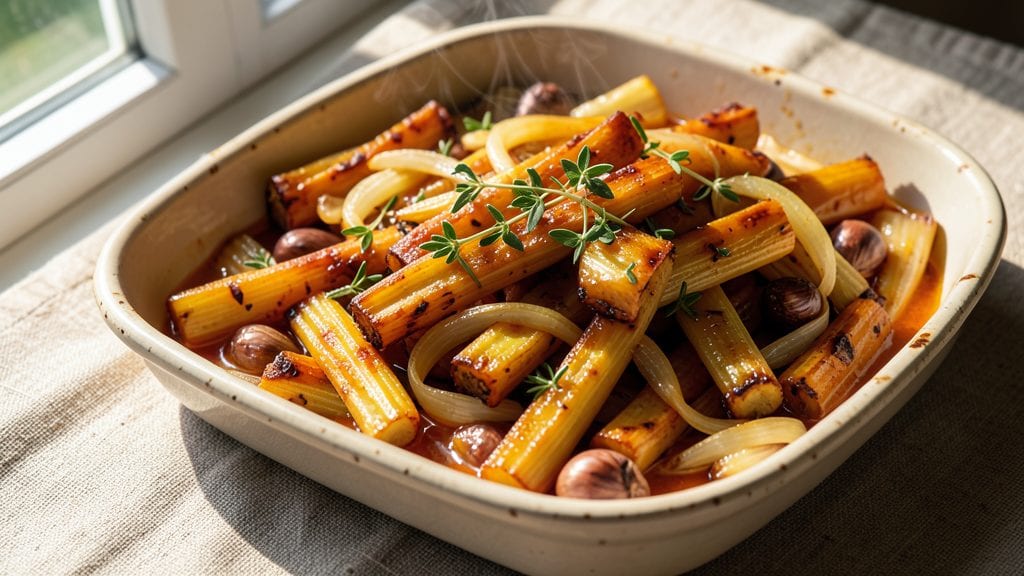
Cooked celery transforms this humble vegetable into a savory, aromatic star of warm salads and soups—something far more versatile than its raw counterpart. The key lies in gentle cooking methods that preserve its natural crunch while deepening its earthy flavor, making it the perfect addition to hearty dishes.
I developed this recipe after discovering how much richer celery becomes when simmered in broth or roasted with onions, creating a texture that’s tender yet still satisfyingly firm.
What makes this recipe work is the balance between precise timing and complementary ingredients—think onions, garlic, and herbs that build layers of flavor without overpowering celery’s natural taste.
Whether you’re making a warm salad base or a stir-fry side, the technique ensures celery stays crisp-tender rather than mushy, delivering that sought-after contrast of textures. The process is straightforward but requires attention to detail, especially when it comes to controlling moisture and heat.
By the end, you’ll have celery that’s perfectly cooked—bright green, infused with savory notes, and ready to elevate any dish. This method works equally well for soup additions, roasted vegetable mixes, or warm grain bowls, proving that celery deserves a place beyond the crudité tray.
The best part? It’s a foolproof technique that even beginners can master, turning a simple vegetable into a standout ingredient.
Pair it with lemon zest for brightness, toasted nuts for crunch, or feta cheese for creaminess to create a dish that’s both restaurant-worthy and effortlessly homemade. Let’s get cooking—your taste buds will thank you.
Ingredients for cooked celery
Twelve ingredients transform celery from crunchy side to savory star in warm salads and soups.
| Ingredient | Amount | Notes |
|---|---|---|
| Fresh Celery Stalks 🥬 | 1 ½ lb | Trimmed, cut into 2-inch pieces |
| Yellow Onions 🧅 | 1 whole | Medium, thinly sliced |
| Garlic Cloves 🧄 | 4 cloves | Peeled, minced finely |
| Vegetable Broth 💧 | 2 cups | Low-sodium preferred |
| Extra-Virgin Olive Oil 🫒 | ¼ cup | For roasting |
| Fresh Thyme Leaves 🌿 | ¼ cup | Chopped, stems removed |
| Fresh Parsley Leaves 🌿 | ¼ cup | Chopped, for finishing |
| Lemon Zest 🍋 | 1 tbsp | From 1 organic lemon |
| Sea Salt 🧂 | 1 ½ tsp | Diamond Crystal preferred |
| Black Peppercorns 🌶️ | ½ tsp | Freshly cracked |
| Balsamic Vinegar 🍷 | 1 tbsp | For finishing |
| Toasted Walnuts 🥜 | ¼ cup | Chopped, optional garnish |
| Crumbled Feta Cheese 🧀 | ½ cup | Optional finishing touch |
The celery's quality is non-negotiable—look for bright green stalks with crisp, firm texture at Whole Foods or your local farmers' market. Organic celery often has more flavor, but conventional works fine if it's fresh. Trim the ends and remove any stringy leaves before cutting into even 2-inch pieces—consistency ensures uniform cooking. The yellow onions should be firm and dry-skin, not sprouting or soft. For the broth, low-sodium vegetable broth from Pacific Foods or homemade is ideal—avoid high-sodium versions that can overpower the delicate celery flavor. Fresh thyme and parsley are best, but if using dried, reduce to one-third the amount.
No fresh thyme? Dried thyme at one-third the quantity works, but fresh delivers that bright, floral note. Substitute rosemary or sage for a different herbal profile, though thyme's earthy depth is ideal. Running short on walnuts? Toasted pecans or almonds add similar crunch. The balsamic vinegar can be swapped for red wine vinegar or apple cider vinegar if unavailable. For a dairy-free option, omit the feta or use vegan feta. The lemon zest is crucial—organic lemons have more vibrant flavor, but conventional works in a pinch. If your celery is particularly fibrous, simmer it for an extra 2 minutes to ensure tenderness without mushiness.
Store cooked celery in an airtight container with a paper towel to absorb excess moisture—keeps 4-5 days in the fridge. For longer storage, freeze in portions for up to 3 months. Reheat gently in a skillet with a splash of broth to restore crisp-tenderness. This technique works beautifully for warm grain bowls, soup bases, or as a crisp-tender salad topping. The celery's flavor actually intensifies when reheated, making it perfect for meal prep. For extra richness, toss with a drizzle of extra-virgin olive oil and a pinch of freshly cracked black pepper before serving.
Why You'll Love This Recipe
- One-Pot Magic: I swear by this recipe—just toss celery, onions, and garlic in olive oil, let them soften, then simmer in broth. No extra pans, no mess, and honestly? The smell alone makes me want to eat it straight from the pot.
- Umami Bomb: That slow caramelization of onions and garlic in olive oil? It turns this into something ridiculously flavorful. The broth deepens it further—salty, savory, and way more exciting than raw celery ever was.
- Meal Prep MVP: Make a big batch on Sunday, and you’ve got a base for soups, grain bowls, or even a quick pasta sauce. Between us, I’ve used this in tacos, over rice, and straight with crackers—it’s my secret weapon for lazy nights.
- Budget-Friendly Staple: Celery, onions, garlic, and broth? You’re looking at under $5 for a week’s worth of sides. Plus, leftovers keep for days—perfect for when you’re broke but still want to eat well. (Yes, even on a Tuesday night.)
Step-by-step instructions for cooked celery in savory salads
Transform fresh celery into a warm, aromatic base that elevates salads with depth and texture.
Roast the Celery and Onions Until Caramelized
Preheat your oven to 400°F. In a large roasting pan, combine the 1.5 lb fresh celery stalks (cut into 2-inch pieces) and 1 whole yellow onion (thinly sliced). Drizzle with the 0.25 cup extra-virgin olive oil and toss gently to coat evenly. Spread in a single layer, ensuring pieces aren't overcrowded.
Roast for 25-30 minutes, stirring once halfway through, until the celery edges turn golden brown and the onions soften with caramelized edges. The aromatics should fill your kitchen—this is where the magic begins. Remove from oven and let cool slightly while you prepare the aromatics.
Sauté Garlic and Herbs in the Roasting Pan
Return the roasting pan to the stovetop over medium heat. Add the 4 cloves minced garlic and cook for 30 seconds until fragrant. Stir in the 0.25 cup chopped fresh thyme leaves and 0.25 cup chopped fresh parsley leaves, cooking for another 1 minute to release their essential oils.
Pour in the 2 cups vegetable broth and scrape up any browned bits from the bottom of the pan. These fond bits carry concentrated flavor that will infuse your celery. Bring to a gentle simmer and let reduce by half—about 5-7 minutes—until the liquid clings to the celery and onions.
Season and Finish with Acidic Brightness
Remove from heat and stir in the 1 tbsp lemon zest, 1.5 tsp sea salt, and 0.5 tsp cracked black peppercorns. The lemon zest will cut through the richness while enhancing the caramelized notes. Taste and adjust seasoning—this is your flavor foundation, so balance is key.
For finishing, drizzle with 1 tbsp balsamic vinegar and toss gently. The vinegar adds complexity and helps distribute the flavors evenly. Let cool to room temperature before assembling salads—this prevents wilting while maintaining that satisfying crunch.
Assemble with Crunchy and Creamy Elements
Divide the warm celery mixture among 4 serving plates. Top each portion with 0.25 cup chopped toasted walnuts for texture contrast and 0.5 cup crumbled feta cheese for salty richness. The walnuts add crunch while the feta provides a creamy, tangy counterpoint to the caramelized vegetables.
Serve immediately while the celery retains its satisfying bite. The combination of warm, roasted vegetables with cool feta and crunchy walnuts creates a perfect balance of temperatures and textures that makes this dish unforgettable. Pair with a simple arugula salad or crusty bread to complement the robust flavors.
Pro Tips For Making Cooked Celery
- Trim the Celery Right: Cut off the tough leafy tops and strip the fibrous strings from the stalks before chopping—those strings turn to mush and ruin the texture. I used to skip this, and my cooked celery always felt slimy and uneven.
- Sweat the Onions Slow: Cook the onions on medium-low heat until they’re translucent and just starting to caramelize—about 8-10 minutes—before adding garlic. Rushing this step burns the garlic and makes the whole dish taste bitter.
- Salt the Broth Early: Season the vegetable broth with salt before pouring it over the celery and onions. The broth absorbs flavors better when it’s hot, and you’ll need less salt later to compensate for the celery’s natural bitterness.
- Deglaze with a Splash: After browning the onions and garlic, splash in 2 tablespoons of water or broth first to loosen the fond before adding the full amount. This keeps the flavors rich and prevents the celery from steaming instead of simmering.
Wine and beer pairings for this cooked celery
White Wine Pairings
For this earthy, caramelized celery dish, I recommend a crisp Sauvignon Blanc from New Zealand or Loire Valley. The wine’s bright acidity and citrus notes—think lime, green apple, and herbal undertones—cut through the richness of the roasted celery while complementing the thyme and lemon zest.
Look for a bottle with 12-13% ABV and moderate body to balance the dish without overpowering it. A chilled glass (around 45°F) will enhance the celery’s natural crunch and herbal complexity. 🍷
Light Red Wine Options
If you prefer red, a Pinot Noir from Oregon or Burgundy offers an unexpected but harmonious match. Its red fruit notes (cherry, raspberry) and earthy undertones mirror the caramelized celery and thyme, while its low tannins ensure it won’t clash with the dish’s delicate flavors.
Opt for a Pinot Noir with 13-14% ABV and serve it slightly cooler than room temperature (55-60°F) to highlight its freshness. This pairing works especially well if you’ve added a touch of balsamic vinegar to the celery.
Beer Pairings: Crisp and Herbal
A Belgian Witbier like Hoegaarden or Stella Artois Wit is my go-to beer pairing for this dish. The corianander, orange peel, and light spice notes in these beers echo the thyme and lemon zest in the celery, while their effervescence cleanses the palate between bites.
Serve the beer well-chilled (38-42°F) to contrast the warm celery. For a darker option, a German Helles Lager (like Weihenstephaner Original) adds a malty backbone that pairs beautifully with the caramelized onions and feta. 🍺
Avoid Heavy or Oaky Flavors
Skip bold, oaky wines like Chardonnay or Cabernet Sauvignon, as their heavy tannins and buttery notes will overpower the celery’s delicate, herbal profile. Similarly, avoid IPAs or stouts—their hop bitterness or roasted malt flavors won’t complement the dish’s bright, citrusy finish.
The key is to match the acidity and freshness of the celery with equally vibrant beverages. A well-chilled Sauvignon Blanc or Witbier will keep the dish’s flavors shining.
Non-Alcoholic Pairings
For a non-alcoholic option, try a sparkling apple cider (like Martinelli’s) or a ginger beer (such as Feather’s). The effervescence and slight tartness mimic the wine pairings, while the ginger’s warmth complements the roasted celery’s caramelized edges.
Serve both chilled (38-42°F) to enhance the dish’s crisp-tender texture. A cucumber-mint infused water with a squeeze of lemon also works beautifully, especially if you’ve added toasted walnuts to the dish. ✨
Nutrition facts
Frequently asked questions about cooked celery
Why does cooked celery taste different from raw?
Cooking celery transforms its texture from crisp to tender while intensifying its earthy, nutty flavor. The heat breaks down fibers, making it easier to digest and allowing other ingredients like garlic, thyme, and lemon zest to shine. This method also caramelizes natural sugars, adding subtle sweetness that raw celery lacks.
Can I use frozen celery for this recipe?
Fresh celery works best for this recipe because it holds its shape and flavor during cooking. Frozen celery often becomes mushy and absorbs too much liquid, losing its satisfying crunch. If you must use frozen, thaw it first and pat it very dry before roasting. For optimal results, stick with fresh, crisp stalks.
How do I prevent celery from turning mushy?
To keep celery crisp-tender, cut it into even 2-inch pieces and cook it just until tender—about 25-30 minutes at 400°F. Avoid overcrowding the pan and stir occasionally to promote even cooking. Finish with a splash of broth or lemon juice to maintain moisture without sogginess.
What are the best ways to store leftover cooked celery?
Store cooked celery in an airtight container with a paper towel to absorb excess moisture. It keeps well in the fridge for 4-5 days. For longer storage, freeze it in portions for up to 3 months. To reheat, warm gently in a skillet with a splash of broth to restore its crisp-tenderness.
Can I make this recipe without feta cheese?
Omit the feta or substitute with vegan feta for a dairy-free option. For extra richness, try crumbled goat cheese or a sprinkle of Parmesan. The dish still works beautifully without cheese—focus on balancing flavors with herbs, lemon zest, and toasted nuts instead.