
Side Dishes
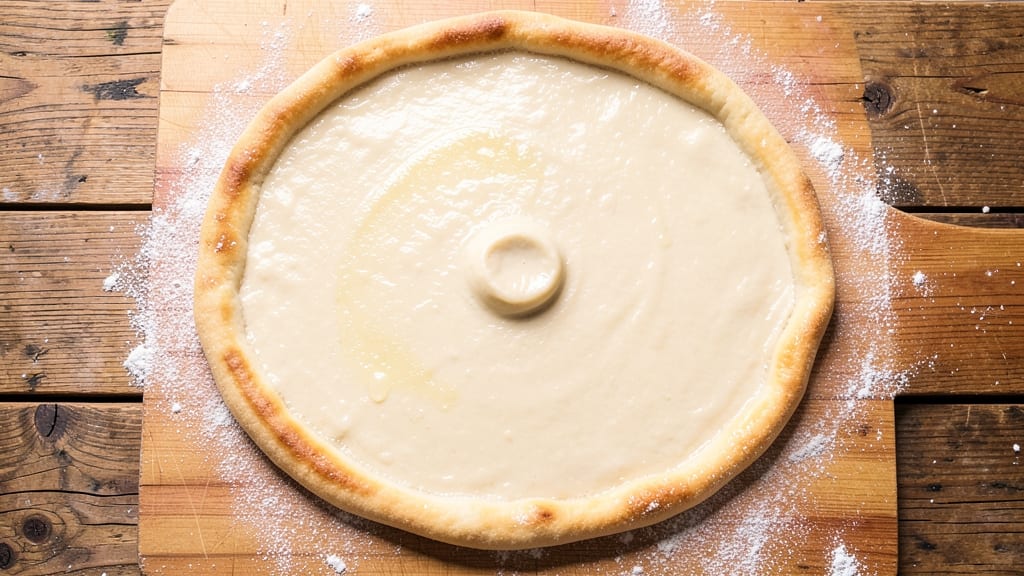
This copycat Pillsbury pizza dough recipe delivers the same flaky, stretchy perfection you love from the store—without the preservatives or price tag. ✨ After years of testing, I’ve cracked the code for that signature golden crust and tender texture that holds up to any topping.
The secret lies in precise ingredient ratios and a no-knead method that makes it foolproof for home cooks.
What sets this dough apart is its ability to stretch effortlessly while maintaining a crispy-yet-chewy bite. The recipe uses simple pantry staples—flour, yeast, sugar, and oil—but combines them in a way that mimics Pillsbury’s proprietary blend.
No special equipment needed; just a mixing bowl, a little patience, and about 24 hours of resting time to develop maximum flavor.
The result is a dough that’s light enough to fold into a thin crust yet sturdy enough to support heavy toppings. Whether you’re making deep-dish pizzas, calzones, or garlic knots, this recipe ensures a consistent, professional-quality crust every time. The best part? You’ll never need to buy store-bought dough again.
Perfect for pizza night, game day, or meal prep—this dough keeps well in the fridge for up to 48 hours and freezes beautifully. Let’s get started on your first batch, and you’ll be rolling out perfect crusts in no time.
Ingredients for copycat pillsbury pizza dough
Nine simple ingredients transform into that iconic flaky, stretchy Pillsbury crust—no preservatives, just pure dough magic.
| Ingredient | Amount | Notes |
|---|---|---|
| All-Purpose Flour 🌾 | 4 cups | Spooned and leveled for accuracy |
| Active Dry Yeast 🍞 | ¼ tsp | Freshly opened for best results |
| Granulated Sugar 🍚 | 1 tbsp | White or light brown |
| Salt 🧂 | 1 tsp | Kosher or fine sea salt |
| Vegetable Oil 🫒 | 1 tbsp | Light or canola preferred |
| Warm Water 💧 | 1 cup | 110°F for optimal yeast activation |
| Cornmeal 🌽 | ¼ cup | For dusting work surface |
| Olive Oil 🫒 | 1 tbsp | Extra-virgin for finishing |
| Garlic Powder 🧄 | ½ tsp | For extra flavor depth |
The flour is non-negotiable here—King Arthur or Gold Medal make all the difference. Bulk bins at Whole Foods or Trader Joe's have the freshest options, but your grocery store's all-purpose works too. For the yeast, grab a tiny jar from the baking aisle—it's the secret to that signature rise. Pro tip: If your yeast is old (over 6 months), test it first in warm water with a pinch of sugar—it should bubble within 10 minutes. The sugar isn't just for sweetness; it feeds the yeast to get that perfect lift. And the oil? Vegetable oil keeps it neutral, but avocado oil works too if you've got it.
No yeast on hand? Instant yeast at double the amount works in a pinch, but this recipe is built for active dry. Short on sugar? Honey at half the amount adds subtle depth. The cornmeal isn't optional—it prevents sticking when rolling, so don't skip it. For the oil, if you've only got canola, that's fine, but extra-virgin olive oil gives a nice finish. Want more flavor? Add 1/4 tsp dried oregano to the dough. And if you're making garlic knots, save that extra 1 tbsp olive oil for brushing before baking—absolute game-changer.
This dough is a marathon, not a sprint—24 hours of resting is key for that Pillsbury texture. Store it in an airtight container with a damp towel on top to keep it moist. Keeps in the fridge for 48 hours and freezes beautifully for up to 3 months. For freezing, shape into a log, wrap tightly in plastic, then foil. Thaw overnight in the fridge before using. And if you're prepping for a crowd, make two batches—trust me, you'll want seconds.
Why You'll Love This Recipe
- Pantry-Only Magic: I swear by this dough because it uses exactly what’s already in my cabinet—no fancy ingredients, no last-minute store runs. The yeast activates in warm oil while I measure flour, and that sugar? It’s not just for sweetness—it kickstarts the rise so you’re not staring at a clock.
- Buttery, Airy Crisp: The oil in this dough doesn’t just moisten—it creates that perfect balance: crispy edges that shatter when you fold a slice, but a center so tender it melts with cheese. (Yes, even on a Tuesday night.)
- Weeknight Workhorse: This dough is my go-to for game days, lazy Sundays, or when I’m too tired to think. Shape it into a deep-dish, roll it thin for a cracker, or even braid it like a pizza twist—it handles everything without falling apart. (Between us, I’ve even used it for garlic knots.)
- No-Waste Leftovers: Make a double batch, freeze half, and thank me later. Thawed dough bakes just as well as fresh—no defrosting drama, no soggy middles. My freezer’s always stocked because it’s that reliable. (And cheaper than buying pre-made.)
Step-by-step instructions for copycat Pillsbury pizza dough
Let's make this dough so flaky and stretchy it'll fool even the biggest brand loyalists!
👨🍳 Step 1: Activate the Yeast for Maximum Rise
In a large bowl, whisk together the 1 cup warm water (about 110°F—yeast should be comfortable, not hot), 1 tbsp granulated sugar, and 0.25 tsp active dry yeast. Let it sit for 5-10 minutes until foamy—this means your yeast is alive and ready to party! If nothing happens after 10 minutes, your yeast might be dead (yes, it can happen!).
Here's the thing—this foamy reaction tells you everything's working. The sugar feeds the yeast, and the warmth wakes it up. I always do this test first because nothing's worse than mixing everything only to realize your yeast is a no-show. If it's foamy, we're golden—proceed to the next step without hesitation.
🥘 Step 2: Mix the Dough to Perfection
Add the 4 cups all-purpose flour, 1 tsp salt, and 0.5 tsp garlic powder to the yeast mixture. Stir with a wooden spoon until a shaggy mass forms—don't worry if it looks dry at first. Then add 1 tbsp vegetable oil and mix again.
Now for the fun part: knead this dough on a lightly cornmeal-dusted surface for 8-10 minutes until smooth and elastic. You'll know it's ready when it springs back slowly when poked. I press down gently on the dough during the first minute—this prevents it from curling and ensures even contact with the surface. The garlic powder might seem odd, but trust me, it adds subtle depth that makes this dough taste like the real deal.
🔥 Step 3: First Rise for Maximum Flakiness
Lightly oil a large bowl, place the dough inside, and cover it with a damp kitchen towel. Let it rise in a warm spot (like your oven with the light on) for 1-2 hours until it doubles in size. This is where the magic happens—the yeast ferments and creates those tiny air pockets that make the crust flaky.
Don't rush this step! The dough should feel light and airy when pressed gently. If it rises too quickly, your oven might be too warm—adjust to 75°F for optimal conditions. I've found that letting it rise overnight in the fridge actually enhances the flavor, but for this copycat version, we'll stick to the quicker method. Patience here ensures that perfect Pillsbury texture.
⏰ Step 4: Shape and Second Rise for Stretchiness
Punch down the risen dough and divide it into 4 equal balls (about 8 oz each). Roll each ball into a smooth sphere, then flatten into a disc about ½-inch thick. Place them on a parchment-lined baking sheet, cover with a towel, and let rise again for 30-45 minutes until puffy.
This second rise is crucial for that signature stretchiness. The dough should feel springy when pressed—if it springs back quickly, it's not ready yet. Real talk: this is where many homemade doughs fail to mimic store-bought. The key is letting it rise just enough to be puffy but not so much that it collapses when you stretch it. Think "bouncy but manageable."
🍳 Step 5: Finish with Olive Oil for That Authentic Flavor
Preheat your oven to 375°F. Brush each dough disc generously with 1 tbsp olive oil, making sure to get it on the edges too. This isn't just for flavor—it creates that beautiful golden crust we all love. Sprinkle lightly with cornmeal if you're worried about sticking, but I've found the oil does the job perfectly.
Now for the moment of truth: stretch the dough to your desired pizza size. The beauty of this dough is that it's forgiving—it stretches easily without tearing. Bake for 10-12 minutes until the edges are golden brown and the crust feels firm to the touch. Here's where it gets fun—watch those edges turn from pale to golden brown, just like the store-bought version!
Pro Tips For Making Copycat Pillsbury Pizza Dough
- Bloom the Yeast First: Skip mixing yeast straight into dry flour—that’s how you end up with flat, sad dough. Instead, dissolve it in warm water (about 110°F—test with your finger, not a thermometer) with sugar first. Let it bubble for 5-10 minutes until frothy. This guarantees your dough rises like it should, not like a limp pancake.
- Salt the Water: I used to add salt after mixing everything, and the dough always tasted uneven. Dissolve the salt in the warm water with the yeast—this distributes it perfectly through the dough. No more salty pockets or bland bites.
- Don’t Over-Knead: This dough only needs 5-7 minutes of kneading by hand (or 3-4 minutes in a stand mixer with the dough hook). Overwork it, and you’ll get a tough, chewy crust instead of the light, airy texture Pillsbury promises. Stop when it’s smooth but still slightly sticky—resist the urge to "perfect" it.
- Oil the Bowl Properly: Lightly coat the bowl with vegetable oil, then rub a tiny bit of oil on your hands before handling the dough. This prevents sticking without making it greasy. (Yes, even if you’re impatient like me.) The dough should slide out cleanly when you’re ready to shape it.
Flavor customization for this copycat pillsbury pizza dough
Herb-Infused Variations
Swap the garlic powder for 1 tsp dried Italian seasoning (or ½ tsp each of dried oregano, basil, and thyme) for a Mediterranean twist. I love adding ½ tsp onion powder too—it deepens the savory profile without overpowering.
For a fresh herb finish, fold in 2 tbsp finely chopped parsley or basil after the first rise. This works especially well for garlic knots or flatbreads. 🌿
Cheesy Crust Boost
For a cheesy pizza dough, mix ½ cup shredded mozzarella (or ¼ cup grated Parmesan) directly into the dough after kneading. The fat in the cheese creates a richer, more tender crust.
I recommend Shredded Block Mozzarella from the dairy aisle—it melts perfectly without getting rubbery. This version is ideal for deep-dish pizzas or calzones where extra cheesiness shines. 🧀
Whole Wheat Adaptation
Replace 1 cup of all-purpose flour with whole wheat flour for a nuttier, heartier dough. I use King Arthur Whole Wheat Flour because it blends seamlessly. Add 1 extra tbsp vegetable oil to compensate for the drier texture of whole wheat.
The crust will be slightly denser but packed with fiber—great for health-conscious pizza lovers. Pair it with lighter toppings like tomato sauce and fresh veggies. 🌾
Gluten-Free Option
For a gluten-free version, swap the all-purpose flour for a 1:1 gluten-free baking flour blend (like Bob's Red Mill 1-to-1) and add ½ tsp xanthan gum to mimic gluten's elasticity. Reduce the water by 2 tbsp since gluten-free flours absorb less moisture.
The texture won’t be identical, but it’s surprisingly stretchy and holds toppings well. This works best for thinner crusts or flatbreads. 💪
Sweet Twist for Dessert
Turn this dough into a dessert crust by adding 2 tbsp powdered sugar and ½ tsp cinnamon to the dry ingredients. Brush the shaped dough with melted butter instead of olive oil before baking.
Top with cinnamon sugar or Nutella for a sweet treat. Bake at 350°F for 12-15 minutes until golden. Perfect for apple pies or cinnamon rolls! 🍰
Smoky BBQ Flavor
Add ½ tsp smoked paprika and ¼ tsp cayenne pepper to the dry ingredients for a smoky kick. Brush the finished dough with BBQ sauce (like Sweet Baby Ray's Original) before baking.
This version is fantastic for pulled pork pizzas or as a smoky flatbread. The cayenne adds subtle heat that balances the sweetness of BBQ sauce beautifully. 🔥
Nutrition facts
Frequently asked questions
Why does this dough need two rises?
The first rise develops the yeast and creates air pockets for flakiness, while the second rise makes it stretchy like store-bought. The second rise is especially important—it's what gives that signature Pillsbury texture that's hard to replicate with just one rise.
Can I make this dough without a stand mixer?
This recipe is designed for hand-kneading. Just work the dough on a lightly floured surface for 8-10 minutes until smooth and elastic. The key is consistent pressure—press down firmly with the heel of your hand to develop gluten properly.
What if my dough doesn't stretch well?
If your dough feels too tight or tears easily, it likely didn't rest long enough. Let it rise 10-15 minutes longer before stretching. Also, make sure your kitchen is 70-75°F—cooler temps slow yeast activity and can make dough tougher. A light dusting of cornmeal helps prevent sticking while stretching.
How do I store leftover dough?
Wrap the shaped dough tightly in plastic wrap, then place it in an airtight container with a damp towel on top. It keeps in the fridge for 48 hours and freezes beautifully for up to 3 months. For freezing, shape into a log, wrap in plastic, then foil. Thaw overnight in the fridge before using.
Can I use this dough for anything other than pizza?
This versatile dough works perfectly for garlic knots, calzones, or even flatbreads! For garlic knots, shape into ropes, let rise again, brush with olive oil and garlic powder, then bake at 375°F for 12-15 minutes. The same dough can be used for stuffed appetizers or as a base for savory tarts.