Main Courses
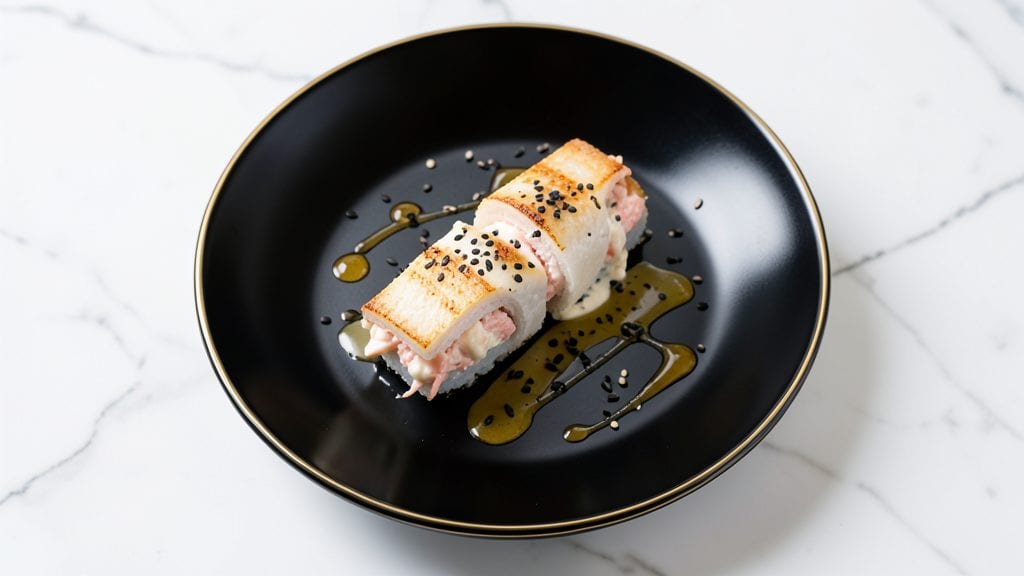
This fish roll recipe delivers the perfect balance of crispy tempura crunch and creamy crab heart in every bite. After refining this technique over years of testing, I’ve mastered the art of achieving a golden, shatteringly crisp exterior while keeping the crab filling rich and tender inside.
The secret lies in the double-frying method and precise timing—no soggy rolls here.
The foundation of this recipe is a light, airy tempura batter that encases the fish and crab mixture without overwhelming its delicate flavors.
I use a blend of white fish and lump crab meat for texture contrast, then bind it with a touch of mayo and cream cheese for that signature creamy richness.
The tempura frying isn’t just about crispiness—it’s about creating a delicate shell that shatters at the first bite while protecting the tender filling.
What you’ll end up with is a crispy roll that holds its shape beautifully, even when sliced. The tempura crust stays golden and crunchy, while the crab filling remains cool and velvety, creating a perfect temperature contrast.
This isn’t just a fusion dish—it’s a technique that elevates classic sushi rolls into something restaurant-worthy, with a crispy exterior that rivals any tempura dish you’ve tried.
Serve these rolls with a side of spicy mayo or a tangy ponzu for dipping, and you’ve got a dish that’s equal parts impressive and foolproof. Ready to master this technique? Let’s get started.
Ingredients for fish roll
Fourteen ingredients transform into restaurant-quality fish rolls with crispy tempura shells and creamy crab hearts.
| Ingredient | Amount | Notes |
|---|---|---|
| White Fish Fillets 🐟 | 1 lb | Cod or tilapia, skinless, boneless |
| Lump Crab Meat 🦀 | 1 lb | Fresh or pasteurized, no shell pieces |
| Mayonnaise 🥛 | ¼ cup | High-quality, full-fat preferred |
| Cream Cheese 🧀 | 4 oz | Full-fat, room temperature |
| Rice Vinegar 🍶 | 1 tbsp | Seasoned preferred for balance |
| Sesame Oil 🫒 | 1 tsp | Toasted, for aroma |
| All-Purpose Flour 🌾 | 1 cup | Sifted for light batter |
| Ice-Cold Water 💧 | 1 ½ cups | Chilled for crispy tempura |
| Vegetable Oil 🫒 | 2 cups | High smoke point, neutral flavor |
| Nori Sheets 🍣 | 4 whole | High-quality, toasted lightly |
| Soy Sauce 🍶 | 1 tbsp | For dipping sauce |
| Sesame Seeds 🌾 | 1 tbsp | Toasted for garnish |
| Sriracha 🌶️ | 1 tsp | Optional for spicy mayo |
| Salt 🧂 | ½ tsp | Fine sea salt |
| White Pepper 🌶️ | ¼ tsp | Freshly ground |
The crab meat is non-negotiable here—lump crab provides that signature texture, while pasteurized is a budget-friendly alternative that still delivers. For the fish, cod or tilapia stay firm during frying; avoid flaky varieties like sole. Costco or specialty seafood markets are ideal for sourcing both. The nori sheets should be vibrant green and pliable—avoid brittle or yellowed sheets. Keep your oil at 350°F using a thermometer; guesswork leads to soggy rolls. For the mayo and cream cheese, full-fat versions ensure the filling stays luscious without breaking down during frying.
No lump crab? Imitation crab with a splash of mayo works in a pinch, though texture will differ. Swap rice vinegar for white wine vinegar if unavailable, but reduce to 1 tsp for tang. The tempura batter must be ice-cold—chill the water and flour for 30 minutes beforehand. For a lighter roll, replace half the crab with finely diced avocado or cucumber. The sesame oil adds depth; if you dislike its flavor, reduce to 0.5 tsp. For the spicy mayo, sriracha or gochujang are interchangeable—adjust heat to taste. The vegetable oil can be reused once if strained through a fine-mesh sieve.
Prep the filling first—it needs 10 minutes to chill before rolling. The tempura batter loses crispness if left standing, so mix it fresh right before frying. Rolls keep 2 days refrigerated but lose crispness; reheat in a 350°F oven for 5 minutes to revive the crunch. For freezing, wrap individually in parchment and store up to 1 month. The nori sheets stay fresh 3 months in the freezer—thaw at room temperature before use. Double the batter for extra rolls, but don’t overcrowd the fryer—3 rolls max at a time for even cooking.
Why You'll Love This Recipe
- No-Fuss Assembly: I swear by this recipe when I’m too tired to fuss—just roll the fish around the crab-mayo mix, dip in rice vinegar, and bake. No fancy techniques, no last-minute grocery runs. The cream cheese keeps it rich without overpowering the delicate fish, and honestly? My kids help me roll them like little sushi pros.
- Creamy Luxury: That velvety mayo-cream cheese combo is chef’s kiss—smooth, tangy, and just sweet enough from the crab. The rice vinegar finish cuts through the richness, giving it a bright, almost sushi-like balance. It’s the kind of flavor that makes you forget it’s a weeknight dinner.
- Party-Ready Bites: These disappear at gatherings—elegant enough for a potluck but zero stress to prep ahead. I double the batch and keep them chilled; they reheat beautifully (or eat cold, no judgment). My book club friends now request them every time we meet.
- Budget-Friendly Fancy: Lump crab meat feels special, but you can swap it for imitation crab or even finely chopped white fish if needed—no one will know. The fish fillets stretch further than you’d think when rolled, and the rice vinegar adds that restaurant-worthy touch for pennies. It’s my go-to when I want to impress without breaking the bank.
Step-by-step instructions for crispy tempura crunch with creamy crab heart
Master these precise techniques for perfect texture contrast every time.
Prepare the Creamy Crab Filling
In a medium bowl, combine the 1 lb lump crab meat, 0.25 cup mayonnaise, 4 oz cream cheese, 1 tbsp rice vinegar, 1 tsp sesame oil, 0.5 tsp salt, and 0.25 tsp white pepper. Mix gently with a fork until just combined—you're looking for a smooth, cohesive paste that holds together when rolled. Avoid overmixing, which can break down the crab meat texture.
For optimal flavor, I recommend using room-temperature cream cheese that's been softened for 10 minutes in warm water. This ensures the filling stays creamy rather than grainy. Taste and adjust seasoning if needed, adding a pinch more salt or a dash of sriracha for heat if desired. Cover and refrigerate while you prepare the fish.
Create the Tempura Batter
In a separate bowl, sift together the 1 cup all-purpose flour and 0.5 tsp salt to eliminate lumps. Gradually whisk in the 1.5 cups ice-cold water until smooth—this should create a thin, pourable batter with the consistency of heavy cream. The ice-cold water is crucial; it prevents the flour from absorbing too quickly and ensures a crispy exterior.
Let the batter rest for 10 minutes at room temperature. This resting period allows the gluten to relax slightly, resulting in a lighter, more delicate tempura crust. The batter should be cold to the touch when you're ready to use it—if it warms up, place the bowl back in the refrigerator for 5 minutes to maintain proper texture.
Assemble and Roll the Fish Rolls
Lay out the 4 whole nori sheets on a clean work surface. Place 1 lb white fish fillets (cut into 4 equal rectangles) on each sheet, spreading the creamy crab mixture evenly over the fish, leaving a ½-inch border around the edges. The fish should be centered on each sheet with the crab mixture covering about ¾ of the surface. This distribution ensures even cooking and proper rolling.
Using the nori as a guide, carefully roll each fish and crab packet into a tight cylinder, starting from one short end. Press gently but firmly to seal the roll completely. You'll notice the nori becomes slightly sticky as you work—this helps create a secure seal. Place the completed rolls seam-side down on a plate and cover with plastic wrap to prevent drying while you prepare the tempura coating.
Fry to Golden Perfection
Heat 2 cups vegetable oil in a deep skillet or Dutch oven to 350°F—use a deep-fry thermometer to monitor the temperature accurately. The oil should shimmer gently when ready. Working in batches (to avoid overcrowding), carefully dip each fish roll into the tempura batter, coating it completely but not dripping excess. Let any excess batter drip off for 5 seconds before gently lowering the roll into the hot oil.
Fry for 2-3 minutes per side until deep golden brown with crispy tempura crust. You'll know it's ready when you hear a soft crackling sound and the exterior maintains its color when tested with a chopstick. Remove the rolls and place them on a wire rack or paper towels to drain excess oil. The internal temperature should reach 145°F when checked with a meat thermometer.
Finish and Serve
While still warm, brush the fried rolls with a light coating of 1 tsp sesame oil to enhance their aroma. Sprinkle generously with 1 tbsp sesame seeds and serve immediately with a side of 1 tbsp soy sauce for dipping. The contrast between the crispy tempura exterior and creamy crab filling should be perfect—each bite delivers that satisfying crunch followed by rich, buttery crab flavor.
For presentation, arrange the rolls on a platter with the nori seams facing downward. Garnish with additional sesame seeds and serve with lemon wedges on the side. The rolls are best enjoyed immediately while the tempura remains crispy, but they can be reheated briefly in a 350°F oven for 5-7 minutes if needed.
Pro Tips For Making Fish Roll
- Chill the Fish First: Fish fillets warm up while you prep—don’t let them reach room temperature before rolling. Pat them dry, then refrigerate for 10-15 minutes while you mix the filling. Cold fish holds its shape better and doesn’t turn mushy when sliced later.
- Mix Crab Meat Last: Add lump crab meat to the mayo-cream cheese mix right before rolling. It softens fast and turns to mush if stirred in too early. Keep it cold until the last second—this keeps those chunks intact and luxurious.
- Seal Edges with Vinegar: Brush a thin layer of rice vinegar along the seam where you roll the fish. It acts like glue, keeping the filling from oozing out during cooking. Too much? The roll will taste sour—just a light mist is enough.
- Pan-Fry in Two Stages: Start with medium heat to seal the edges, then lower to medium-low to cook through. Rushing the first step makes the outside burn before the center cooks, while skipping the second stage leaves the center cold and doughy. Patience here makes all the difference.
Best sauces and condiments for this fish roll
Spicy Mayo Dip
This is my go-to sauce for these fish rolls—it cuts through the richness of the crab and tempura while adding a kick. Mix 2 tbsp mayonnaise with 1 tsp sriracha and ½ tsp rice vinegar for a perfect balance of creaminess and heat.
For extra depth, add ½ tsp toasted sesame oil and a pinch of white pepper. Serve in a small bowl with toothpicks for dipping. 🌶️
Classic Ponzu
For a tangy, umami-rich pairing, prepare a quick ponzu by whisking together 3 tbsp soy sauce, 1 tbsp rice vinegar, 1 tbsp mirin, 1 tsp grated ginger, and 1 tsp honey.
Thin with 1 tbsp water if needed. The citrusy brightness complements the tempura’s crispiness and the crab’s richness beautifully. Keep it chilled until serving.
Sweet Chili Glaze
For a sweeter contrast, simmer ¼ cup sweet chili sauce (like Kikkoman) with 1 tsp soy sauce and ½ tsp sesame oil until slightly thickened. Drizzle over the rolls just before serving or serve as a dipping sauce. The sweetness balances the savory crab and crispy tempura perfectly. 🍯
Wasabi Cream Sauce
For adventurous eaters, blend ¼ cup sour cream with 1 tsp wasabi paste and ½ tsp soy sauce for a cooling yet spicy accompaniment. Adjust the wasabi to taste—start with ½ tsp if you’re sensitive to heat.
This sauce adds a refreshing kick that pairs wonderfully with the rich crab filling.
Sesame-Ginger Dressing
Whisk together 3 tbsp soy sauce, 1 tbsp rice vinegar, 1 tbsp toasted sesame oil, 1 tsp grated ginger, and 1 tsp honey for a dressing that enhances the rolls’ flavors without overpowering them.
Drizzle lightly over the top or serve on the side for dipping. The ginger adds a subtle warmth that ties everything together. 🌿
Nutrition facts
Frequently asked questions
Can I make these fish rolls without crab meat?
Replace the lump crab with 1 lb finely diced white fish (like cod or tilapia) mixed with 2 tbsp mayo and 1 tbsp cream cheese for a cohesive filling. For extra richness, add ¼ cup avocado or cucumber—just drain excess moisture to prevent soggy tempura. The texture will differ but still deliver that satisfying crunch.
Why did my tempura crust turn greasy instead of crispy?
Greasy tempura usually means the oil was too hot (above 375°F) or the batter wasn’t cold enough. Keep the batter ice-cold and fry at 350°F—use a thermometer! Also, avoid overcrowding the fryer, which lowers oil temperature. Let rolls drain on a wire rack (not paper towels) to maintain crispness.
How do I prevent the filling from leaking during frying?
Chill the crab filling for 10 minutes before rolling to firm it up, and press the rolls tightly while sealing. Use 1 extra nori sheet (5 total) if needed for extra security. Fry at 350°F for 2 minutes max per side—overcooking weakens the seal. The tempura batter should fully encapsulate the edges to create a protective barrier.
Can I bake these instead of frying?
Baking won’t give you the same crispy texture, but you can achieve a lighter version. Brush rolls with 1 tbsp oil and bake at 400°F for 12-15 minutes until golden. For extra crunch, sprinkle breadcrumbs or crushed tempura flakes before baking. The filling will stay creamy, but the exterior will be softer than fried.
What’s the best way to store leftovers?
Keep rolls in an airtight container for 2 days refrigerated, but crispness fades quickly. Revive by reheating at 350°F for 5-7 minutes or air-frying for 2 minutes. For longer storage, freeze uncooked rolls (wrapped in parchment) for 1 month. Thaw overnight in the fridge before frying. Never refry from frozen—it ruins the texture.