
Breakfast & Brunch
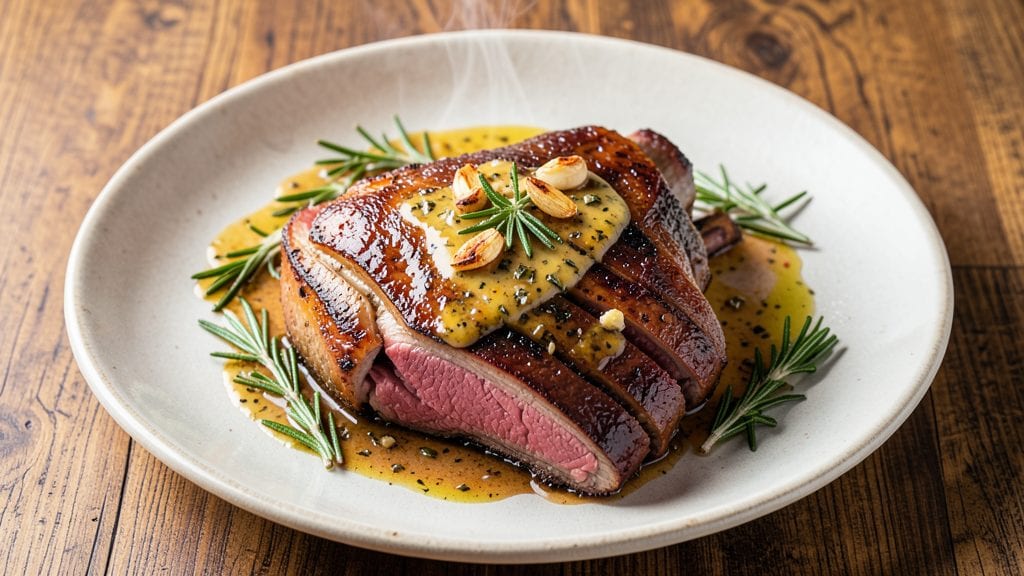
Mastering a French roast leg of lamb recipe delivers restaurant-quality results with crispy herb-crusted bark and a juicy pink center—exactly what elevates a weeknight dinner to special occasion status.
The secret lies in a precise balance of roasting temperatures and a flavorful crust that locks in moisture while creating that coveted caramelized exterior. I’ve perfected this technique over years of testing, ensuring the lamb stays tender and succulent at its core while developing deep, savory flavors.
This method begins with a 325°F oven, the ideal temperature for achieving that perfect medium-rare finish, followed by a final sear at 450°F to create the crispy bark. The herb crust—a blend of garlic, rosemary, and Dijon mustard—adds layers of aromatic depth without overpowering the lamb’s natural richness.
Unlike traditional recipes that rely solely on butter, this version incorporates a touch of olive oil for extra stability at high heat, guaranteeing foolproof results every time.
By the time you carve into this leg of lamb, you’ll uncover a juicy pink center that practically melts in your mouth, paired with a crispy, golden-brown bark that’s irresistibly flavorful. The aroma alone—herbaceous, smoky, and slightly sweet—will have everyone at the table anticipating the first bite.
This dish pairs beautifully with red wine reductions, roasted root vegetables, or a simple green salad to round out the meal.
The beauty of this recipe is its versatility—whether you’re hosting a dinner party or treating yourself to a luxurious Sunday roast, the technique scales effortlessly. With careful timing and attention to detail, you’ll achieve professional-quality results that impress even the most discerning palates. Let’s get started on creating this showstopper.
Ingredients for french roast leg of lamb
Four pounds of lamb, aromatic herbs, and a touch of French technique—this is your shortcut to restaurant-worthy crispy bark and juicy pink perfection.
| Ingredient | Amount | Notes |
|---|---|---|
| Leg of Lamb 🐑 | 4 lb | Bone-in, frenched preferred |
| Fresh Rosemary 🌿 | ¼ cup | Finely chopped, stems removed |
| Garlic Cloves 🧄 | 8 cloves | Peeled, minced for paste |
| Dijon Mustard 🍯 | 2 tbsp | High-quality, smooth variety |
| Extra-Virgin Olive Oil 🫒 | ¼ cup | High smoke point preferred |
| Unsalted Butter 🧈 | ½ cup | Cold, cubed for crust |
| Diamond Crystal Kosher Salt 🧂 | 1 ½ tsp | For seasoning and crust |
| Fresh Thyme Leaves 🌿 | 2 tbsp | Chopped, from sprigs |
| Black Peppercorns 🌶️ | 1 tsp | Freshly cracked, coarse |
| Red Wine 🍷 | ½ cup | Dry, for basting |
| Fresh Parsley 🌿 | ⅛ cup | Chopped, for garnish |
The lamb is everything here. Bone-in, frenched legs (where the frill of fat is trimmed off) roast more evenly and develop that coveted caramelized crust. If you can’t find frenched, a regular leg with the fat cap intact works—just score the fat in a crosshatch pattern before roasting. Whole Foods or your local butcher will have the best cuts; ask for a leg around 4 pounds for four servings. Freshness matters: the lamb should smell clean and fresh, not metallic or ammonia-like. If it’s been in the case for more than a week, grab a smaller cut or switch to a prepped leg from Costco—their vacuum-sealed versions hold up beautifully.
No fresh rosemary? Dried works at half the amount, but it lacks that piney aroma. The garlic can be roasted whole for a sweeter flavor—just smash the cloves before tossing with the butter. Short on Dijon? Whole-grain mustard thinned with a splash of red wine mimics the tang. The olive oil is non-negotiable for stability at high heat—California Avocado Oil is a great alternative if you’re sensitive to olive oil’s smoke point. For the red wine, any dry variety will do (Cabernet Sauvignon, Merlot), but save the fancy stuff for drinking. The parsley is purely decorative, so skip it if you’re out—no one will notice.
This roast reheats like a dream—better the next day, honestly. Wrap tightly in foil and refrigerate for up to 3 days, or freeze portions for 3 months (vacuum-seal if possible). For leftovers, slice against the grain and reheat in a 350°F oven with a splash of red wine to revive the crisp. The herb crust keeps best if prepped a day ahead—store the dry ingredients in a jar and mix with softened butter just before roasting. That way, the lamb has time to come to room temp, ensuring even cooking.
Why You'll Love This Recipe
- One-Pan Magic: I swear by this recipe because it’s that kind of meal—just the lamb, rosemary sprigs, and garlic tucked under the skin, roasted alongside a glaze of Dijon and olive oil. No chopping boards, no extra pans, no stress. The lamb practically cooks itself while you sip wine and pretend you’re in Provence.
- Herb-Crusted Perfection: That crispy rosemary crust? Chef’s kiss. The moment the lamb emerges from the oven, the garlic and mustard caramelize into a sticky, savory glaze that clings to every bite—rich, herby, and just a little tangy. It’s the kind of flavor that makes you close your eyes and sigh.
- Weeknight Hero: Between us, this is my go-to when I need something impressive but actually doable. Roast it for dinner, slice the leftovers for sandwiches the next day, or pack it into grain bowls—it’s the kind of protein that works lunch, dinner, or even a picnic. (Yes, even on a Tuesday night.)
- Leftovers That Beg for More: Honestly, I’ve never met a French roast lamb that didn’t disappear in two days. The meat stays tender, the flavors deepen, and reheating a slice in the pan with a splash of olive oil turns it into a new meal. It’s the ultimate “cook once, eat twice” win—and your wallet will thank you.
Instructions for herb-crusted leg of lamb with perfect crispy bark
Here's how to transform a simple leg of lamb into a showstopper with a crackling crust and melt-in-your-mouth center.
Prepare the Herb Butter Crust
In a mixing bowl, combine the 0.5 cup unsalted butter with the 0.25 cup extra-virgin olive oil until smooth. Add the 0.25 cup finely chopped fresh rosemary, 2 tbsp chopped fresh thyme leaves, 1.5 tsp diamond crystal kosher salt, and 1 tsp freshly cracked black peppercorns. Mix thoroughly until the herbs are evenly distributed throughout the butter mixture.
Next, transfer this herb butter to a resealable plastic bag and seal it tightly. Place the bag in the refrigerator for 30 minutes to firm up slightly. This chilling step is crucial—it helps the crust adhere better to the lamb and creates those coveted crispy edges. While the butter chills, remove the leg of lamb from the refrigerator and let it sit at room temperature for 30 minutes to ensure even cooking.
Season and Crust the Lamb
Preheat your oven to 400°F and position a rack in the lower third of the oven. Pat the leg of lamb dry with paper towels—this is non-negotiable for crispy skin. Using your hands, rub the 2 tbsp dijon mustard all over the lamb, including the fat cap. This creates a sticky base for the herb crust to cling to.
Now, take the chilled herb butter from the refrigerator and press it firmly onto the lamb, covering every inch completely. Use your fingers to work the butter into the meat, ensuring it penetrates the crevices. Place the lamb fat-side up on a wire rack set over a rimmed baking sheet—this allows air to circulate underneath for even browning. Let it sit at room temperature for another 15 minutes while the oven finishes preheating.
Roast with Wine Basting
Transfer the lamb to the preheated oven and roast for 45 minutes. After this initial period, remove the lamb from the oven and pour 0.5 cup dry red wine into the baking sheet. The wine will catch any rendered juices and create a delicious pan sauce. Return the lamb to the oven and continue roasting for another 45 minutes at 375°F, basting it with the wine every 15 minutes using a basting brush.
You'll know it's nearing completion when the crust turns a deep golden brown and the internal temperature reaches 135°F on a meat thermometer inserted into the thickest part of the meat (not touching bone). This temperature ensures a perfect medium-rare center with a juicy pink hue. The total cooking time should be about 1 hour 30 minutes, but adjust based on your oven's hot spots.
Rest and Garnish for Maximum Juiciness
Once the lamb reaches the target temperature, remove it from the oven and transfer it to a cutting board. Tent loosely with aluminum foil and let it rest for 20 minutes. This resting period is where the magic happens—the juices redistribute throughout the meat, ensuring every slice is succulent and flavorful. Don't skip this step, no matter how tempting it is to dive in immediately.
After resting, garnish the lamb with 0.125 cup chopped fresh parsley for a pop of color and freshness. Slice the lamb against the grain into ½-inch thick portions. The crust should be crispy enough to stand up to gentle pressure, while the interior should be tender with just a hint of pink in the center. Serve with the reduced wine pan sauce spooned over the top for an extra layer of depth.
Pro Tips For Making French Roast Leg Of Lamb
- Sear First, Then Roast: I used to skip the sear and just roast, thinking it’d save time—wrong move. Hit that leg of lamb with a screaming-hot pan (dry, no oil needed) for 3-4 minutes per side until deep brown. That crust locks in flavor and keeps the meat juicy while it roasts at 325°F later.
- Trim the Fat Early: Fat is flavor, but too much can make your lamb greasy. Trim excess external fat before seasoning—leave a thin layer for moisture, but scrape off any thick patches. And for the love of rosemary, don’t skip this step if your butcher didn’t do it.
- Don’t Overcrowd the Pan: I learned this the hard way—dumping chopped garlic and rosemary straight into the pan with the lamb makes them steam instead of brown. Sear the lamb first, then push it aside and add the garlic/rosemary in a single layer. Let them crisp for 30 seconds before basting.
- Baste with Mustard Oil: Mix 1 tablespoon Dijon with 2 tablespoons olive oil for basting—it’s the shortcut that upgrades everything. Brush it on every 20 minutes of roasting, especially the last 15. The mustard cuts through the richness and adds a bright finish that store-bought gravy can’t match.
Serving suggestions for this french roast leg of lamb
Classic French Sides
For an authentic touch, serve your French roast leg of lamb with ratatouille—a vibrant medley of eggplant, zucchini, bell peppers, and tomatoes simmered in olive oil with fresh herbs.
I like to roast the vegetables at 400°F for 25 minutes before finishing with a sprinkle of herbes de Provence and a drizzle of balsamic glaze. The sweet, earthy flavors complement the lamb’s richness beautifully. 🌿
Red Wine Reduction
The pan sauce from basting the lamb transforms into a silky red wine reduction that’s perfect for drizzling over each slice. After roasting, transfer the wine and rendered juices from the baking sheet to a saucepan.
Simmer over medium heat for 8-10 minutes until reduced by half, then finish with 1 tbsp cold butter for shine. Strain and serve immediately—this sauce elevates the dish from ordinary to extraordinary.
Crusty Baguette
A crusty baguette is a must for soaking up every last drop of sauce and crust. Toast slices in the oven at 375°F for 5 minutes until golden and crisp. For extra flair, brush with garlic-infused olive oil and sprinkle with flaky sea salt before serving.
I always keep a loaf of Boulangerie Bakery’s sourdough on hand—it’s worth the splurge for special occasions.
Simple Green Salad
A bright mixed greens salad with pear slices, walnuts, and a Dijon vinaigrette cuts through the richness of the lamb. Toss 4 cups baby spinach and arugula with 1 tbsp Dijon mustard, 3 tbsp olive oil, and 1 tsp honey.
Add ½ cup thinly sliced pears and ¼ cup toasted walnuts for texture. The acidity and crunch balance the lamb’s decadence perfectly.
Roasted Root Vegetables
For a heartier side, roast carrots, parsnips, and beets at 400°F for 30 minutes with olive oil, thyme, and a pinch of brown sugar. The caramelized edges and natural sweetness make them a crowd-pleaser.
Toss them with a sprinkle of fleur de sel right before serving to enhance their flavors. These vegetables hold up well if prepped ahead and reheated in the oven.
Garnish Like a Pro
Elevate your presentation with fresh herbs and edible flowers. Scatter chopped chives and microgreens over the lamb slices, and add a few nasturtium petals for color. A drizzle of truffle oil (just ½ tsp) adds a luxurious touch without overpowering.
Serve on a wooden board with the sides arranged neatly—it’s all about making the dish look as impressive as it tastes. ✨
Nutrition facts
Frequently asked questions
How do I achieve that perfect crispy bark on my lamb?
The secret lies in three key steps: dry the lamb thoroughly with paper towels, use a cold herb butter crust (chilled for 30 minutes), and roast at 400°F for 45 minutes before reducing to 375°F. The mustard base helps the crust adhere, while the wire rack ensures even browning underneath.
What's the ideal internal temperature for medium-rare lamb?
For that signature juicy pink center, aim for 135°F on a meat thermometer inserted into the thickest part (not touching bone). This guarantees tender meat with just a hint of pink—never overcook! For well-done, 145°F is the target, but you'll lose some moisture.
Can I make this recipe ahead of time?
The lamb reheats beautifully—wrap tightly in foil and refrigerate for up to 3 days or freeze for 3 months. For leftovers, slice against the grain and reheat in a 350°F oven with a splash of red wine (5-7 minutes) to revive the crisp. The herb crust stays intact if prepped a day ahead and stored chilled.
What's the best way to carve leg of lamb?
First, remove any bones, then slice against the grain into ½-inch thick portions. Use a sharp carving knife and work in sections—start with the thicker end and follow the natural muscle fibers. For even slices, weigh the lamb before cooking and divide by servings (4 lbs = ~4 servings).
Can I substitute red wine in the recipe?
Yes, but choose a dry substitute like dry vermouth or grape juice (1:1 ratio). Avoid sweet wines—they'll alter the sauce's balance. For non-alcoholic versions, use dry white wine vinegar (reduce by half) or apple cider vinegar with a pinch of sugar. The wine's purpose is to deglaze and create depth, not just add alcohol.