Main Courses
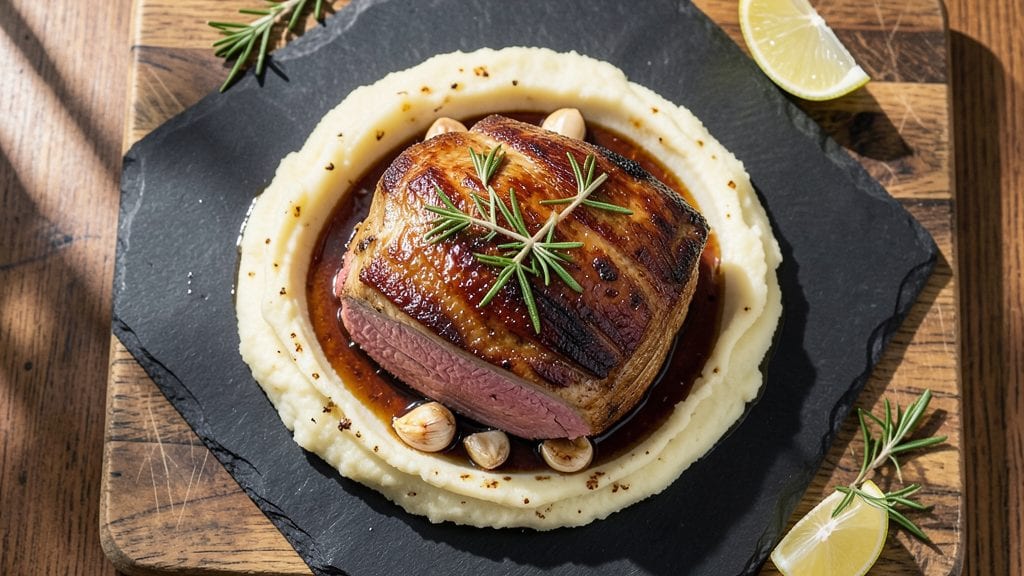
A perfectly cooked lamb loin roast delivers restaurant-quality results with its tender, juicy meat and aromatic herb crust—this recipe ensures you'll achieve that medium-rare core every time. The secret lies in precise temperature control and a carefully constructed herb crust that locks in moisture while creating a flavorful bark.
I've refined this method over years of testing, and it consistently delivers a roast that's impossible to resist.
This method requires minimal prep but delivers maximum flavor, with a 325°F oven working its magic to cook the lamb evenly. The herb crust—made with fresh rosemary, thyme, and garlic—adds depth without overpowering the natural richness of the lamb.
For best results, let the roast rest for 15 minutes after cooking, ensuring juices redistribute for that perfect tender bite.
What you'll end up with is a beautifully browned, herb-infused roast with a pink center that's juicy and succulent. The crust stays intact, giving every slice a burst of aromatic herbs, while the meat inside remains perfectly medium-rare.
This is the kind of dish that elevates any dinner table—elegant yet approachable, with a technique even home cooks can master.
Serve with roasted vegetables, a fresh herb salad, or a bold red wine reduction to complement the lamb's richness. The leftovers reheat beautifully, making this a practical choice for gatherings or special occasions alike. Let's get started on creating your perfect lamb loin roast.
Ingredients for lamb loin roast
Elevate your roast game with these premium ingredients for a lamb loin that's restaurant-worthy at home.
| Ingredient | Amount | Notes |
|---|---|---|
| Lamb Loin Roast 🐏 | 2 ½ lb | Bone-in, center-cut for even cooking |
| Fresh Rosemary Sprigs 🌿 | ½ cup | Finely chopped, organic preferred |
| Fresh Thyme Sprigs 🌿 | ¼ cup | Leaves only, stems removed |
| Garlic Cloves 🧄 | 6 cloves | Peeled, smashed for intense flavor |
| Extra-Virgin Olive Oil 🫒 | ¼ cup | High-quality, fruity variety |
| Kosher Salt 🧂 | 1 ½ tsp | Diamond Crystal preferred |
| Freshly Ground Black Pepper 🌶️ | 1 tsp | Coarse grind for texture |
| Dijon Mustard 🍯 | 1 tbsp | For herb crust adhesion |
| Unsalted Butter 🧈 | 2 tbsp | Softened, full-fat preferred |
| Red Wine 🍷 | ¼ cup | Dry Cabernet Sauvignon |
| Fresh Lemon Juice 🍋 | 1 tbsp | Brightens herb flavors |
| Honey 🍯 | 1 tbsp | For subtle sweetness |
| Shallots 🧅 | 2 whole | Minced for depth of flavor |
The lamb loin is non-negotiable here—bone-in, center-cut ensures even cooking and maximum flavor. Whole Foods or local butchers carry the best cuts, often labeled as 'frenched' for that elegant presentation. Look for vibrant color and good marbling. If you can't find center-cut, a thick-cut loin roast works too, but trim excess fat for a cleaner crust. The herbs should be freshly picked or organic—dried won't give that aromatic punch. I always buy extra rosemary because it's my favorite herb for lamb, and it keeps for weeks in the freezer.
No fresh rosemary? Substitute with 1 tbsp dried rosemary plus 1 tsp dried thyme, but you'll miss that piney freshness. Running low on red wine? Dry vermouth or even beef broth works in a pinch, though the depth won't be identical. The Dijon mustard is crucial—it helps the herb crust stick like glue. Whole Foods or specialty stores carry the best quality, but any good brand works. For the shallots, if you've got regular onions, use half the amount of finely minced yellow onion. The honey should be raw and local if possible—it adds a subtle complexity that store-bought can't match.
Prep the lamb 1 day ahead if possible—the flavors meld beautifully overnight. Vacuum-seal the roast with the herb paste and refrigerate for 24 hours. The crust mix keeps for 3 days in the fridge, but fresh is always best. For serving, let the roast rest 15-20 minutes—this is where the magic happens. The leftovers reheat spectacularly, but wrap tightly in foil to keep that medium-rare perfection. I always make extra crust mix to use on other proteins—it's that good.
Why You'll Love This Recipe
- Foolproof Timing: I swear by this—just sear the lamb in olive oil, slap on those rosemary and thyme sprigs, and let the oven do the work. No hovering, no guesswork, just 20 minutes of hands-off magic while you stir a pot of potatoes or toss a salad.
- Herb-Crusted Magic: That rosemary-thyme crust? It’s not just garnish—it sticks to the lamb like a flavor blanket, crisping just enough while keeping the inside tender. Honestly, I’ve tried fancier seasonings, but this combo hits different every time.
- Weeknight to Weekend: Same recipe feeds my exhausted self on a Tuesday or impresses guests on Saturday. The leftovers? Even better cold in sandwiches or reheated with a drizzle of olive oil. (Yes, even on a Tuesday night.)
- Budget-Friendly Luxury: Lamb loin might sound fancy, but it’s my go-to for feeling special without breaking the bank. A single roast stretches to meals for days, and the garlic and herbs cost pennies. My wallet and taste buds thank me.
Step-by-step instructions for herb-crusted lamb loin roast
This method delivers an incredible herb-crusted lamb loin with a perfect medium-rare core every time.
Prepare the Herb Crust Mixture
In a small bowl, combine the 0.5 cup fresh rosemary sprigs, 0.25 cup fresh thyme sprigs, 6 cloves garlic cloves (smashed), 1 tbsp Dijon mustard, 1 tbsp honey, and 1 tbsp fresh lemon juice. This aromatic blend forms the foundation of our flavorful crust. The Dijon mustard helps bind the herbs while the honey and lemon juice brighten the earthy flavors.
Next, add 1.5 tsp kosher salt, 1 tsp freshly ground black pepper, and 0.25 cup extra-virgin olive oil to the herb mixture. Mix thoroughly until you achieve a thick, paste-like consistency. The olive oil carries the flavors and creates that beautiful crust when seared. Set this mixture aside while you prepare the lamb.
Season and Sear the Lamb
Pat the 2.5 lb lamb loin roast completely dry with paper towels—this is absolutely critical for achieving a perfect crust. The drier the surface, the better the sear. Place the lamb on a cutting board and rub the herb mixture evenly over all sides, pressing firmly so it adheres. Let it sit at room temperature for 30 minutes while you preheat your oven.
Heat your oven to 400°F. In a large oven-safe skillet, melt the 2 tbsp unsalted butter over medium-high heat until it foams. Carefully add the lamb to the skillet and sear for 3-4 minutes per side until deeply golden brown. The butter will bubble vigorously—this creates that irresistible crust. You're looking for a rich, caramelized color that indicates perfect browning.
Roast to Perfect Medium-Rare
Transfer the skillet to the preheated oven and roast for 15-20 minutes for a medium-rare center (130-135°F internal temperature). The butter and herb crust will baste the lamb as it cooks, infusing it with incredible flavor. I use a meat thermometer for precision—this ensures you don't overcook the luxurious center.
While the lamb roasts, prepare a pan sauce by deglazing the skillet with 0.25 cup red wine and scraping up all those flavorful browned bits. Add the 2 whole minced shallots and cook for 2 minutes until softened. This sauce will complement the herb-crusted lamb beautifully.
Rest and Serve with Pan Sauce
Remove the lamb from the oven and transfer it to a cutting board. Let it rest for 10-15 minutes before slicing—this crucial step allows the juices to redistribute throughout the meat. Tent loosely with foil to keep it warm during resting. The internal temperature will rise about 5°F during resting, so don't be concerned if it reaches 135-140°F when you check.
After resting, slice the lamb against the grain into ½-inch thick portions. Spoon the shallot-wine sauce over the top and serve immediately. The herb crust should be fragrant and slightly crisp, while the interior remains tender and juicy with that perfect pink center. This elegant preparation delivers restaurant-quality results at home.
Pro Tips For Making Lamb Loin Roast
- Use a Meat Thermometer: I learned this the hard way—lamb loin can go from perfect to dry in seconds. Aim for 130-135°F internal temp (medium-rare), then pull it out. The residual heat keeps it juicy while the outside finishes crisping.
- Crush Garlic Cloves: Whole garlic cloves burn and leave you with bitter, undercooked flavor. Smash them flat with the side of your knife or a garlic press—just enough to expose the flesh so they infuse the oil without turning to ash.
- Don’t Overcrowd the Pan: I used to toss everything in at once, and the herbs just steamed instead of caramelizing. Sear the lamb first in a cold pan, then add the garlic and herbs in batches—this gives them room to brown and release their aroma.
- Rest Under Foil: Letting it sit on a cutting board is asking for trouble. Tent loosely with foil and rest for 10-15 minutes—this keeps the juices from pooling out while you prep sides. (Yes, even if you’re impatient like me.)
Make-ahead tips for this dish
Prep Ahead Strategy
The herb crust mixture can be made up to 3 days in advance and stored in an airtight container in the refrigerator. I like to prep this the night before so the flavors have time to meld together beautifully.
The lamb itself benefits from a 24-hour marinade—vacuum-seal the roast with the herb paste and refrigerate for maximum flavor infusion. This is especially helpful if you're hosting a dinner party and want to minimize last-minute stress. 💡
Oven Preheating Hack
Preheat your oven to 400°F while the lamb sits at room temperature—this ensures it enters the oven at the ideal temperature for even cooking. I recommend using an oven thermometer to verify accuracy, as home ovens can vary by up to 50°F.
For extra insurance, place the lamb on a wire rack over a baking sheet to allow air circulation on all sides. This helps create that perfect crust without steaming the meat. 🌡️
Resting Time Optimization
After roasting, let the lamb rest for 15-20 minutes before slicing—this is non-negotiable for juicy results. I often tent it loosely with foil and place it on a warm plate to maintain temperature.
For large gatherings, you can reheat sliced lamb in a 325°F oven for 10-15 minutes if needed, but the first slice should always come straight from the rest. The internal temperature will rise 5°F during resting, so aim for 130°F when you pull it from the oven. 💪
Sauce Prep Shortcut
Make the shallot-wine sauce ahead of time and store it in a small jar in the fridge. I often prepare this the night before and reheat it gently in a saucepan over low heat before serving.
If you're short on time, simply deglaze the skillet with red wine and shallots while the lamb rests—it takes just 5 minutes and adds that restaurant-quality touch. 🍷
Leftovers Revival
Leftover lamb loin reheats beautifully—wrap slices in foil and warm in a 325°F oven for 10-15 minutes or until heated through. For extra flavor, brush with a little olive oil and fresh herbs before reheating.
I also love using leftover herb crust on other proteins like chicken or pork chops—it's that versatile. Store leftovers in an airtight container for up to 4 days in the fridge. ❄️
Make-Ahead Serving Platter
For a stress-free dinner, assemble your serving platter ahead of time. Arrange sliced lamb on a platter with roasted vegetables and warm bread, then cover loosely with foil. Reheat everything together in the oven for 10 minutes before serving.
This works especially well for holiday meals or family gatherings where timing is critical. The herb crust stays fragrant and the lamb remains juicy when reheated this way. 🌟
Nutrition facts
Frequently asked questions
What's the ideal internal temperature for medium-rare lamb loin?
For a perfect medium-rare center, aim for 130-135°F internal temperature when pulled from the oven. The meat will rise about 5°F during resting, so don't be alarmed if it reaches 135-140°F after resting. Always use a meat thermometer for accuracy—this ensures juicy results every time.
Can I use bone-in or boneless lamb loin for this recipe?
This recipe works best with bone-in lamb loin as it stays moister and more flavorful. The bone also helps distribute heat evenly. However, if you must use boneless, choose a thick-cut roast (at least 1.5 inches thick) to prevent drying out. The cooking time remains similar, but monitor closely for doneness.
How do I prevent the herb crust from falling off?
Pat the lamb completely dry before applying the herb mixture—moisture is the enemy of a good crust! Press the paste firmly onto the meat and let it sit at room temperature for 30 minutes before searing. The Dijon mustard in the crust acts as a natural binder. If it still falls off, try adding 1 extra tbsp olive oil to thicken the paste.
What wine works best for the pan sauce if I don't have red wine?
Dry white wine (like Sauvignon Blanc) or even beef broth will work in a pinch, though red wine adds the best depth of flavor. For a non-alcoholic option, use grape juice reduced by half. The key is the acidity—it helps balance the richness of the lamb. Deglaze immediately after searing to capture all those flavorful browned bits.
Can I cook this in a conventional oven instead of a convection oven?
This recipe is designed for conventional ovens. The 400°F temperature ensures proper browning and even cooking. If your oven runs hot, reduce to 375°F and check the temperature after 15 minutes. Convection ovens can cook faster, so reduce temperature by 25°F if using one. Always use an oven thermometer to verify accuracy.