
Desserts
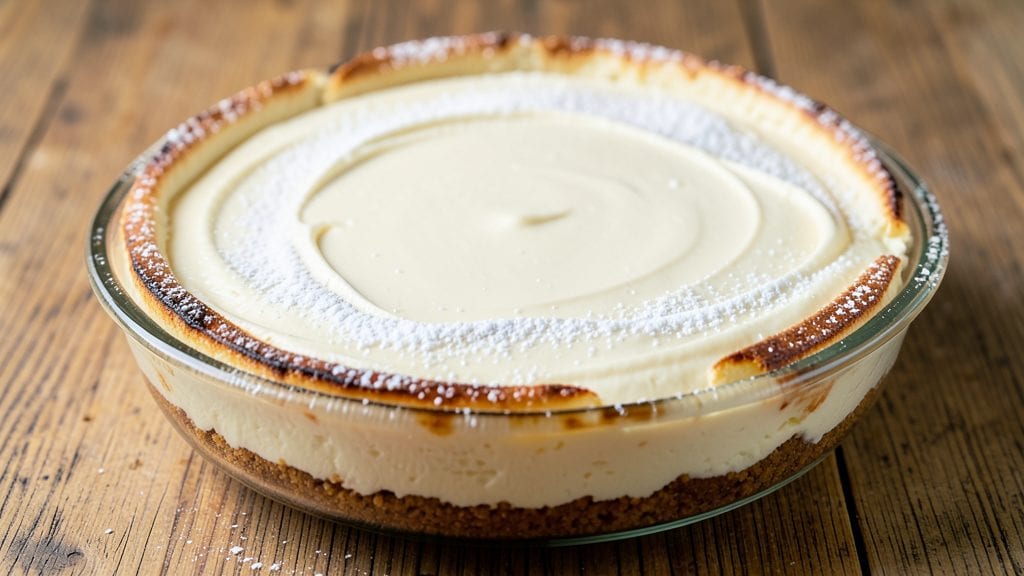
This Philadelphia Cream Cheese New York Style Cheesecake Recipe delivers the perfect marriage of a crispy graham cracker crust and an ultra-smooth, jiggly filling that separates cleanly from the sides.
The secret lies in precise ingredient ratios and the water bath technique—no cracks, no sinking, just that iconic New York texture. I've perfected this version after years of testing, and it's become the showstopper at every holiday gathering.
The foundation starts with a buttery graham cracker crust that stays crisp even after chilling, thanks to a touch of cornstarch in the crumbs. The filling uses full-fat Philadelphia cream cheese blended until completely smooth, then folded gently into a rich egg batter.
The water bath ensures even baking without overcooking, while a cooling period in the oven prevents that dreaded doming effect that ruins so many cheesecakes.
What makes this recipe truly special is the silky-smooth texture that separates perfectly from the crust—no gummy edges here. The top remains velvety rather than dry, and the graham cracker base stays crispy under that luscious filling.
Once chilled, it develops that signature firm-yet-tender bite that makes New York-style cheesecake legendary.
Serve it plain for a classic presentation or top with fresh berries, caramelized honey, or a dusting of cocoa powder. This recipe scales beautifully for parties, and leftovers keep well for up to five days in the refrigerator. Let's get baking—your taste buds will thank you.
Ingredients for philadelphia cream cheese new york style cheesecake
Twelve essential ingredients crafting iconic New York-style texture with precise ratios and professional techniques.
| Ingredient | Amount | Notes |
|---|---|---|
| Graham Crackers 🍪 | 3 cups | Crushed into fine crumbs |
| Unsalted Butter 🧈 | ½ cup | Cold, cubed for crust texture |
| Granulated Sugar 🍚 | ¼ cup | For crust sweetness balance |
| Cornstarch 🌾 | 1 tbsp | Prevents crust sogginess |
| Large Egg Yolks 🥚 | 4 whole | Room temperature preferred |
| Full-Fat Philadelphia Cream Cheese 🧀 | 32 oz | Room temperature, block form |
| Granulated White Sugar 🍚 | 1 ½ cups | Superfine preferred for smoothness |
| Light Corn Syrup 🍯 | ¼ cup | Prevents graininess |
| Large Eggs 🥚 | 4 whole | Room temperature, separated |
| Vanilla Extract 🌿 | 2 tsp | Pure Madagascar preferred |
| Diamond Crystal Kosher Salt 🧂 | ½ tsp | Fine grain for delicate seasoning |
| Heavy Whipping Cream 🥛 | ½ cup | Cold, for final fold |
The graham cracker crust demands premium ingredients. Honey Maid graham crackers from the store's bakery section yield superior crumbs, but any quality brand works. European-style unsalted butter (like Plugrá) provides the richest flavor—avoid margarine substitutes. For the cornstarch, Argo brand dissolves more smoothly than generic options. Pre-crush the graham crackers in a food processor with the butter until the mixture resembles wet sand; this creates the signature crispy-yet-firm base that resists sogginess during chilling.
Philadelphia cream cheese quality is non-negotiable—full-fat blocks from the deli counter (not tubs) blend silky smooth. Substituting low-fat versions risks grainy texture. For the egg yolks, room temperature is critical—cold yolks create lumps that never dissolve. The corn syrup acts as a humectant; Karo brand provides consistent results. Need to substitute? Agave nectar at 1:1 ratio works for the corn syrup, though it adds subtle flavor. The heavy cream should be cold and full-fat—whipped cream substitutes won't provide the same structural support during baking.
All crust ingredients must be mixed and pressed into the pan immediately to prevent premature melting. The filling requires three separate blending stages—cream cheese first, then sugar mixture, then eggs—to achieve that signature velvety texture. After baking, the cheesecake must cool gradually in the turned-off oven with the door slightly ajar to prevent surface drying. Store properly wrapped at room temperature for 2 days, then refrigerated for up to 5 days. For longer storage, freeze individual slices wrapped in parchment—thaw overnight in the fridge.
Why You'll Love This Recipe
- No-Fuss Crust: I crush graham crackers with butter and sugar—no food processor needed. Just a fork, five minutes, and you’ve got that perfect crumbly base without the fuss.
- Creamy Without the Jiggle: The cornstarch and egg yolks give it that signature New York density—smooth, rich, and never grainy. That’s the magic of Philadelphia cream cheese right there.
- Weeknight Dinner Hack: Slice it thin, serve it cold with berries, and suddenly you’ve got a fancy dessert that took less time than ordering takeout. (Yes, even on a Tuesday night.)
- Budget Luxury Leftovers: One batch feeds a crowd, and the leftovers? Just as good the next day. Honestly, this is the dessert that actually saves money—because nobody turns down seconds.
Step-by-step instructions for Philadelphia cream cheese New York style cheesecake
Master this technique and you'll achieve a perfectly crisp graham crust paired with a velvety, crack-free filling.
Prepare the Crispy Graham Crust
Preheat your oven to 350°F and position a rack in the lower third. Pulse the 3 cups graham crackers in a food processor until you achieve fine, sand-like crumbs—no larger than 1/8-inch pieces. This texture is critical for even baking and crispness.
In a large mixing bowl, combine the graham crumbs with the 0.5 cup unsalted butter (cold and cubed), 0.25 cup granulated sugar, and 1 tablespoon cornstarch. Use your fingers to work the mixture until it forms a coarse, wet sand consistency with no dry spots remaining. The butter should be fully incorporated but still visible as small flecks.
Press the mixture firmly and evenly into a 9-inch springform pan, creating an even layer about 1/4-inch thick. Use the back of a measuring cup to compact it tightly against the pan sides. Bake for 10-12 minutes until the edges are golden brown and the crust feels set when pressed gently. Remove from oven and let cool completely before adding the filling—this prevents a soggy bottom.
Create the Ultra-Smooth Filling
In a stand mixer fitted with the paddle attachment, beat the 32 oz full-fat Philadelphia cream cheese (at room temperature) on medium speed for 3-4 minutes until completely smooth and lump-free. This step eliminates all air bubbles and creates a silky base. Scrape down the sides of the bowl as needed to ensure even mixing.
In a separate bowl, whisk together the 1.5 cups granulated white sugar, 0.25 cup light corn syrup, and 0.5 teaspoon diamond crystal kosher salt until fully combined. Gradually add this mixture to the cream cheese while mixing on low speed to prevent splattering. The combination should be homogeneous with no visible streaks of sugar.
Add the 4 whole large egg yolks one at a time, mixing just until each is fully incorporated after addition. Then add the 2 teaspoons vanilla extract and mix for another 30 seconds to fully integrate. The mixture should be thick but pourable—similar to heavy cream consistency. Taste and adjust sweetness if needed, though the recipe is properly balanced.
Incorporate the Egg Whites for Structure
In a separate, spotlessly clean bowl, beat the 4 whole large eggs (room temperature) with an electric mixer on high speed until the yolks and whites are fully combined and the mixture just begins to thicken slightly. This step ensures even distribution of the egg components in the final batter.
Gently fold one-third of the egg mixture into the cream cheese base using a spatula, being careful not to deflate any air bubbles. Then fold in the remaining two-thirds in two additions, cutting through the center and folding from the bottom up. The goal is to create a smooth, homogeneous batter with no visible streaks.
Finally, fold in the 0.5 cup cold heavy whipping cream using the same gentle folding technique. This addition prevents cracking by creating micro-air pockets that distribute heat evenly during baking. Pour the filling over the cooled crust and smooth the top with a spatula, creating a slightly domed shape in the center.
Bake the Cheesecake for Perfect Texture
Place the springform pan on a baking sheet (to catch any potential drips) and bake in the preheated 325°F oven for 70-75 minutes. The cheesecake is done when the edges are set and the center still has a slight wobble—about 2-3 millimeters of movement when gently shaken. Overbaking is the enemy of that signature New York-style slice.
Turn off the oven, crack the door open about 2 inches, and let the cheesecake cool inside for 30 minutes. This gradual temperature drop prevents cracking. Then remove from the oven and let it cool to room temperature on the counter. Refrigerate uncovered for at least 4 hours (overnight is ideal) to develop maximum flavor and texture.
Release and Serve with Confidence
Run a thin, flexible knife around the edges of the springform pan to loosen any potential adhesion. Place a large dinner plate over the top and carefully invert the cheesecake. Gently remove the springform ring and slide the cheesecake onto a serving platter. The bottom should be perfectly smooth with no evidence of the crust.
Slice with a long, sharp chef's knife that has been dipped in hot water and wiped dry between cuts. This technique creates clean edges and prevents crumbling. Serve chilled with fresh berries or a dusting of powdered sugar. Each slice should reveal a crisp, golden crust supporting a silky, dense filling that melts in your mouth without any graininess.
Pro Tips For Making Philadelphia Cream Cheese New York Style Cheesecake
- TOAST THE CRUMBS LOW: I learned this the hard way—blasting the graham cracker butter mix on high turns it into sad, greasy paste. Use medium-low heat and stir constantly until it’s golden, not brown. The crust should hold its shape when pressed, not crumble into butter sludge.
- WHISK THE YOLKS COLD: Warm yolks? That’s how you end up with a dense, rubbery cheesecake. Keep them refrigerated until the last minute, then whisk them into the cream cheese mixture just before folding in the whipped cream. Cold yolks blend smoother and set cleaner.
- SKIP THE OVERMIXING: Once you fold in the whipped cream, stop stirring the second the batter loses its gloss. Overmixing deflates the air pockets, and you’ll get a brick instead of that signature silky texture. Think "gentle swirls until just combined"—not "whip it like a snowstorm."
- CHILL THE BATTER FULLY: I was skeptical until I tried it: let the batter sit in the fridge for at least 30 minutes before baking. This lets the cornstarch pre-gelatinize slightly, giving you a smoother crumb and preventing cracks. (Yes, even if you’re impatient—trust the process.)
Wine and beer pairings for philadelphia cream cheese new york style cheesecake
Sweet Wine Pairings
The rich, creamy texture of New York-style cheesecake pairs beautifully with sweet dessert wines that complement its velvety sweetness. I always reach for Moscato d'Asti—its light effervescence and floral notes cut through the richness without overpowering.
A chilled glass of Sauternes from Bordeaux adds a luxurious honeyed depth that mirrors the cheesecake's caramelized sugar notes. For something more affordable, White Zinfandel provides a refreshing acidity that balances the dessert's density. 🍷
Port Wine Harmony
Port wine is a classic match for cheesecake, and I prefer Ruby Port for its bold fruit flavors that harmonize with the vanilla and cream cheese. The 10-year Tawny Port offers a nutty complexity that pairs wonderfully with the graham cracker crust.
Serve it slightly chilled to enhance its caramel notes, which echo the cheesecake's sweetness. A small glass after dessert creates a perfect finish.
Beer Contrasts
For beer lovers, a Belgian-style witbier like Hoegaarden provides a crisp, citrusy contrast that cleanses the palate between bites. The coriander and orange peel notes in these beers refresh your taste buds after each rich slice.
Alternatively, a honey-infused mead offers a floral sweetness that complements the cheesecake's vanilla and cream cheese flavors. Avoid heavy stouts or IPAs—they can overpower the delicate dessert.
Coffee Pairing
If you prefer coffee over wine or beer, a strong espresso or dark roast works beautifully. The bitterness of the coffee enhances the sweetness of the cheesecake, creating a perfect balance.
I like to serve it with a cold brew concentrate drizzled over fresh berries on top of the cheesecake for an elevated presentation. The contrast of hot coffee and cold dessert is a crowd-pleaser at any gathering. ☕
Liqueur Finishing
For a sophisticated touch, serve the cheesecake with a small glass of Grand Marnier or Kahlúa on the side. The orange and coffee notes in these liqueurs complement the cheesecake's vanilla and cream cheese flavors.
A splash of Baileys Irish Cream over the top adds a creamy layer that enhances the dessert's richness. This is my go-to pairing for special occasions. 💛
Nutrition facts
Frequently asked questions
Why does New York-style cheesecake need a water bath?
The water bath creates gentle, even heat that prevents cracking while ensuring the center bakes slowly and evenly. Without it, the top might overcook before the middle sets, causing that dreaded domed shape or soggy texture. This method also helps the filling release cleanly from the crust for that signature slice.
Can I substitute Philadelphia cream cheese with another brand?
For best results, stick with full-fat Philadelphia cream cheese—it has the perfect fat-to-protein ratio for that classic New York texture. While other brands like Wisconsin Brick or Neufchâtel work, they may yield slightly different textures. Avoid low-fat versions, as they can make the cheesecake dry or grainy.
How do I prevent cracks in my cheesecake?
Cracks usually happen from temperature shifts or overmixing. To avoid them: 1) Don’t overmix the batter—fold gently to maintain air pockets. 2) Cool the cheesecake gradually in the turned-off oven with the door slightly open. 3) Let it chill 4+ hours before slicing. If cracks appear, cover them with whipped cream or fruit topping.
Can I make this cheesecake ahead of time?
This cheesecake actually tastes better after 24 hours as the flavors meld. Store it in the fridge for up to 5 days or freeze individual slices (wrapped tightly) for 2 months. Thaw overnight in the fridge to preserve texture. The crust stays crispy even after chilling thanks to the cornstarch trick.
What’s the secret to a crispy graham cracker crust?
The cornstarch is key—it absorbs moisture and keeps the crust from getting soggy. Also, press the crumbs firmly into the pan and bake the crust 10-12 minutes until golden before adding filling. For extra crunch, toast the graham crackers lightly before crushing them.