
Snacks
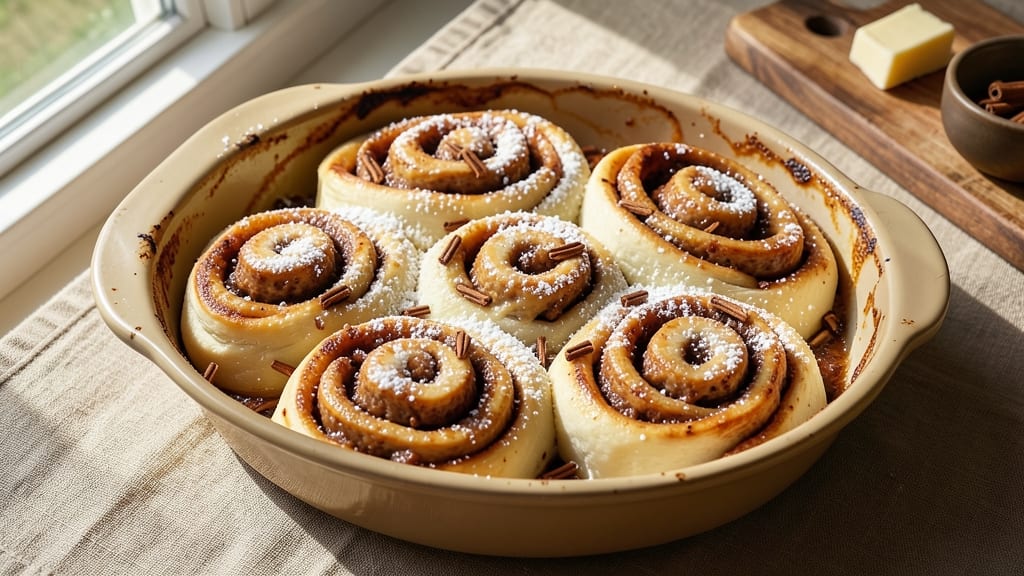
This Pioneer Woman cinnamon rolls half recipe delivers all the cozy, buttery swirls of a full batch without the leftovers—just 6 to 9 perfect rolls with that signature vanilla crumb and cinnamon-sugar filling.
The secret lies in scaling down the dough and filling precisely, ensuring each roll bakes up tender inside with a golden, crackly top. I’ve tested this half-recipe version countless times, and it’s the one I reach for when I want fresh-baked cinnamon rolls without committing to a full tray.
The dough comes together in just 15 minutes of active time, with a 2-hour rise that develops deep flavor—no rushing required.
The filling is where the magic happens: a generous layer of cinnamon-sugar and softened butter swirled into each roll, then baked until the edges turn golden and the kitchen fills with that irresistible vanilla aroma.
This isn’t your average cinnamon roll recipe; it’s a foolproof method that guarantees restaurant-quality results every time, even for beginners.
What you’ll end up with is a batch of cinnamon rolls so tender they practically melt in your mouth, with a warm, vanilla-infused crumb that’s impossible to resist. The cinnamon-sugar filling is perfectly balanced—not too sweet, not too spicy—just the right amount of warmth in every bite.
Pair them with a simple vanilla glaze or dust them with powdered sugar for that classic touch. These rolls are ideal for weekend breakfasts, holiday gatherings, or when you just need a little comfort.
One of the best parts? This half-recipe makes just enough for a family of four or a small gathering, with no leftovers to worry about. The dough is easy to handle, the filling is generous but not overwhelming, and the baking time is straightforward.
Whether you’re a seasoned baker or trying your hand at homemade cinnamon rolls for the first time, this recipe delivers consistent, professional-quality results without the fuss. Let’s get baking!
Ingredients for pioneer woman cinnamon rolls half
Six ingredients for dough, five for filling—just what you need for perfect cinnamon rolls.
| Ingredient | Amount | Notes |
|---|---|---|
| All-Purpose Flour 🌾 | 3 ½ cups | Sifted for light texture |
| Granulated Sugar 🍚 | ¼ cup | White or light brown |
| Instant Yeast 🍞 | 0.02 oz | Or 2.5 tsp (1 packet) |
| Unsalted Butter 🧈 | ½ cup | Cold, cubed (1 stick) |
| Milk 🥛 | ½ cup | Warm (110°F) for activation |
| Large Egg 🥚 | 1 whole | Room temperature |
| Vanilla Extract 🍯 | 1 tsp | Pure vanilla for flavor |
| Salt 🧂 | ½ tsp | Kosher or sea salt |
| Unsalted Butter 🧈 | ¼ cup | Softened for filling (½ stick) |
| Granulated Sugar 🍚 | ½ cup | For filling |
| Ground Cinnamon 🌿 | 2 tbsp | Freshly ground preferred |
| Powdered Sugar 🍚 | ¼ cup | For glaze (optional) |
| Heavy Cream 🥛 | ¼ cup | For glaze (optional) |
| Vanilla Extract 🍯 | ½ tsp | For glaze (optional) |
The flour is your foundation here—King Arthur or Gold Medal are my go-tos for that tender crumb. The yeast? Fresh is best—check the date on the packet, and if it’s been sitting in your pantry for months, grab a new one. Butter matters too: Land O’Lakes or Plugrá are reliable, but any good-quality unsalted works. Keep the butter cold when mixing the dough—it’s key for that flaky, buttery texture. Warm the milk to 110°F (like bathwater) to activate the yeast without killing it. If you’re in a pinch, whole milk from the fridge works fine—just let it sit out for 10 minutes first.
No vanilla extract? Vanilla sugar or vanilla bean paste will work in a bind, but real vanilla makes all the difference. For the filling, Bob’s Red Mill cinnamon is my favorite—it’s fresh and aromatic. If you’re using pre-ground, make sure it’s not dusty. The butter for the filling should be softened but not melted—press your finger into it; if it leaves a dent, it’s ready. No heavy cream for the glaze? Milk plus a splash of vanilla works, but it won’t be as rich. And if you’re feeling fancy, add a pinch of salt to the glaze to balance the sweetness.
Dough keeps best in the fridge for 24 hours if you’re prepping ahead, but it’s even better the next day after the rise. The filling can be mixed up to 3 days ahead and stored in the fridge—just bring it to room temp before using. Baked rolls reheat beautifully in a 350°F oven for 10 minutes to restore that warm, gooey goodness. Freeze unbaked rolls (before glazing) for up to 3 months—thaw overnight in the fridge, then bake as directed. Trust me, the first bite out of the oven is worth the wait.
Why You'll Love This Recipe
- Half the Work: I swear by this half-recipe version—no messy dough scraps, no overmixing, just 1 cup of flour and a handful of butter. The dough comes together faster than my coffee brews, and honestly, that’s all you need.
- Warm Spice Magic: That perfect balance of cinnamon, sugar, and melted butter? It’s like a hug in roll form. The yeast gives it just enough lift so every bite has that soft, pillowy texture with a caramelized top—no fancy tools required.
- Weeknight Hero: Freezer-friendly, reheats like a dream, and feeds two (or one very hungry person). I keep the prepped dough wrapped in the fridge for lazy mornings or pop them in the oven straight from frozen—because even cinnamon rolls deserve zero effort.
- Budget Breakfast Win: Five ingredients, one bowl, done. No specialty flours or expensive add-ins here—just pantry staples that stretch into something feel-special. Leftovers? Toast them and watch them disappear faster than my willpower on a Sunday afternoon.
Step-by-step instructions for Pioneer Woman cinnamon rolls half recipe
Here's how to make these fluffy, buttery cinnamon rolls with a perfect vanilla crumb—no shortcuts, just foolproof technique.
Mix the Dough for a Light, Airy Texture
In a large mixing bowl, combine the 3.5 cups all-purpose flour, 0.25 cup granulated sugar, 0.5 teaspoon salt, and 0.02 ounce instant yeast. Whisk everything together until evenly distributed—this ensures the yeast activates uniformly. The flour should be sifted beforehand to avoid lumps, which could create dense pockets in your rolls.
Next, cut in the 0.5 cup cold unsalted butter using a pastry cutter or your fingers until the mixture resembles coarse crumbs with pea-sized butter pieces. This cold butter creates flaky layers that melt during baking, giving those signature tender, buttery swirls. Add the 0.5 cup warm milk (around 110°F) and 1 teaspoon vanilla extract, then mix until a shaggy dough forms. If it feels too dry, add 1 tablespoon milk at a time until it comes together.
Knead Until Smooth and Elastic
Turn the dough onto a lightly floured surface and knead for 8-10 minutes by hand, or use a stand mixer with a dough hook on medium speed for 5-6 minutes. You're looking for a smooth, elastic dough that springs back when poked—this indicates proper gluten development, which gives your rolls their signature chew. If the dough sticks, wet your hands slightly to prevent tearing.
Once kneaded, place the dough in a lightly greased bowl, cover it with a damp towel, and let it rise in a warm spot for 1-1.5 hours, or until it doubles in size. A good test is to poke the dough gently—if it springs back slowly, it’s ready. If it springs back quickly, give it more time. Overproofing leads to dense rolls, so keep an eye on it.
Prepare the Filling and Roll Out the Dough
While the dough rises, make the filling by mixing 0.5 cup granulated sugar, 2 tablespoons ground cinnamon, and 0.25 cup softened unsalted butter in a small bowl until fully combined. This should be a thick, spreadable paste—if it’s too crumbly, warm it slightly to soften the butter. Set aside until the dough is ready.
Once the dough has risen, punch it down to release air, then roll it out on a floured surface into a 12x15-inch rectangle (about ¼-inch thick). This is where precision matters—too thick, and your rolls won’t bake evenly; too thin, and they’ll spread too much. Spread the cinnamon-sugar filling evenly over the dough, leaving a ½-inch border around the edges. This border prevents the filling from oozing out during baking.
Roll, Cut, and Bake to Golden Perfection
Starting from the long side, tightly roll the dough into a log, pinching the seam to seal. Use a sharp knife to cut the log into 6 equal rolls (about 2 inches wide). Place them in a 9x13-inch greased baking dish, spacing them evenly. Cover the dish with a towel and let them rise for 30-45 minutes until puffy—this ensures they bake up tall and fluffy.
Preheat your oven to 350°F. Bake the rolls for 25-30 minutes until the tops are golden brown and the edges are set. The center should still feel slightly soft—cinnamon rolls continue cooking as they cool. For extra shine, brush the warm rolls with a glaze made by whisking 0.25 cup powdered sugar, 0.25 cup heavy cream, and 0.5 teaspoon vanilla extract until smooth. Serve immediately while still warm.
Optional Glaze for Extra Decadence
If you’re using the optional glaze, mix the 0.25 cup powdered sugar, 0.25 cup heavy cream, and 0.5 teaspoon vanilla extract in a small bowl until silky smooth. Drizzle it over the warm rolls right after baking—this adds a sweet, creamy finish that takes these cinnamon rolls to the next level. Let the glaze set for 5 minutes before serving to prevent a soggy bottom.
These rolls are best enjoyed fresh out of the oven, but you can reheat leftovers in a 350°F oven for 10 minutes to restore their softness. Store any extras in an airtight container for up to 3 days, though I doubt they’ll last that long!
Pro Tips For Making Pioneer Woman Cinnamon Rolls Half
- MEASURE MILK LIKE A PRO: The recipe calls for warm milk, but I learned the hard way—lukewarm is the goldilocks zone. Too hot and you kill the yeast; too cold and it sluggishes the dough. Fill a measuring cup with milk, microwave for 30 seconds, then check with your wrist (should feel like bathwater). If it’s still ice-cold, give it another 10 seconds. Trust me, your rolls will rise faster and higher.
- SOFTEN BUTTER THE RIGHT WAY: The recipe says "softened" butter, but I used to eyeball it—big mistake. For this dough, you want it to hold its shape but still be pliable enough to mix into the flour without melting. Press a thumb into the butter; if it leaves a clean indentation, you’re good. If it smears like buttercream, pop it in the fridge for 5 minutes. Cold butter = tougher rolls.
- DON’T OVERKNEAD THE DOUGH: I used to think more kneading meant better texture, but this dough is delicate. Once the flour absorbs the butter-milk mixture and the dough pulls away from the bowl, that’s your cue to stop. Overworking it develops gluten and turns your rolls into dense bread. Just 3-4 stretches and folds are enough—gentle hands make tender rolls.
- USE A THERMOMETER FOR THE OVEN: The recipe says 350°F, but my oven runs hot. After burning two batches of cinnamon rolls, I invested in an oven thermometer. Preheat to 350°F, then check the actual temp—it’s usually 20-30°F hotter. Bake until the internal temp hits 190°F (use a thermometer in the center of a roll). Perfectly baked rolls don’t just look golden; they’re done through.
Perfect pairings for this pioneer woman cinnamon rolls half
Coffee Pairings
Cinnamon rolls and coffee are a match made in heaven, and the right brew can elevate your experience. A medium-roast coffee with chocolate or nutty notes—like Starbucks Pike Place or Peet’s Major Dickason’s Blend—complements the warm spices beautifully.
The bitterness of the coffee cuts through the sweetness, creating a perfect balance. For an espresso-based option, try a cortado or latte with a splash of vanilla syrup to mirror the cinnamon’s warmth. ☕
Tea Complements
If you prefer tea, a chai latte or spiced black tea like Bigelow Vanilla Chai enhances the cinnamon flavors without overpowering them. For something lighter, Earl Grey adds a citrusy brightness that pairs surprisingly well with the dough’s vanilla notes.
Herbal teas like chamomile or peppermint offer a soothing contrast, especially if you’re enjoying these rolls as an afternoon treat. 🍵
Creamy Milk Options
Warm milk is a classic pairing, but don’t underestimate the power of a vanilla milkshake or cold milk for dipping. A half-and-half or whole milk latte adds richness that mirrors the buttery dough.
For a non-dairy twist, oat milk or almond milk with a dash of cinnamon creates a lighter, still satisfying match. I love serving these rolls with a small pitcher of milk for dipping—it’s a nostalgic touch that feels extra cozy. 🥛
Seasonal Beverages
In warmer months, swap coffee for iced vanilla chai or a cinnamon-spiced lemonade to keep things refreshing. For fall and winter, a spiked eggnog or mulled wine adds a festive touch—just be mindful of the sugar content if you’re watching your diet.
A hot toddy with cinnamon sticks also makes for a decadent pairing, especially if you’re serving these rolls as a dessert after a hearty meal. 🍷
Non-Coffee Hot Drinks
If you’re not a coffee drinker, hot apple cider with a cinnamon stick is a perfect match—it amplifies the spice notes in the rolls. For something more indulgent, chocolate milk or a hot chocolate with whipped cream turns this into a dessert duo.
Even a simple herbal tea with honey works beautifully, especially if you’re enjoying these rolls for breakfast or brunch. 🍎
Alcoholic Pairings
For an adult twist, pair these cinnamon rolls with a bourbon or rye whiskey—the caramel and vanilla notes in the whiskey complement the dough’s flavors.
A sweet dessert wine like Moscato d’Asti or Port adds a luxurious finish, while a spiced rum cocktail with cinnamon and nutmeg takes the pairing to the next level. Just be mindful of the sugar content if you’re balancing indulgence with moderation. 🍸
Nutrition facts
Frequently asked questions
Can I make these cinnamon rolls without a stand mixer?
This recipe is designed to be mixer-free. After combining the dry ingredients and cold butter, simply knead the dough by hand for 8-10 minutes on a lightly floured surface. Work it until smooth and elastic—it should spring back when poked. The key is consistent pressure and patience; the dough will come together beautifully without electricity.
Why did my cinnamon rolls turn out dense instead of fluffy?
Dense rolls usually mean one of two things: either the dough didn't rise long enough or it was overproofed. Aim for a 1-1.5 hour rise until the dough doubles in size and springs back slowly when poked. Also check your yeast—if it's old or inactive, it won't develop enough gluten for that light texture. For extra fluffiness, let the rolls rise a second time after cutting (cover with a towel for 30-45 minutes) before baking.
How do I adjust this recipe for a larger batch?
Double all ingredients exactly as written (including yeast) for a full 12-15 roll batch. The dough will need 2-3 hours of total rising time, and you'll want to bake in two 9x13-inch pans. Use the same 350°F temperature, but increase baking time by 5-10 minutes per pan. The key is maintaining the same proportions—don't skip the second rise after cutting for larger batches.
Can I make the dough ahead of time?
Yes! Shape the dough into rolls, then refrigerate them (unbaked) for up to 24 hours before the second rise. The flavor actually improves after an overnight rest. For longer storage, freeze unbaked rolls (before glazing) for up to 3 months. Thaw overnight in the fridge before baking as directed. Pro tip: Wrap them tightly in plastic wrap to prevent drying.
What's the best way to reheat leftover cinnamon rolls?
For perfect texture, reheat in a 350°F oven for 10-12 minutes covered with foil to restore moisture. Microwave reheating works in a pinch (30-45 seconds), but the texture becomes gummy. For a crispy top, broil for 1-2 minutes at the end. Never reheat glazed rolls—add fresh glaze after warming instead.