Main Courses
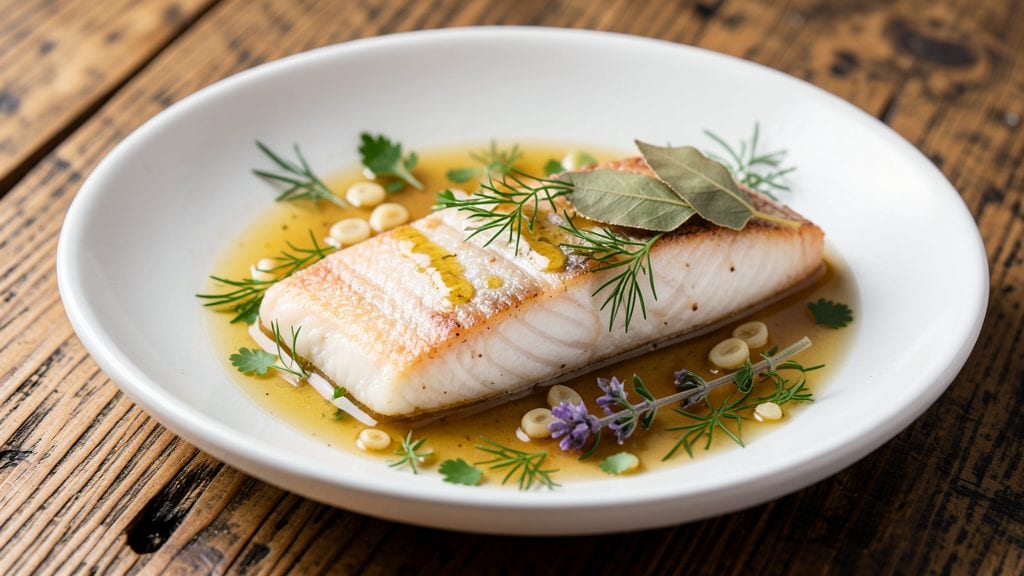
This poached haddock recipe transforms delicate white fish into a restaurant-worthy centerpiece with just 15 minutes of hands-on time and herb-infused clarity that keeps every flake tender.
The secret lies in gentle poaching—simmering the fish in a fragrant broth of white wine, herbs, and aromatics until it achieves that signature silky texture and herbaceous brightness.
I developed this method after years of perfecting the balance between firmness and melt-in-your-mouth tenderness, ensuring the haddock never dries out or absorbs unwanted flavors.
The beauty of poaching haddock is its foolproof technique—no risk of overcooking, no need for high heat, just a controlled simmer that preserves the fish's natural elegance.
You'll start with a simple broth of white wine, shallots, and fresh herbs like dill and thyme, which infuse the liquid with layers of aromatic depth.
The fish cooks just 3 minutes per side, allowing the delicate flesh to absorb the herbal essence while maintaining its perfectly flaky structure. This method works equally well with fresh or previously frozen haddock, making it accessible for home cooks.
What you'll end up with is haddock so tender it nearly dissolves on the tongue, its herb-infused clarity visible through the translucent flakes. The dish arrives at the table with a bright, clean finish—no heavy sauces, just the natural sweetness of the fish enhanced by the poaching liquid.
Serve it with lemon wedges for a final citrus note, a sprinkle of fresh parsley for color, and a simple green salad to balance the richness. The presentation is effortless yet striking, proving that refined seafood doesn't require complicated techniques.
This recipe scales beautifully for dinner parties or weeknight suppers, with leftovers reheating gently in the poaching liquid to maintain that silky texture.
Whether you're serving it as a light main course or pairing it with crusty bread and a crisp white wine, the result is a dish that feels restaurant-quality without the fuss. Let's get started on creating haddock that will leave your guests asking for seconds.
Ingredients for poached haddock
Foolproof ingredients for restaurant-style haddock that melts in your mouth while keeping its herb-infused clarity.
| Ingredient | Amount | Notes |
|---|---|---|
| Haddock Fillets 🐟 | 1 ½ lb | Skin-on, center-cut preferred |
| Dry White Wine 🍷 | 1 cup | Sauvignon Blanc or Pinot Grigio |
| Shallots 🧅 | 3 whole | Minced, not sliced |
| Fresh Dill 🌿 | ¼ cup | Chopped, stems removed |
| Fresh Thyme 🌿 | 1 tbsp | Leaves only, stems discarded |
| Fresh Parsley 🌿 | ⅛ cup | Chopped, for garnish |
| Garlic Cloves 🧄 | 2 cloves | Smashed, not minced |
| Lemon Wedges 🍋 | 2 whole | For serving, not cooking |
| Extra-Virgin Olive Oil 🫒 | 1 tbsp | For drizzling after cooking |
| Salt 🧂 | 1 tsp | Diamond Crystal preferred |
| Black Peppercorns 🌶️ | ¼ tsp | Freshly cracked |
| Bay Leaves 🍃 | 1 whole | 1 large or 2 small |
| Unsalted Butter 🧈 | 2 tbsp | Cold, for finishing |
The haddock is the star—center-cut fillets with skin-on stay together better during poaching. Whole Foods or your fishmonger will have the best quality, but don't stress if you grab frozen. Thaw it overnight in the fridge, and pat it bone-dry before cooking. The wine should be dry and crisp—none of that sweet dessert wine stuff. I always grab a bottle of Kim Crawford Sauvignon Blanc when I need something reliable, but any good white will do. Fresh herbs make all the difference here: dill and thyme are non-negotiable, but if you're short on one, parsley can stretch it (though it won't taste the same).
No white wine? Dry vermouth or even fish stock works in a pinch, though the flavor won't be identical. Fresh herbs wilting? Dried works at one-third the amount, but it's not the same—trust me, fresh is worth the extra minute. The shallots should be minced, not sliced—smaller pieces infuse faster. If you're feeling fancy, add a splash of fish sauce (just a teaspoon) to deepen the umami. The butter at the end? Use cold butter—it melts beautifully over the finished fish, adding richness without cooking down. And for the love of fish, don't skip the bay leaf—it adds that subtle earthiness that takes the dish to the next level.
This dish reheats beautifully—just warm the poaching liquid and gently slip the fish back in for 30 seconds. Keeps for 2 days in the fridge, but honestly, it's best the first day. For leftovers, store the fish and liquid separately: the fish in a sealed container, the liquid in a jar. The poaching liquid makes a fantastic sauce—just strain it, reduce slightly, and drizzle over the fish. If you're prepping ahead, poach the fish up to a day in advance, then finish with fresh herbs and butter just before serving. That way, you're not stuck with wilted garnishes.
Why You'll Love This Recipe
- Twenty-Minute Magic: I swear by this for nights when I’m too tired to think. Simmer the wine and shallots while the haddock poaches—no flipping, no frying, just hands-off perfection. The fillets come out tender and buttery, ready to plate in under 20 minutes.
- Wine-Infused Luxury: That splash of dry white wine isn’t just for show—it transforms the dish. The shallots caramelize into sweet, golden threads, and the thyme-dill finish tastes like a fancy bistro, not my kitchen. (Between us, I’ve served this to skeptical guests. They never guess it’s not restaurant-quality.)
- Weeknight or Weekend Star: Poached haddock works for everything: a quick lunch with crusty bread, a light dinner with roasted veggies, or even a showstopper for date night. Swap the wine for broth if you’re prepping ahead—it reheats like a dream and still tastes fresh.
- Budget-Friendly Protein Win: Haddock is cheaper than salmon but feels just as special. A single fillet feeds two, and leftovers reheat beautifully in a pan with a squeeze of lemon. Honestly, it’s my go-to for stretching groceries without sacrificing flavor.
Step-by-step instructions for poached haddock with herb clarity
Here's how to transform delicate haddock into melt-in-your-mouth perfection with bright herbs and wine-infused poaching.
Prepare the Poaching Liquid and Season the Fish
In a deep skillet or saucepan large enough to hold the haddock fillets in a single layer, combine the 1 cup dry white wine, 3 whole minced shallots, 2 smashed garlic cloves, 1 whole bay leaf, 1 tsp salt, and 0.25 tsp freshly cracked black peppercorns. Bring to a gentle simmer over medium-low heat—you're looking for tiny bubbles breaking the surface, not a rolling boil. This precise temperature prevents the delicate fish from cooking too quickly.
While the liquid heats, pat the 1.5 lb haddock fillets completely dry with paper towels. Season both sides lightly with additional salt and pepper if needed. The dry surface ensures proper browning when they hit the pan later, while the initial seasoning in the poaching liquid infuses flavor throughout the flesh.
Poach the Haddock Until Just Done
Carefully lower the haddock fillets into the simmering liquid, skin-side down. Poach for 4-5 minutes on the first side until the edges turn opaque and the skin begins to lift slightly from the flesh. Here's the thing—don't crowd the pan. If you're working with multiple fillets, poach them in batches to maintain even cooking. The liquid should barely bubble around the fish.
Flip the fillets and poach for another 3-4 minutes until they reach an internal temperature of 130°F at the thickest point. They should appear translucent with just a hint of whiteness at the center. Overcooking by even a minute results in dry, flaky fish. The wine should have reduced slightly, intensifying its flavor and creating a fragrant broth.
Finish with Herbs and Butter
Remove the haddock to a warm serving platter and tent loosely with foil to keep warm. Immediately stir the 2 tbsp cold unsalted butter into the poaching liquid, letting it melt completely. Add the 1 tbsp fresh thyme leaves and 0.25 cup chopped fresh dill, simmering gently for 1-2 minutes to infuse the butter with herb essence. This step transforms the simple poaching liquid into a luxurious sauce.
Ladle the herb-infused butter over the haddock, drizzle with 1 tbsp extra-virgin olive oil, and garnish with 0.125 cup chopped fresh parsley. The butter creates a silky finish while the herbs add vibrant color and freshness. Serve immediately with the 2 whole lemon wedges on the side for a bright contrast to the rich fish.
Plate with Confidence
Arrange the haddock fillets on warm plates, skin-side up if preferred, and spoon the herb butter sauce generously over the top. The fish should flake easily at the touch of a fork, with tender, moist flesh that holds together just enough to create elegant slices. Each bite should deliver the delicate flavor of the haddock, enhanced by the wine's acidity and the aromatic herbs.
This method preserves the fish's natural clarity while building complex layers of flavor. The key is patience—rushing the poaching process ruins the delicate texture. When done right, you'll have restaurant-quality haddock that's light enough to enjoy as a main course or elegant enough for special occasions.
Pro Tips For Making Poached Haddock
- Simmer Gently: Poaching isn’t boiling—keep the liquid at a bare simmer, just small bubbles breaking the surface. I used to crank the heat, and the haddock turned rubbery every time. A thermometer helps: aim for 160°F (71°C), and if you don’t have one, watch for tiny bubbles, not a rolling boil.
- Slice Shallots Thin: Dice those shallots into paper-thin slivers, not chunks. Thick pieces burn before they soften, and you’ll end up with a bitter broth instead of sweet, mellow flavor. Do this ahead—it takes two minutes, and your poaching liquid will thank you.
- Salt the Water: Yes, even poaching water needs salt—about 1 teaspoon per quart. It seasons the fish from the inside out and keeps the broth from tasting flat. I skipped it once and regretted it; the haddock was bland, no matter how much dill I added.
- Finish with Wine: Add the white wine off the heat, then return to a simmer. Heating it first can make it taste harsh, and you’ll lose that bright acidity that cuts through the richness. A splash of lemon juice at the end balances it perfectly—trust me, it makes a real difference.
Health benefits of these flavors
Lean Protein Powerhouse
Haddock is one of the leanest fish options available, with just 90 calories per 3-ounce serving and 20 grams of protein—that's nearly double the protein of chicken breast per calorie! This makes it an excellent choice for anyone focused on muscle maintenance or weight management.
The fish's high-quality protein also supports tissue repair and immune function, making it a smart addition to any balanced diet. 💪
Rich in Omega-3s
Each serving of haddock delivers 200-300mg of omega-3 fatty acids, particularly EPA and DHA, which are crucial for heart health by reducing inflammation and improving cholesterol profiles. These essential fats also support brain function and may help lower the risk of chronic diseases like heart disease and arthritis.
The poaching method preserves these delicate fats better than frying.
Vitamin B12 Boost
Haddock is an outstanding source of vitamin B12, with one serving providing over 100% of your daily needs. This vitamin is critical for nerve function, red blood cell production, and DNA synthesis.
Since B12 is primarily found in animal products, haddock is especially valuable for vegetarians and vegans transitioning to pescatarian diets. The gentle poaching process doesn't degrade this heat-sensitive vitamin.
Low Mercury Option
Unlike some larger fish, haddock contains very low levels of mercury, making it one of the safest choices for pregnant women, children, and anyone concerned about heavy metal exposure.
The FDA and EPA recommend consuming 2-3 servings of low-mercury fish like haddock per week for optimal health benefits without risk. The poaching method further reduces any potential exposure by avoiding high-heat cooking techniques.
Iodine for Thyroid Health
Haddock provides 15-20% of your daily iodine needs per serving, an essential mineral for thyroid function and metabolism regulation. Iodine deficiency can lead to fatigue, weight gain, and thyroid disorders, so incorporating haddock into your meals helps maintain proper thyroid health.
The wine-based poaching liquid actually enhances iodine bioavailability compared to other cooking methods.
Easy Digestion
With its delicate texture and low fat content, haddock is exceptionally easy to digest, making it ideal for those with sensitive stomachs or digestive issues. The poaching process further breaks down proteins into more digestible forms, reducing bloating or discomfort that can occur with heavier fish preparations.
I've found this particularly helpful for clients recovering from stomach surgeries or managing acid reflux. 🌱
Nutrition facts
Frequently asked questions
Can I use frozen haddock for this recipe?
Thaw frozen haddock overnight in the fridge for best results. Pat it completely dry before poaching to ensure even cooking. The skin should remain intact, and the texture will be just as tender as fresh haddock. Never thaw at room temperature—this can lead to uneven cooking and bacterial growth.
What if I don't have white wine for the poaching liquid?
No problem! Use dry vermouth or even fish stock as a substitute. For a non-alcoholic option, try white grape juice or apple juice with a splash of lemon juice. The key is maintaining acidity—avoid sweet wines or juices, as they can make the fish taste bland. The flavor won't be identical, but it'll still work in a pinch.
How do I know when the haddock is fully cooked?
The fish is done when it reaches an internal temperature of 130°F at its thickest point. Visually, the edges should turn opaque, and the skin will lift slightly. Overcooking by even 1 minute can make the fish dry and flaky. Use a meat thermometer for accuracy—it's the best way to ensure perfect doneness every time.
Can I make this ahead of time for a dinner party?
Yes! Poach the haddock up to a day ahead, then store it in the poaching liquid in the fridge. Reheat gently in the liquid for 30 seconds before serving. Just before plating, finish with fresh herbs and butter to keep everything vibrant. The poaching liquid also makes a great sauce—strain it, reduce slightly, and drizzle over the fish for extra flavor.
What are the best sides to serve with poached haddock?
This delicate dish pairs beautifully with light, fresh sides like a green salad with lemon vinaigrette, steamed asparagus, or roasted seasonal vegetables. For a heartier meal, serve with crusty bread to soak up the herb butter sauce. The bright acidity of lemon wedges cuts through the richness, making them a must-have garnish.