
Main Courses
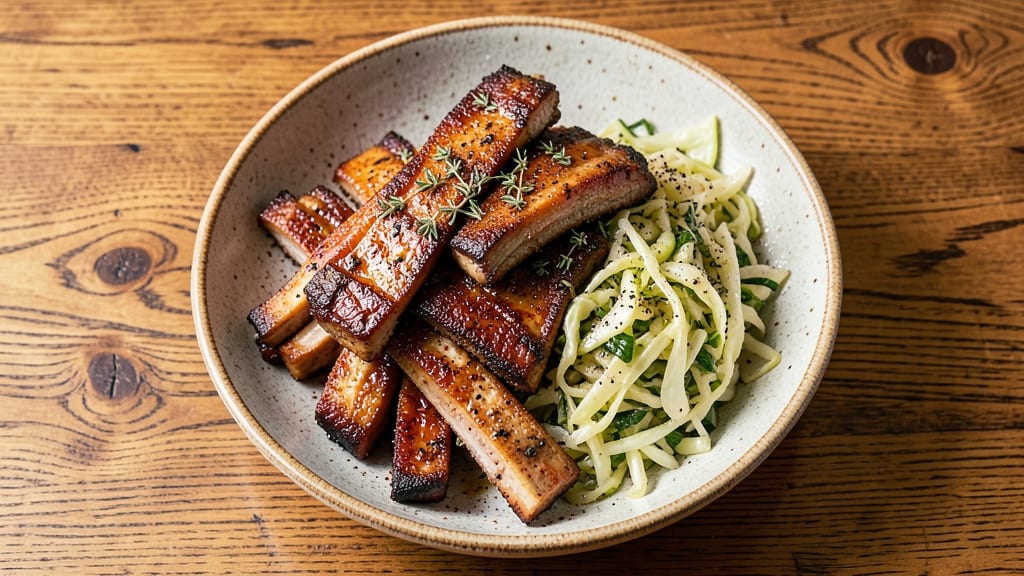
This spare ribs and sauerkraut recipe delivers a perfect balance of smoky, tender meat and tangy fermented cabbage—two flavors that work together like a well-paired wine.
The ribs develop deep, caramelized bark through a precise dry rub and slow cooking method, while the sauerkraut adds a bright, acidic contrast that cuts through the richness. I’ve tested this combination countless times, and it never fails to impress at family gatherings or casual dinners.
The key to exceptional ribs lies in the low-and-slow approach, whether you’re using a smoker, oven, or slow cooker.
A simple but bold dry rub of brown sugar, paprika, and garlic powder creates that signature smoky-sweet crust, while the sauerkraut—warmed with a touch of apple cider vinegar and caraway seeds—adds depth without overpowering.
This dish is designed to be foolproof, with clear steps that ensure tender meat and vibrant sides every time.
By the time you serve this meal, you’ll have fall-apart ribs with crispy edges and juicy centers, paired with sauerkraut that’s warm, aromatic, and just tangy enough to make each bite unforgettable.
The combination is hearty yet balanced, making it ideal for feeding a crowd or enjoying a satisfying solo dinner. The best part? Leftovers reheat beautifully, so you’ll have extra for sandwiches the next day.
This recipe works equally well for weeknight dinners or special occasions—just adjust the cooking time based on your preferred tenderness. Serve with crusty bread to soak up the rib juices and sauerkraut flavors. Let’s get cooking—your taste buds will thank you.
Ingredients for spare ribs and sauerkraut
Smoky ribs and tangy sauerkraut need just these ingredients to shine together.
| Ingredient | Amount | Notes |
|---|---|---|
| Spare Ribs 🥩 | 4 lb | Baby back or St. Louis style, trimmed of excess fat |
| Brown Sugar 🍯 | ½ cup | Packed, light or dark variety |
| Smoked Paprika 🌶️ | 2 tbsp | For authentic smoky flavor |
| Garlic Powder 🧄 | 1 tbsp | Freshly ground preferred |
| Diamond Crystal Kosher Salt 🧂 | 1 tbsp | For balanced seasoning |
| Black Pepper 🌶️ | 1 tsp | Freshly cracked for best flavor |
| Apple Cider Vinegar 🍎 | ¼ cup | For sauerkraut warming |
| Sauerkraut 🥬 | 2 cups | Unopened jar preferred |
| Caraway Seeds 🌾 | 1 tsp | Toasted for aroma |
| Yellow Onion 🧅 | 1 whole | Thinly sliced for rib bed |
| Extra-Virgin Olive Oil 🫒 | 2 tbsp | For rib coating |
| Fresh Thyme 🌿 | ¼ cup | Chopped, for rib rub |
| Crusty Bread 🍞 | 1 loaf | For serving, optional |
| Yellow Mustard 🟡 | 2 tbsp | For rib glazing |
The ribs are the star, so quality matters. Costco or your local butcher for baby backs—they're leaner and cook faster. If you can't find them, St. Louis-style ribs work too, but they'll need extra time. Trim any thick fat caps to help the rub stick better. For the sauerkraut, look for jars with live cultures—they'll have that perfect tang. Braunschweiger brand is my go-to when I'm feeling fancy, but any good German-style sauerkraut works. The caraway seeds? Penzeys sells them whole, but the ground version in the spice aisle is fine too—just toast them first for better flavor.
No smoked paprika? Regular paprika plus a pinch of liquid smoke gets you close. Short on caraway? Celery seeds or fennel seeds add a similar earthy note. The mustard for glazing can be Dijon if you prefer—just thin it with a splash of water. For the ribs, I always use about 2 tbsp of the dry rub per pound of meat. Too much rub can make the bark too thick. The yellow onion for the bed? Vidalia if you can find it—it's sweeter and caramelizes beautifully. And if you're cooking for a crowd, double the sauerkraut—you'll want extra for sandwiches the next day.
Ribs reheat best wrapped in foil with a splash of water—350°F oven for 15 minutes brings them back to life. The sauerkraut keeps for months in the fridge, but once you open that jar, it's best used within 2 weeks. I like to portion the ribs into meal-prep containers with extra sauerkraut on the side—3 months in the freezer if you're planning ahead. The crusty bread? Store in a paper bag at room temperature for up to 5 days—it stays fresh longer than you'd think.
Why You'll Love This Recipe
- One-Pan Magic: I swear by this—just ribs, sauerkraut, and a dry rub of brown sugar, smoked paprika, and garlic powder tossed in one sheet pan. No chopping, no flipping, no stress. The ribs caramelize right next to the tangy kraut, and honestly? The cleanup is just wiping one pan.
- Sweet-Smoky Bomb: That brown sugar and smoked paprika combo on the ribs? It’s like a slow-dance flavor explosion. The paprika gives this dish a deep, smoky warmth, while the sugar keeps it from being too heavy—especially when the sauerkraut’s sharp tang cuts through. My husband licks the plate after seconds.
- Tailgate or Tuesday: This recipe doesn’t care if it’s a football game or a lazy night in. The ribs are hearty enough for a crowd but simple enough for two. Between us, I’ve served it at picnics, potlucks, and even as a “I don’t feel like cooking” dinner. The sauerkraut keeps it feeling fresh, no matter the occasion.
- Leftovers That Don’t Suck: Here’s what sold me—these ribs stay tender for days, and the sauerkraut just gets better as it sits. I’ll pack them for lunch, toss them in sandwiches, or reheat them with a splash of vinegar for a quick tangy kick. Not the prettiest, but the taste makes up for it every time.
Step-by-step instructions for spare ribs and sauerkraut
Here's the method that delivers tender ribs with a perfect balance of smoky-sweet flavors and tangy sauerkraut.
Prepare the Ribs with Dry Rub
In a medium bowl, combine the 0.5 cup packed brown sugar, 2 tablespoons smoked paprika, 1 tablespoon garlic powder, 1 tablespoon diamond crystal kosher salt, and 1 teaspoon freshly cracked black pepper. Add the chopped 0.25 cup fresh thyme and mix thoroughly with your hands until the spices are evenly distributed and the sugar begins to dissolve slightly.
Pat the 4 lb spare ribs dry with paper towels—this is crucial for crispy bark. Generously coat each rib with the spice mixture, pressing it into the meat so it adheres well. Let the ribs sit at room temperature for 30 minutes while you prepare the sauerkraut. This resting time allows the rub to penetrate and develop deeper flavor.
Warm the Sauerkraut with Aromatics
In a large skillet, heat the 2 tablespoons extra-virgin olive oil over medium heat. Add the thinly sliced 1 whole yellow onion and sauté for 5-6 minutes until softened and translucent. Stir in the 1 teaspoon toasted caraway seeds and cook for another 30 seconds until fragrant.
Add the 2 cups sauerkraut and the 0.25 cup apple cider vinegar to the skillet. Stir well to combine and let it simmer for 8-10 minutes until the sauerkraut is heated through and the liquid has reduced slightly. You're looking for a tangy, slightly caramelized mixture that coats the back of a spoon. Season with an additional pinch of salt if needed.
Cook the Ribs to Perfect Tenderness
Preheat your oven to 275°F. Place the rubbed ribs on a wire rack set inside a rimmed baking sheet. Roast for 2 hours, then increase the temperature to 325°F and continue cooking for another 1-2 hours, or until the meat pulls away from the bones with gentle pressure and the internal temperature reaches 195-203°F.
During the last 30 minutes of cooking, brush the ribs with the 2 tablespoons yellow mustard mixed with 1 tablespoon water to create a glaze. This adds a subtle tang that complements the smoky-sweet rub. For extra crispiness, broil for 2-3 minutes at the end, watching carefully to avoid burning.
Assemble and Serve
Remove the ribs from the oven and let them rest for 10 minutes before slicing between the bones. This resting period ensures the juices redistribute, preventing them from running out when you cut. Arrange the sliced ribs on a platter and spoon the warm sauerkraut mixture over the top.
Serve immediately with the 1 loaf crusty bread on the side for soaking up the delicious juices. The perfect bite combines tender, fall-off-the-bone ribs with the tangy, slightly sweet sauerkraut and that crispy bark from the mustard glaze. This dish truly steals the show with its bold flavor contrast.
Pro Tips For Making Spare Ribs And Sauerkraut
- Trim the Fat First: Cut the membrane off the ribs before cooking—yes, it’s tedious, but it guarantees the meat stays tender. I learned this the hard way after serving chewy ribs to a crowd who swore they’d never eat mine again.
- Sweat the Garlic: Bloom the garlic powder in the brown sugar and smoked paprika with a splash of water (or even a little apple cider vinegar) for 2 minutes before adding the ribs. This turns the dry spices into a sticky, flavor-packed glaze that clings to the meat—no more dusting off powder later.
- Sauerkraut First, Ribs Second: Sauté the sauerkraut in its juices with a pinch of salt until it’s just tender—about 8–10 minutes—before adding the ribs. This keeps it from turning mushy when the ribs release moisture, and the acidity in the kraut cuts through the richness of the meat.
- Wrap Tight, Wrap Smart: If you’re braising or slow-cooking, double-wrap the ribs in foil after the first hour to lock in steam—but poke a few holes in the top layer. Too tight, and you’ll end up with soggy bark; too loose, and the juices evaporate. I use heavy-duty foil and crimp the edges like a burrito.
Pro cooking tips for great spare ribs and sauerkraut
Rib Rub Mastery
The secret to bark that cracks with every bite is a thick, even layer of your dry rub. I use about 2 tablespoons of rub per pound of ribs—don’t skimp! After coating, let the ribs rest at room temperature for 30 minutes before cooking.
This step is non-negotiable: it helps the rub stick better and develops deeper flavor through the Maillard reaction. For extra stickiness, mix 1 tablespoon of yellow mustard into your rub before applying—it acts as a natural binder. 🌶️
Temperature Control
Low-and-slow is the name of the game for tender ribs. Start at 275°F for the first 2 hours, then bump to 325°F until the internal temperature hits 195-203°F—this can take 3-4 hours total.
Use a meat thermometer (I swear by ThermoWorks Smoke) to avoid overcooking. The stall phase (around 165°F) is critical—wrap ribs in double-layered foil during this time to power through it faster.
Sauerkraut Perfection
Warming sauerkraut properly transforms it from bland to boldly tangy. Toast the caraway seeds in the skillet first—they release their nutty aroma instantly. Simmer the sauerkraut with apple cider vinegar until the liquid reduces slightly (8-10 minutes).
For extra depth, add 1 teaspoon of honey at the end—it balances the acidity beautifully. 🥬
Mustard Glaze Trick
During the final 30 minutes, brush the ribs with a mix of 2 tablespoons yellow mustard + 1 tablespoon water. This creates a glossy, tangy crust that contrasts the smoky rub.
For a spicier kick, add ½ teaspoon of cayenne to the glaze. Broil for 2-3 minutes at the end only if you want extra crispiness—watch like a hawk to avoid burning!
Resting Rules
Never skip the 10-minute rest after cooking. This lets juices redistribute, so your first bite isn’t a dry disappointment. For extra tenderness, tent the ribs loosely with foil during resting. If reheating leftovers, wrap them in foil with 1 tablespoon of water and warm at 350°F for 15 minutes.
The sauerkraut reheats best in a skillet over medium-low heat—just 2-3 minutes to warm through.
Equipment Essentials
You don’t need a fancy smoker—an oven with a wire rack works perfectly. For crispier bark, use a cast-iron skillet for the last 5 minutes. A meat thermometer is non-negotiable, and I recommend OXO’s Good Grips for its accuracy.
For sauerkraut, a heavy-bottomed skillet (like All-Clad) prevents burning. Invest in these tools, and your ribs will always shine. 🔥
Nutrition facts
Frequently asked questions
Can I use frozen spare ribs for this recipe?
Yes, but thaw them completely first. Place frozen ribs in a sealed bag and submerge in cold water for 1-2 hours or use the refrigerator's defrost setting overnight. Never thaw at room temperature—this promotes bacterial growth. Pat them completely dry before applying the rub for best bark formation.
What's the best way to reheat leftover ribs?
Wrap ribs tightly in foil with 1 tablespoon of water per pound. Reheat at 350°F for 15-20 minutes until warmed through. For sauerkraut, warm in a skillet over medium-low heat for just 2-3 minutes—any longer and it'll turn mushy. Reheat only what you plan to eat immediately.
How do I make this dish vegetarian?
Replace ribs with portobello mushrooms (marinated in soy sauce and smoked paprika) or jackfruit shredded and baked until tender. Keep the sauerkraut exactly as written—its tangy flavor works perfectly with plant-based proteins. For a heartier option, add smoked tofu or tempeh baked with the same rub.
Can I make the sauerkraut ahead of time?
Warm the sauerkraut mixture up to 2 days ahead and store it in an airtight container in the fridge. Reheat gently before serving. For the ribs, you can prep the rub and coat them 1 day ahead, then refrigerate uncovered on a wire rack for better bark. Cook from cold the next day, adding 30 minutes to the total time.
Why does my sauerkraut taste bland after warming?
This usually happens when the liquid hasn't reduced enough. Simmer the sauerkraut for 10-12 minutes until it thickens slightly. For extra flavor, add 1 teaspoon of apple cider vinegar or a pinch of smoked salt at the end. Using fresh sauerkraut (not canned) also makes a noticeable difference in tanginess.