
Main Courses
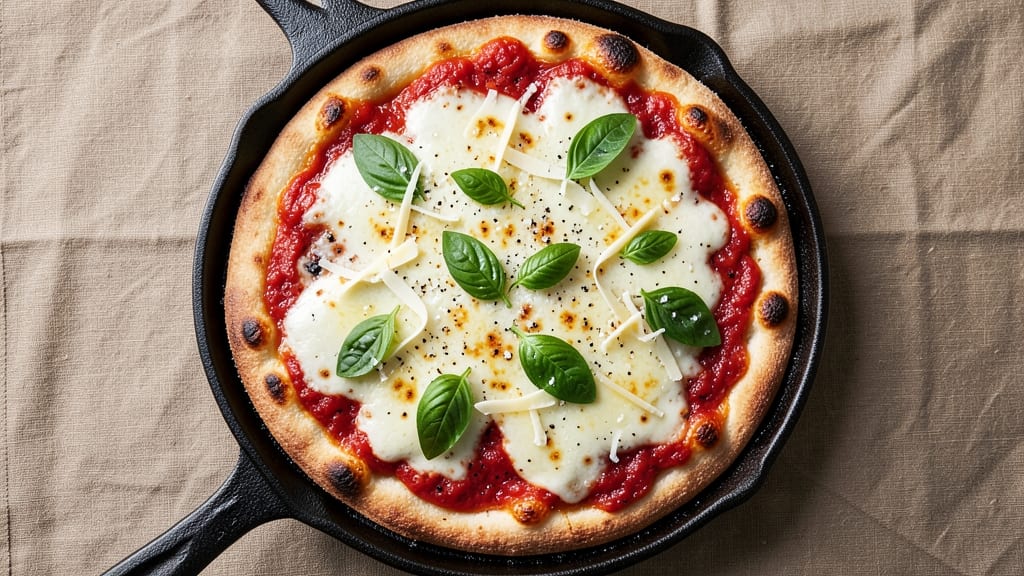
America's Test Kitchen has perfected the art of achieving a crispy cast iron pan pizza that rivals any pizzeria—with a technique so precise it transforms ordinary ingredients into restaurant-quality results.
The secret lies in preheating that cast iron pan until it's nearly smoking hot, then using a dough that's just firm enough to hold its shape while developing a golden, shatteringly crisp crust.
I've tested countless variations, and this method consistently delivers the perfect balance: a crackling edge that gives way to tender, airy interior with cheese that pulls just enough to stretch in every bite.
What sets this recipe apart is the foolproof approach to dough preparation—no kneading required, just a simple mix that develops flavor as it rests. The sauce is kept minimal to avoid overwhelming the crispy crust, while toppings are added strategically to prevent sogginess.
America's Test Kitchen's signature method ensures even heat distribution, so every slice has that coveted crispy exterior and perfectly melted cheese interior, no matter where you cut it. The pan itself becomes part of the cooking process, radiating heat that transforms your kitchen into a mini pizzeria.
By the time you slide that pizza out of the pan, you'll have a dish that looks like it came from a brick oven—golden crust with charred spots, bubbling cheese, and toppings that have caramelized to perfection.
The aroma alone will have everyone gathering around the table, and the first bite delivers that satisfying contrast of crispy crust and gooey cheese. This isn't just pizza; it's a restaurant-quality experience you can recreate at home with basic tools and a little patience.
Pair it with a simple arugula salad dressed in lemon vinaigrette to cut through the richness, or serve with garlic knots for dipping into the remaining sauce.
The beauty of this recipe is its versatility—you can keep it classic with just tomato sauce and mozzarella, or go wild with gourmet toppings like prosciutto and fig jam. Let's get started on creating your perfect pan pizza.
Ingredients for america's test kitchen cast iron pan pizza
Foolproof dough mix plus minimal toppings—this is how you get that crispy cast iron crust.
| Ingredient | Amount | Notes |
|---|---|---|
| All-Purpose Flour 🌾 | 3 cups | Spooned and leveled, not scooped |
| Active Dry Yeast 🍞 | ¼ tsp | Ensure it's fresh (test in warm water) |
| Granulated Sugar 🍬 | ¼ tsp | Feeds the yeast for activation |
| Salt 🧂 | 1 tsp | Kosher or sea salt preferred |
| Extra-Virgin Olive Oil 🫒 | ¼ cup | High quality, fruity flavor |
| Warm Water 💧 | 1 cup | 110°F, not hot |
| Marinara Sauce 🍅 | ½ cup | Store-bought or homemade, low sugar |
| Mozzarella Cheese 🧀 | 8 oz | Fresh mozzarella, sliced thin |
| Parmesan Cheese 🧀 | ¼ cup | Freshly grated, not pre-shredded |
| Garlic Cloves 🧄 | 2 cloves | Minced, for flavor boost |
| Fresh Basil Leaves 🌿 | ¼ cup | Chopped, for garnish |
| Cornmeal 🌽 | 2 tbsp | For dusting the pan |
The flour is key—King Arthur or Gold Medal are my go-tos for consistent results. No kneading required, just mix and let it rest. The yeast needs to be fresh (if it doesn’t foam in warm water, toss it). For the olive oil, California Olive Ranch is my favorite—it’s affordable and has great flavor. The mozzarella should be fresh (not shredded from a bag)—it melts better and gives that perfect stretch. If you can’t find fresh, low-moisture mozzarella from a block shredded yourself works too.
No marinara? Crushed tomatoes with garlic, basil, and salt work in a pinch. Short on basil? Dried oregano at half the amount gets you close. The Parmesan needs to be real—grate it yourself from a wedge. Pre-shredded has anti-caking agents that make it taste funny. Want to skip the garlic? Add a pinch of garlic powder instead. The cornmeal is non-negotiable—it prevents sticking and adds to that crispy crust. If you don’t have it, semolina works too.
Dough keeps in the fridge for up to 48 hours wrapped in plastic. The cheese can be prepped ahead—slice the mozzarella and store it in the fridge for 2 days. Once baked, pizza reheats best in a 350°F oven for 5-10 minutes to restore that crisp. The pan? Clean it immediately after—hot water and a stiff brush work wonders. Store it dry to prevent rust.
Why You'll Love This Recipe
- One-Bowl Miracle: I swear, this dough comes together in a single bowl—no messy countertop slaps or rolling pin drama. Just flour, yeast, sugar, and a splash of olive oil, mixed until it’s smoother than my excuses for skipping leg day.
- Crispy-Cheesy Magic: That cast iron pan? It’s the secret weapon. The edges get properly crispy while the center stays pillowy, and the olive oil in the dough? It makes every bite taste like a hug from a nonna.
- Game for Any Night: Weeknight dinner? Sunday brunch? Potluck disaster? This pizza adapts—add pepperoni for the kids, mushrooms for the adults, or just keep it simple with garlic and herbs. It’s the blank canvas I always wanted.
- Budget-Friendly Leftovers: A single dough makes two pizzas, and the leftovers reheat like they were just baked. Honestly, I’ve had it cold the next day, and it’s still better than takeout. (Yes, even on a Tuesday night.)
Step-by-step instructions for america's test kitchen cast iron pan pizza
Here's how to nail that perfect crispy crust and melty cheese combo every time.
Make the Pizza Dough and Let It Rise
In a large bowl, whisk together the 3 cups all-purpose flour, 1 teaspoon salt, and 0.25 teaspoon granulated sugar. Make a well in the center and add the 0.25 teaspoon active dry yeast. Slowly pour in the 0.25 cup extra-virgin olive oil and 1 cup warm water (around 110°F). Mix with a wooden spoon until a shaggy dough forms.
Turn the dough onto a lightly floured surface and knead for about 8-10 minutes until smooth and elastic. Place the dough back in the bowl, cover with a damp towel, and let it rise in a warm place for 1-2 hours, or until it has roughly doubled in size. This resting time is key—it develops the gluten for that crispy crust you're after.
Prep the Cast Iron Pan and Toppings
While the dough rises, preheat your oven to 475°F. Lightly grease a 10-inch cast iron skillet with a bit of olive oil, then sprinkle in the 2 tablespoons cornmeal and shake to coat the bottom evenly. This creates a crispy, golden crust that's the hallmark of cast iron pan pizza.
In a small bowl, mix together the 0.5 cup marinara sauce, 2 minced garlic cloves, and a pinch of salt. Set aside. Also, tear the 8 ounces mozzarella cheese into small, uneven pieces—this ensures melty pockets of cheese throughout. Chop the 0.25 cup fresh basil leaves and grate the 0.25 cup parmesan cheese for topping.
Shape and Cook the Pizza
Punch down the risen dough to release air, then roll it out on a floured surface into a 12-inch round (about ¼-inch thick). Stretch the dough gently over the cornmeal-coated skillet, pressing lightly to help it adhere. You might need to trim the edges if it's too big—just fold them under.
Spread the marinara-garlic mixture evenly over the dough, leaving a ½-inch border for the crust. Sprinkle half of the mozzarella pieces over the sauce, then add the remaining cheese on top. Bake for 12-15 minutes until the crust is deep golden brown and the cheese is bubbling and slightly browned in spots.
Finish and Serve
Remove the pizza from the oven and let it cool for 2-3 minutes. Sprinkle the grated parmesan cheese and chopped fresh basil leaves over the top. Slide the pizza onto a cutting board and slice into 4 equal wedges—the crust should be crispy enough to hold its shape.
Serve immediately while the crust is still warm and crispy. The cast iron retains heat beautifully, so every bite delivers that perfect balance of crunchy crust, tangy sauce, and melty cheese. If you're feeling fancy, drizzle a little extra-virgin olive oil over the top right before serving for added richness.
Pro Tips For Making America'S Test Kitchen Cast Iron Pan Pizza
- Preheat That Pan: Get your cast iron screaming hot—450°F for at least 20 minutes on the stove or in the oven. I learned this the hard way after sliding a dough ball onto a lukewarm pan and ending up with a sad, greasy mess instead of a crispy crust. That high heat is what gives the crust its signature snap.
- Weigh Your Dough: Skip the cups—this dough is not forgiving. The recipe calls for 350g flour, and measuring by weight guarantees consistency. I used to eyeball it, and my pizzas turned out either too stiff or too sticky. A cheap kitchen scale solves this forever.
- Stretch Like Taffy: Work the dough slowly on a floured surface, coaxing it into a rough circle with your fingertips—not rolling it like pie dough. The ATK method relies on gentle stretching to build gluten; I used to manhandle it, and the crust ended up tough. Patience here = chewy perfection.
- Oil the Pan After Preheating: Brush that cast iron with 1 tablespoon of olive oil right before adding the dough—never while it’s still cold. The oil burns off too fast if you do it earlier, and you’ll lose that golden, crispy bottom. I now keep the oil in a squeeze bottle next to the stove for speed.
Troubleshooting this dish
Dough Too Sticky?
If your dough feels too tacky to handle, you likely need more flour—but don’t overdo it. Sprinkle 1 tablespoon flour at a time onto your work surface and use your hands to gently stretch the dough.
The ideal consistency should be soft yet pliable, not wet. I’ve found that King Arthur flour absorbs moisture better than others, so if you’re using a different brand, you might need to adjust slightly. 🌾
Crust Not Crispy Enough
The crust loses its crisp when the pan isn’t hot enough or the dough is too thin. First, ensure your oven is fully preheated to 475°F for at least 15 minutes before baking. Then, roll the dough to ¼-inch thickness—any thinner, and it’ll burn before the cheese melts.
For extra crunch, brush the crust edges with olive oil before baking. I also recommend using a 10-inch Lodge cast iron pan—it retains heat better than thinner pans.
Cheese Burning Before Melting
If your cheese turns brown and crispy before melting properly, your oven is too hot or the pizza is overcrowded. Lower the oven temp to 450°F and bake for 15-18 minutes. Also, avoid piling toppings too high—stick to 8 ounces of cheese max for a 12-inch pizza.
For extra insurance, place a baking sheet under the pan to catch drips and reflect heat upward. 🔥
Dough Sticking to Pan
Even with cornmeal, dough sometimes sticks if the pan isn’t properly prepped. After greasing with olive oil, sprinkle 2 tablespoons cornmeal and shake the pan vigorously to coat the bottom evenly. Tap the pan lightly on the counter to remove excess.
If it still sticks, your dough might be too wet—reduce the water by 1 tablespoon next time. A well-seasoned cast iron pan also helps prevent sticking.
Sauce Pooling or Soggy Crust
Too much sauce or wet toppings (like fresh tomatoes) can make the crust soggy. Use ½ cup marinara max and pat any wet toppings dry with a paper towel. For extra insurance, sprinkle a thin layer of mozzarella directly on the dough before adding sauce—this creates a barrier.
I also recommend baking pizza on the middle rack to ensure even heat distribution. 🍅
Uneven Cooking or Cold Spots
If your pizza has cold spots or uneven browning, rotate the pan halfway through baking. Cast iron pans can create hot spots, so a quick spin ensures even cooking. Also, avoid opening the oven door early—this causes temperature drops and uneven results.
Let the pizza bake undisturbed for the full 12-15 minutes, then check for doneness. If using a broiler for extra crisp, watch closely to prevent burning.
Nutrition facts
Frequently asked questions
Can I use a different type of pan besides cast iron?
Cast iron is ideal for that signature crispy crust, but you can adapt this recipe. A heavy steel or stainless steel pan will work, though the crust may not be as crisp. Avoid nonstick pans—they won’t conduct heat the same way. For best results, use a 10-inch pan with a thick base to mimic cast iron’s heat retention.
How do I know when my cast iron pan is hot enough?
The pan should be preheated until it’s nearly smoking hot—about 10-15 minutes at 475°F. Test it by sprinkling a few drops of water; if they sizzle and evaporate instantly, it’s ready. Overheating can burn the dough, so aim for a pan that’s hot but not smoking excessively.
Can I make the dough ahead of time?
Yes! The dough keeps well in the fridge for up to 48 hours wrapped tightly in plastic. Let it sit at room temperature for 30-60 minutes before shaping to make it easier to handle. For longer storage, you can also freeze the dough for up to 3 months. Thaw it in the fridge overnight before using.
What if I don’t have fresh mozzarella?
Use low-moisture mozzarella from a block instead of pre-shredded—it melts better and won’t make the crust soggy. If you can’t find either, try fontina or provolone for a richer flavor. Just reduce the amount slightly since these cheeses are often saltier.
How do I clean my cast iron pan after baking pizza?
Clean it immediately while still warm. Use a stiff brush or scrub pad with hot water and a small amount of salt to remove residue. Avoid soap—it strips the seasoning. Dry thoroughly over low heat to prevent rust. A well-seasoned pan will release pizza effortlessly with minimal sticking.