
Side Dishes
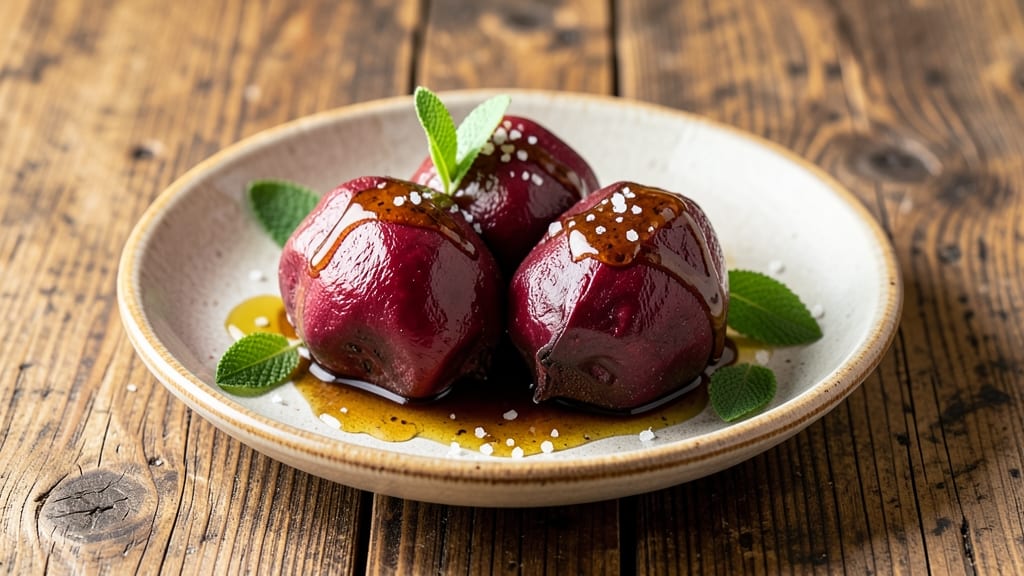
This Italian beets recipe transforms humble vegetables into a dish that feels like a taste of Tuscany on your dinner table. The secret lies in roasting beets until tender and caramelized, then finishing them with a tangy balsamic glaze and crispy sage leaves that add an aromatic touch.
I first discovered this technique while visiting a family-run trattoria in Bologna, where they served these beets as an elegant side that elevated the entire meal.
The process is simpler than it sounds: whole beets roast in the oven until fork-tender, then get glazed with a reduction of balsamic vinegar and honey for that perfect balance of sweet and tart.
Fresh sage leaves crisp up beautifully in a hot pan, adding a fragrant, earthy note that complements the deep earthiness of the beets. This dish delivers crispy edges on those sage leaves while keeping the beets perfectly tender inside.
What makes this recipe special is how it transforms a simple vegetable into something sophisticated enough for holiday tables but easy enough for weeknight dinners.
The balsamic glaze adds a glossy finish that makes the beets look restaurant-worthy, while the crispy sage adds a textural contrast that keeps every bite interesting. Serve these alongside roasted meats or grilled fish for a dish that feels like a true Italian experience.
For an extra touch, I recommend pairing these beets with a sprinkle of crumbled goat cheese or thin slices of prosciutto—both add complementary flavors that make this dish even more memorable.
The recipe yields about four servings, making it perfect for sharing or meal prepping. Let's get started on creating this Italian-inspired side dish that will impress everyone at your table.
Ingredients for italian beets
Four whole beets, balsamic, and honey—this Tuscan-inspired side transforms simple vegetables into a restaurant-worthy dish.
| Ingredient | Amount | Notes |
|---|---|---|
| Medium Beets 🍠 | 4 whole | Organic preferred, tops trimmed |
| Extra-Virgin Olive Oil 🫒 | ¼ cup | High quality, fruity flavor |
| Balsamic Vinegar 🍷 | ¼ cup | Aged, dark variety preferred |
| Honey 🍯 | 2 tbsp | Wildflower or clover honey |
| Fresh Sage Leaves 🌿 | ½ cup | Large leaves preferred |
| Salt 🧂 | 1 ½ tsp | Kosher or sea salt |
| Black Pepper 🌶️ | ½ tsp | Freshly ground preferred |
| Garlic Cloves 🧄 | 2 cloves | Minced for glaze |
| Crumbled Goat Cheese 🧀 | ¼ cup | Optional for serving |
| Prosciutto Slices 🥓 | 4 slices | Optional for garnish |
| Fresh Thyme Leaves 🌿 | ¼ tsp | For garnish (optional) |
The beets are the foundation, so choose them carefully. Organic beets from the grocery store's produce section tend to have the best texture, but any medium-sized beets will work. Look for vibrant color—deep red or golden yellow—with no soft spots. I prefer Whole Foods or local farmers markets for the freshest selection, but even the regular supermarket beets will do if they're firm. The key is to keep the tops on until you're ready to roast them, which helps preserve moisture. If you're buying pre-trimmed beets, check the expiration date—they should feel heavy for their size, indicating they're fresh.
No aged balsamic vinegar? Regular balsamic vinegar works in a pinch, but the flavor won't be as rich. The honey can be swapped for maple syrup if you're avoiding it, though the flavor will shift slightly. Fresh sage is non-negotiable for that crispy texture—dried sage won't give you the same aromatic punch. For the glaze, if you're short on time, you can use a store-bought balsamic reduction, but making your own takes just 10 minutes and tastes far superior. The garlic adds depth, so don't skip it unless you're sensitive to its flavor. For a vegetarian option, omit the prosciutto and double the goat cheese instead.
Roasted beets keep well in the fridge for 5-6 days if stored in an airtight container with a paper towel to absorb moisture. The glaze can be made ahead and stored in a jar for up to 2 weeks, though it's best used within a week. To reheat, simply warm in the microwave for 30 seconds or gently in a pan. These beets reheat beautifully, making them perfect for meal prep. For a festive touch, arrange the beets on a platter with the crispy sage leaves fanned out around them, then drizzle with extra glaze and a sprinkle of goat cheese just before serving.
Why You'll Love This Recipe
- No Chopping Needed: I swear by this—just toss whole beets in the oven, and they soften up while you sip coffee. The skin peels off like magic, leaving you with tender, earthy rounds ready for the balsamic-honey glaze.
- Earthy-Sweet Magic: That balance of roasted beets, sharp balsamic, and honey’s warmth? It’s like a flavor hug. The sage adds a piney freshness that makes it taste like a fancy Italian market picked it fresh for you.
- Weeknight to Dinner Party: Serve it cold as a side with grilled chicken, or warm it up over polenta for a hearty meal. Honestly, I’ve even drizzled it over goat cheese toast—works every time, no excuses.
- Budget-Friendly Pantry Staples: Beets stay fresh forever, and olive oil, vinegar, and honey are things I always have. No fancy ingredients, just pure, satisfying flavor that stretches across multiple meals without breaking the bank.
Step-by-step instructions for Italian beets recipe: roasted with balsamic glaze and crispy sage
Transform humble beets into an elegant Italian-inspired dish with perfect texture and vibrant flavors.
Prepare and Roast the Beets for Maximum Crispiness
Preheat your oven to 400°F for even roasting. Scrub the 4 whole medium beets thoroughly under cold water to remove any dirt, then trim off the leafy tops, leaving about ½ inch of stem intact. Wrap each beet tightly in a double layer of heavy-duty aluminum foil, sealing the ends completely. This technique traps steam and creates the ideal environment for tender, caramelized beets.
Place the wrapped beets directly on the oven rack (not on a baking sheet) to ensure even heat circulation. Roast for 50-60 minutes until the beets are fork-tender and their outer skins begin to crack slightly—this is your signal that they're perfectly tender with crisp edges. The foil will also prevent them from drying out while developing that beautiful caramelized exterior.
Create the Balsamic-Honey Glaze with Aromatic Garlic
While the beets roast, combine ¼ cup extra-virgin olive oil, ¼ cup balsamic vinegar, and 2 tablespoons honey in a small saucepan over medium heat. Let it simmer gently for 5-7 minutes until reduced by about ⅓ and slightly thickened. The glaze should coat the back of a spoon and develop a glossy sheen.
Add the 2 minced garlic cloves and cook for another 30 seconds until fragrant but not browned. Remove from heat immediately to preserve the garlic's delicate flavor. This reduction process intensifies the flavors while creating a perfect balance of sweet, tangy, and umami notes that will complement the earthy beets beautifully.
Crisp the Fresh Sage Leaves for Garnish
Heat a dry skillet over medium-high heat. Add ½ cup fresh sage leaves in a single layer and cook for 1-2 minutes until the edges begin to curl and crisp. Turn the leaves occasionally with tongs to ensure even browning. You want them to develop a golden, almost papery texture while retaining their vibrant green color. Remove from heat and set aside on a paper towel-lined plate to drain excess oil.
This crisping step transforms simple sage into a textural showstopper that contrasts perfectly with the tender beets. The aroma alone will elevate your dish from ordinary to extraordinary. If any leaves don't crisp properly, simply return them to the skillet for another 30 seconds—they'll crisp quickly once they start.
Assemble and Serve with Goat Cheese and Prosciutto
Once the beets are fully roasted, carefully unwrap them and let them cool for 5 minutes to allow the skins to soften slightly. Peel off the outer skins using your fingers or a paring knife, then slice each beet into ¼-inch thick rounds. Arrange the beets on a serving platter and drizzle generously with the warm balsamic-honey glaze, allowing it to pool slightly between the slices.
Sprinkle the crisped sage leaves evenly over the beets, then scatter ¼ cup crumbled goat cheese and 4 slices prosciutto slices on top. The combination of creamy goat cheese, salty prosciutto, and aromatic sage creates a perfect balance of textures and flavors. For an optional garnish, sprinkle with ¼ teaspoon fresh thyme leaves just before serving to add another layer of herbal complexity.
Season and Present with Confidence
Taste the beets and adjust seasoning with 1½ teaspoons salt and ½ teaspoon black pepper as needed. The beets should be perfectly seasoned with a balance of sweetness from the glaze, earthiness from the roasting, and herbal notes from the sage and thyme. Serve immediately while the beets are warm and the glaze is still glossy.
This dish pairs beautifully with crusty bread to soak up the glaze or alongside grilled meats for a complete Italian-inspired meal. The crispy sage leaves add an unexpected but delightful textural element that makes this simple preparation feel truly special. Each bite delivers a perfect harmony of flavors and textures that will impress even the most discerning palates.
Pro Tips For Making Italian Beets
- ROAST BEETS UNTIL TENDER: Medium beets need 45–50 minutes at 400°F (200°C) to caramelize properly—don’t rush them. I learned this the hard way when my first batch came out undercooked and mealy. If the skins start splitting, just flip them over; the edges will still soften.
- TRIM BEETS AFTER ROASTING: Skip peeling raw beets—it’s a mess. Roast them whole, then trim off the skins with a paring knife while still warm; they slide right off. Cold beets? You’ll be fighting for every stubborn fiber.
- DRIZZLE HONEY LAST: Add honey and balsamic after roasting, not before. The heat turns raw honey into a sticky glaze that clings to the pan instead of the beets. A quick toss with olive oil first helps the dressing stick—trust me, it makes a real difference.
- USE TOASTED SAGE: Lightly toast sage leaves in a dry pan for 30 seconds until fragrant—it deepens their flavor. Tuck a few whole leaves into the roasting pan with the beets, then scatter the rest over the finished dish. Sounds weird, but it works: the aroma clings to the beets like a perfume.
Perfect pairings for this italian beets
Italian Wine Pairings
For this Tuscan-inspired dish, I recommend a crisp Chianti Classico—its bright acidity and cherry notes cut through the sweetness of the balsamic glaze while complementing the earthy beets.
Look for a 2021-2022 vintage from Chianti's central zone for the perfect balance. The wine's tannins also stand up to the salty prosciutto, creating a harmonious pairing. 🍷
Crusty Bread Match
Serve these beets alongside a warm focaccia or ciabatta to soak up the rich balsamic glaze. I love using a sourdough loaf with olive oil and sea salt for extra rustic charm.
The bread's chewy texture contrasts beautifully with the tender beets, making every bite more satisfying. Toast slices lightly before serving to enhance their flavor.
Prosciutto and Cheese Plate
Create an elegant Italian antipasto by arranging the roasted beets alongside thin prosciutto slices, aged pecorino cheese, and marinated olives. The salty prosciutto and sharp pecorino elevate the dish's flavors, while the olives add a briny contrast.
Serve with dry sparkling wine like Prosecco for a festive touch that complements all components. ✨
Herb-Infused Olive Oil
Drizzle the beets with homemade herb-infused olive oil just before serving for an extra layer of flavor. Combine ½ cup extra-virgin olive oil with 1 tbsp fresh rosemary, 1 tbsp fresh thyme, and a pinch of red pepper flakes.
Let it infuse for 30 minutes before drizzling—this adds a fragrant, aromatic finish that ties everything together beautifully.
Grilled Meat Pairings
These beets shine alongside grilled lamb chops or bistecca alla fiorentina—the smoky, charred flavors of the meat contrast perfectly with the sweet-tart beets. For a lighter option, pair with grilled branzino or seared scallops. The beets' earthiness grounds richer proteins while adding vibrant color to your plate.
Dessert Contrast
End your Italian feast with a dessert that balances the dish's richness—panna cotta with berry compote or almond biscotti work wonderfully. The creamy texture and fruity notes of panna cotta cleanse the palate after the savory beets, while the crunchy biscotti add a satisfying finish.
A Vin Santo dessert wine pairs beautifully with either option. 🍰
Nutrition facts
Frequently asked questions
Can I use baby beets instead of medium-sized ones?
Baby beets work beautifully in this recipe! Simply reduce the quantity to 6-8 small beets (about the same total volume as 4 medium beets) and roast them for 30-40 minutes instead of 50-60 minutes. Their smaller size means they'll cook faster while still developing that perfect caramelized exterior when wrapped in foil.
What if I don't have fresh sage leaves?
Don't worry—you can still make this dish! Use ½ teaspoon dried sage (crumbled) in place of fresh, but skip the crisping step. Add it directly to the warm beets just before serving. For texture, try toasted pine nuts or crispy fried shallots instead—they'll add a similar crunchy contrast to the tender beets.
Can I make this recipe ahead of time?
This dish actually tastes even better the next day. Roast the beets and make the glaze up to 3 days ahead, storing them separately in airtight containers. Reheat the beets in a 350°F oven for 15 minutes, then drizzle with warmed glaze and fresh crispy sage just before serving. The flavors meld beautifully overnight!
Is there a way to make this vegetarian?
Yes—just skip the prosciutto and double the goat cheese to ½ cup. For extra protein, add ¼ cup toasted walnuts or crumbled feta cheese instead. The balsamic glaze and sage still provide that authentic Italian flavor without any meat. This version works perfectly as a vegetarian main course when served with crusty bread.
Why did my beets turn mushy?
Over-roasting or under-wrapping are the most common causes. Always wrap beets tightly in double foil and roast at 400°F for 50-60 minutes max. Check for doneness by piercing with a fork—they should be tender but still hold their shape. If they're too soft, try roasting at 375°F for 45 minutes next time for better control.