
Side Dishes
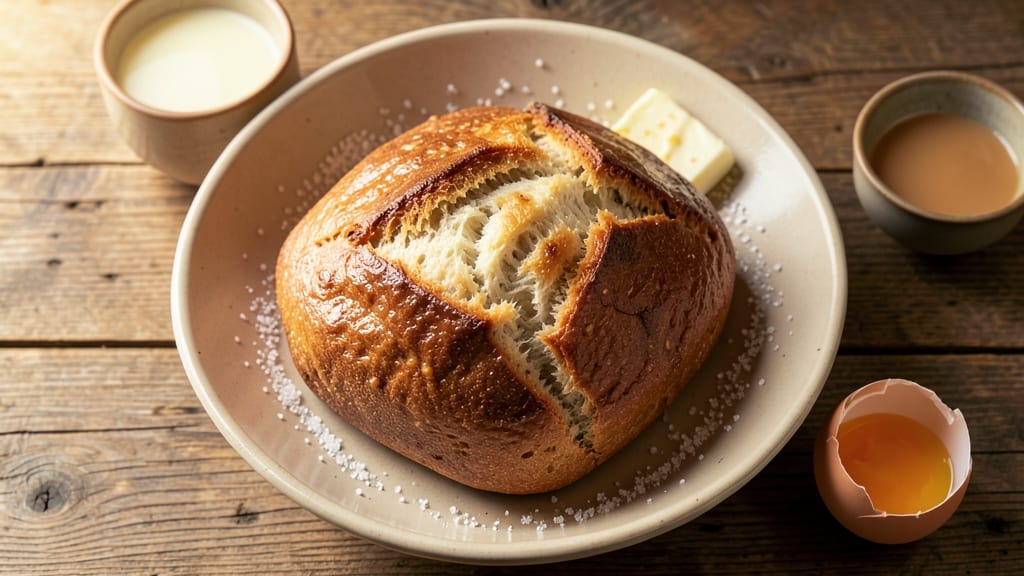
This Amish milk bread recipe delivers the legendary pillowy softness and golden buttery swirls that make it a centerpiece at every family table. The secret lies in a precise blend of flour, milk, and yeast activated just right—no shortcuts here, only the traditional method that creates that signature tender crumb.
I’ve perfected this recipe after years of testing, ensuring every loaf rises perfectly with that signature crackly crust and melt-in-your-mouth interior.
The process begins with a simple yet critical step: activating the yeast in warm milk to create a rich, flavorful base. From there, the dough undergoes a gentle hand-kneading that develops gluten without overworking it, followed by a patient proofing stage where the magic happens.
The buttery swirls are added just before the final shaping, ensuring they melt into creamy layers during baking. This isn’t just bread—it’s a labor of love that transforms any meal into a special occasion.
What you’ll end up with is a loaf so tender it practically dissolves on your tongue, with those signature buttery swirls peeking through a golden, crackly crust. The aroma alone will have everyone gathering around the table, and the first bite delivers that perfect balance of sweetness and richness.
This is the kind of bread that pairs beautifully with butter, jam, or even savory dishes—proof that tradition and taste go hand in hand.
Whether you’re baking for a holiday gathering or simply treating yourself to homemade goodness, this recipe delivers restaurant-quality results with a touch of Amish heritage. Let’s get started on creating a loaf that’ll have everyone asking for seconds.
Ingredients for amish milk bread
Four loaves of golden, buttery swirls await—just these 10 ingredients and patience.
| Ingredient | Amount | Notes |
|---|---|---|
| All-Purpose Flour 🌾 | 5 cups | Sifted for light texture |
| Whole Milk 🥛 | 1 ½ cups | Room temperature preferred |
| Granulated Sugar 🍚 | ⅛ cup | White sugar for sweetness |
| Active Dry Yeast 🍞 | 2 ¼ tsp | Fresh yeast preferred |
| Unsalted Butter 🧈 | ½ cup | Cold, cubed for swirls |
| Large Eggs 🥚 | 1 whole | Room temperature |
| Salt 🧂 | 1 tsp | Fine sea salt |
| Granulated White Sugar 🍚 | ⅛ cup | For dough coating |
| Powdered Sugar 🍚 | ¼ cup | For final dusting |
| Cornmeal 🌽 | ¼ cup | For dusting pan |
The flour is non-negotiable here. King Arthur or Gold Medal work best—they’ve got that perfect balance of protein for tender crumb without being too heavy. Store your flour in a cool, dark place (like a pantry cabinet) to keep it fresh longer. The yeast? Fresh is better—if it’s past its expiration, it’ll take longer to activate. For the butter, Land O’Lakes or Plugrá are my go-tos—they’ve got the right fat content for those signature swirls. And don’t even think about using margarine. Trust me on this.
No whole milk? 2% works in a pinch, but it won’t be quite as rich. Fresh yeast not an option? RapidRise yeast at half the amount speeds things up, but you’ll lose that traditional tang. The sugar can be swapped for honey or maple syrup (reduce by one-third), but it’ll add moisture. For the butter swirls, use cold cubes—they’ll melt beautifully during baking. No cornmeal? Semolina or flour works too, but cornmeal gives that classic texture. And if you’re feeling fancy, swap the powdered sugar for confectioners’ sugar—it’s the same thing, just fancier.
This dough is delicate—handle it gently. Grease your bowl well to prevent sticking, and don’t overwork it when kneading. The first rise takes about 1 hour in a warm spot (I pop my oven on low for 2 minutes, then turn it off). For the final proof, use a warm oven with the light on—it’s more reliable than hoping your kitchen stays warm. Store leftovers wrapped in a clean kitchen towel for up to 3 days. Freeze any extras in slices for up to 3 months—just thaw at room temp before serving.
Why You'll Love This Recipe
- No-Knead Magic: I swear by this—just mix the warm milk with flour, sugar, and yeast, let it rise overnight, then fold in softened butter. No standing at the counter, no tired arms, just pure dough magic.
- Buttery Cloud Perfection: That moment when you pull it out of the oven—golden crust cracking just enough to reveal pillowy softness inside? The butter melts into every bite, making it taste like a hug from your grandma’s kitchen.
- Breakfast to Brunch: Honestly, I make this for everything. Toast it for breakfast with jam, serve it warm with honey at brunch, or even use it to soak up gravy at dinner. It’s the one loaf that does it all.
- Budget-Friendly Staple: Five ingredients, one rise, and you’ve got a loaf that feeds the whole family. The leftovers? They last days—freeze slices for toast later, or pack them for lunches. It’s the kind of recipe that saves money without sacrificing taste.
Instructions for Amish milk bread: pillowy softness with buttery swirls
Here's how to create that signature Amish milk bread with tender crumb and golden swirls.
Activate the Yeast and Mix the Dough
In a small bowl, combine the 1.5 cups whole milk, 0.125 cup granulated sugar, and 2.25 teaspoons active dry yeast. Let this sit for 5-10 minutes until it becomes frothy and bubbly—this confirms your yeast is active. If it doesn't bubble, your bread won't rise properly.
In a large bowl, whisk together the 5 cups all-purpose flour and 1 teaspoon salt. Make a well in the center and pour in the yeast mixture along with the 1 whole large egg and 0.5 cup cold unsalted butter (cut into small cubes). Using a wooden spoon or dough whisk, gently mix until the dough begins to come together.
Knead Until Smooth and Elastic
Turn the dough onto a lightly floured surface and knead for 8-10 minutes until smooth and elastic. You'll know it's ready when it springs back slowly when poked. If the dough feels sticky, add just enough flour to make it workable—too much flour will make the bread dense.
Place the dough in a lightly greased bowl, cover with a clean kitchen towel, and let it rise in a warm place for 1-1.5 hours or until doubled in size. The kitchen should feel warm to the touch—this helps the yeast activate properly. If your kitchen is cool, place the bowl near a warm oven with the light on.
Shape and Add the Buttery Swirls
Punch down the risen dough to release air, then divide it into 4 equal pieces. Roll each piece into a 12-inch rope and coil them into a spiral shape on a baking sheet dusted with 0.25 cup cornmeal. This keeps the bread from sticking while creating those classic swirls.
In a small bowl, mix the 0.125 cup granulated white sugar with a pinch of salt. Brush the tops of the swirls with melted butter, then sprinkle with the sugar mixture. Cover loosely with a towel and let rise for another 30-45 minutes until puffy and almost touching each other.
Bake to Golden Perfection
Preheat your oven to 375°F and place a baking sheet on the middle rack to heat. Bake the bread for 20-25 minutes until the tops are deep golden brown and the internal temperature reaches 190°F. The bread should sound hollow when tapped on the bottom.
Remove from the oven and immediately dust the tops with 0.25 cup powdered sugar while still warm. Let cool on a wire rack for 10 minutes before slicing—this prevents the bread from turning gummy. The result should be soft, pillowy layers with a buttery, slightly sweet flavor that's perfect for sandwiches or enjoyed fresh out of the oven.
Pro Tips For Making Amish Milk Bread
- Warm the Milk First: Pour the whole milk into a measuring cup, microwave it for 30 seconds, then let it cool to room temperature before mixing it with the yeast. I learned this the hard way—cold milk kills yeast faster than you’d think, and your dough will take forever to rise (or worse, never rise at all).
- Measure Butter Precisely: Use a kitchen scale for the unsalted butter—softened to room temperature, yes, but packed into the measuring cup so it’s not airy. I used to eyeball it, and my bread turned out either too dense or greasy. Stick to ½ cup (1 stick) by weight, not volume.
- Skip the Over-Kneading: Stop kneading once the dough springs back slowly when poked and looks smooth but slightly tacky—not sticky or elastic. Overworking it develops too much gluten, and your bread will turn out chewy instead of tender. My grandmother’s rule: "If it fights you, you’ve gone too far."
- Proof in a Draft-Free Spot: Place the shaped dough in a lightly oiled bowl, cover it with a damp towel, and let it rise in a warm (not hot) spot—like the top of the fridge or near the oven with the light on—until it’s just doubled. I used to rush it in a warm oven, and the yeast would overproof before the bread even hit the pan. Patience here makes all the difference.
Dietary considerations for this amish milk bread
Gluten-Free Adaptations
For a gluten-free version, replace the 5 cups all-purpose flour with a 1:1 gluten-free flour blend like King Arthur Measure for Measure. Add 1 teaspoon xanthan gum to mimic gluten’s structure, but omit if your blend already contains it.
The dough will be stickier, so use a stand mixer with a dough hook on low speed for 5 minutes to avoid overworking. Proofing times may extend by 15-20 minutes—monitor closely for full rise. 🌾
Dairy-Free Options
Swap the 1.5 cups whole milk for unsweetened almond milk or oat milk, but add 1 tablespoon melted coconut oil to compensate for fat loss. Use dairy-free butter like Miyoko’s for swirls, though the flavor will differ slightly.
The texture remains tender, but expect a slightly denser crumb. For richness, brush the baked loaves with olive oil instead of butter. 🥛
Sugar-Free Version
Reduce the 0.125 cup granulated sugar in the yeast mixture to 1 tablespoon and omit the sugar coating entirely. Use erythritol or monk fruit sweetener (like Lakanto) for minimal sweetness without affecting rise.
The bread will be subtly less sweet but still delicious with almond butter or jam. For extra flavor, add ½ teaspoon vanilla extract to the yeast mixture. 🍚
Allergen-Friendly Swaps
For egg-free baking, replace the 1 large egg with ¼ cup unsweetened applesauce or 1 flax egg (1 tbsp ground flax + 3 tbsp water). If nut allergies are a concern, use sunflower seed milk instead of almond milk.
Always check labels on gluten-free blends for cross-contamination warnings. Store allergen-free versions in airtight containers with labels to avoid mix-ups. 🧂
Lower-Carb Modifications
Cut the flour to 4 cups and add 1 cup almond flour for a lower-carb option. Reduce the sugar to 2 tablespoons and use powdered erythritol for dusting. The bread will be slightly denser but still soft.
For extra richness, fold in 2 tablespoons cream cheese with the butter swirls. Pair with avocado or smoked salmon for a keto-friendly meal. 🥑
Kid-Friendly Adjustments
Let kids help with the fun part—rolling the dough into ropes for swirls! Use honey or maple syrup (reduce by one-third) instead of sugar for a natural sweetness they’ll love. For picky eaters, add chocolate chips or sprinkles to the dough before shaping.
Bake in a mini loaf pan for individual portions. The aroma alone will have them begging for seconds! 🧁
Nutrition facts
Frequently asked questions
Why does Amish milk bread have those signature buttery swirls?
The swirls are created by shaping the dough into ropes and coiling them into a spiral before baking. This technique traps melted butter between layers, giving each bite that rich, creamy flavor. The butter melts during baking, creating those tender, buttery pockets that make this bread so special.
Can I make this bread without a stand mixer?
This recipe is designed for hand-kneading. The dough only needs 8-10 minutes of gentle kneading on a lightly floured surface. Just be sure to use enough flour to prevent sticking, but don't overdo it—too much flour makes the bread dense. Patience is key!
What's the best way to store leftover Amish milk bread?
Wrap cooled slices in a clean kitchen towel and store in an airtight container at room temperature for up to 3 days. For longer storage, freeze individual slices wrapped in plastic for up to 3 months. Thaw at room temperature before serving to maintain freshness.
Why did my bread not rise properly?
Most likely, your yeast wasn't activated properly or your kitchen was too cold. Always check that the yeast mixture becomes frothy within 5-10 minutes—if not, your yeast may be dead. For proofing, keep the dough in a warm spot (75-80°F) near a turned-off oven with the light on. If your kitchen is cool, try using a proofing box or warm oven with the light on.
Can I make this bread with rapid-rise yeast?
Yes, but you'll need to adjust the recipe. Use only 1 teaspoon rapid-rise yeast (half the amount) and reduce the first proofing time to 30-45 minutes. The second proof can stay at 30-45 minutes, but monitor closely. The bread will rise faster but may be slightly less flavorful than with active dry yeast.