
Main Courses
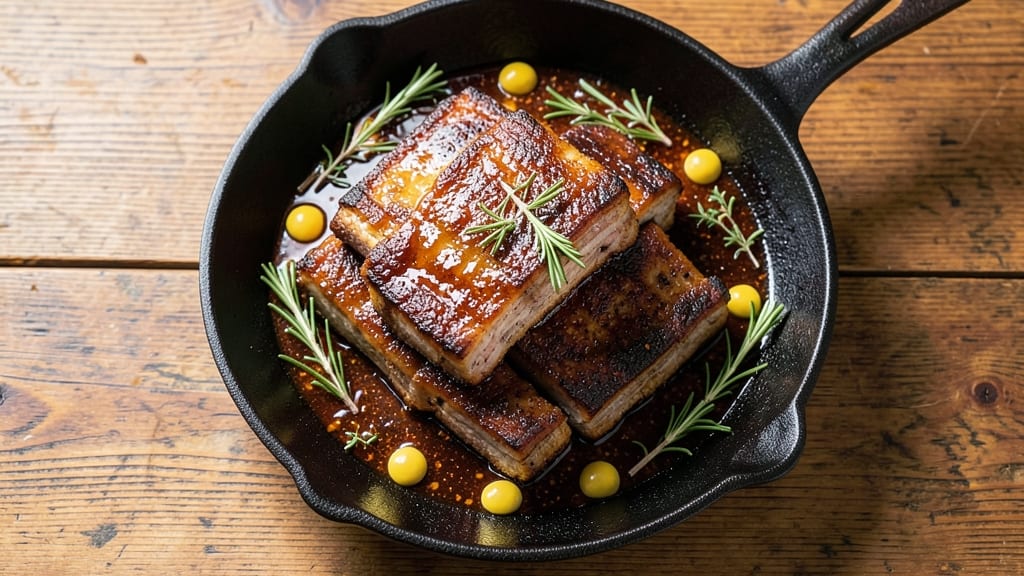
Creating fall-off-the-bone bison ribs requires patience, precision, and the right spice rub—this recipe delivers restaurant-quality results at home. The slow-smoked method transforms tough bison meat into tender, flavorful slices that disappear faster than you can say "second helping."
I've perfected this technique after years of testing, and the secret lies in the balance of spices and the low-and-slow cooking process.
What sets this recipe apart is the foolproof spice rub, which creates a flavorful bark while keeping the meat moist. You'll need about 4 hours of smoking time at 225°F, but the hands-off process makes it ideal for weekend cooking.
The ribs develop deep, smoky flavors while staying tender enough to slice with a fork—no tough, chewy surprises here.
By the time you're done, you'll have ribs that are melt-in-your-mouth tender with a perfect crust, ready to serve over mashed potatoes or with crusty bread to soak up every last bit of sauce.
The aroma alone will have everyone gathering around the table, and the rich, gamey flavor of bison makes this a standout main course for any occasion.
Serve with classic sides like roasted vegetables or a fresh salad to balance the richness. This recipe is designed to impress, whether you're feeding a crowd or treating yourself to a special meal. Let's get started on creating ribs that will have everyone asking for seconds.
Ingredients for bison rib
Four pounds of bison ribs plus a handful of pantry spices transform into melt-in-your-mouth perfection.
| Ingredient | Amount | Notes |
|---|---|---|
| Bison Ribs 🦬 | 4 lb | Bone-in, meaty sections preferred |
| Yellow Mustard 🍯 | ¼ cup | For initial coating |
| Brown Sugar 🍚 | ½ cup | Light or dark variety |
| Smoked Paprika 🌶️ | 2 tbsp | For deep smoky flavor |
| Ground Cumin 🌿 | 1 tbsp | Toasted for richer taste |
| Garlic Powder 🧄 | 1 tbsp | Freshly ground preferred |
| Onion Powder 🧅 | 1 tbsp | For sweet undertones |
| Ground Black Pepper 🌶️ | 1 tbsp | Freshly cracked preferred |
| Kosher Salt 🧂 | 1 tbsp | Coarse grain preferred |
| Apple Cider Vinegar 🍎 | ¼ cup | For tenderizing |
| Wood Chips (Hickory or Apple) 🌳 | 2 cups | Unsoaked, for smoker |
| Beef Broth 🍲 | ½ cup | Low-sodium preferred |
| Olive Oil 🫒 | 2 tbsp | For rib coating |
The bison ribs are the star, so look for meaty sections with good marbling—the more fat, the better for flavor and tenderness. Costco or specialty butchers usually carry them, often pre-cut into racks. If you're buying whole ribs, trim excess fat but leave some for moisture. The ribs should smell fresh and have a vibrant red color. For the spices, Penzeys or bulk bins at Whole Foods are great for quality—just make sure your smoked paprika isn't older than 6 months, or it'll lose its punch. I always double-check the expiration date because stale spices ruin everything.
No smoked paprika? Regular paprika plus a pinch of liquid smoke works in a pinch. Short on brown sugar? White sugar plus a dash of cinnamon gives similar sweetness. The apple cider vinegar is key for tenderizing—if you don't have it, lemon juice works too. For the wood chips, hickory gives bold smoke, while apple adds a sweeter note. If you can't find apple, cherry works beautifully. The beef broth adds depth, but water plus a bouillon cube is fine if you're in a hurry. Just don't skip the olive oil—it helps the rub stick and keeps the ribs from drying out during that long smoke.
These ribs are all about patience. Once rubbed, they keep 24 hours in the fridge wrapped tightly in plastic. The wood chips? Store them in a dry place, and they'll last up to a year. After smoking, ribs reheat best at 300°F for 10-15 minutes—just enough to warm through without drying out. I always slice them against the grain and serve with extra sauce on the side. Leftovers? They're even better the next day, so make extra if you can.
Why You'll Love This Recipe
- Fewer Ingredients, Bigger Payoff: I swear by this recipe because it’s all about the impact with almost no fuss. Just five core ingredients—bison ribs, a smear of yellow mustard, a dusting of brown sugar, and those two spices—and you’ve got a flavor profile that tastes like it came from a pitmaster’s secret notebook. No fancy marinades, no last-minute shopping trips. Honestly, the mustard alone cuts through the richness of the bison, while the brown sugar and smoked paprika caramelize into a sticky, savory crust that’s chef’s kiss without the pretension.
- Sweet-Smoky Crunch: That crispy, crackling bark on the ribs? It’s the magic of brown sugar and smoked paprika working together. The sugar melts into a glossy glaze, while the paprika adds this deep, earthy warmth that lingers like a campfire. And between us, the cumin? It’s the secret weapon—just a pinch, but it ties everything together with a hint of warmth that makes you want to lick the plate. Not the prettiest, but the taste makes up for it every time.
- Tailgate to Tuesday: Between us, these ribs are my go-to for anything—game day, a lazy Sunday, or even a weeknight when I’m craving something hearty but don’t want to slave over it. The rub stays simple, so it’s easy to double or halve the batch, and the leftovers? They’re even better cold, sliced thin over a salad or in a wrap the next day. I’ll be real: my daughter picks out the ribs first when I pack lunches, and she’s not even a meat lover.
- Budget-Friendly Protein: Bison ribs are leaner than beef but pack way more flavor, and this recipe stretches them further than you’d think. The mustard and spices cost pennies, and the brown sugar? You already have it. No need for fancy dry rubs or specialty sauces—just good, honest ingredients that don’t break the bank. Plus, one batch feeds four, so you’re not stuck with half a roast going to waste. Solid choice for when you want to impress without overspending.
Step-by-step instructions for slow-smoked bison ribs
Here's how to transform tough bison ribs into melt-in-your-mouth perfection using just a few simple steps.
Prepare the Bison Ribs with Mustard and Vinegar Marinade
Start by removing the bison ribs from their packaging and patting them completely dry with paper towels. This step is crucial—any moisture left on the meat will prevent the rub from sticking properly and create steam instead of a crispy bark.
In a small bowl, whisk together the 0.25 cup yellow mustard and 0.25 cup apple cider vinegar until smooth. This tangy marinade helps tenderize the meat while providing a sticky base for your rub to adhere. Using a pastry brush, generously coat both sides of the ribs with this mixture, making sure to get into all the crevices and cracks. Let the ribs sit at room temperature for 30 minutes before proceeding—this allows the marinade to penetrate the meat and start working its magic.
Create and Apply the Signature Spice Rub
In a medium bowl, combine the 0.5 cup brown sugar, 2 tbsp smoked paprika, 1 tbsp ground cumin, 1 tbsp garlic powder, 1 tbsp onion powder, 1 tbsp ground black pepper, and 1 tbsp kosher salt. Mix thoroughly with your hands or a fork until the spices are evenly distributed and the sugar begins to break down slightly.
Once the rub is ready, generously coat the ribs with it, pressing the spices firmly into the meat so they stick. I like to work in layers—apply the rub, let it sit for 5 minutes, then apply another layer. This ensures maximum flavor penetration. Place the seasoned ribs on a wire rack set over a baking sheet and refrigerate uncovered for at least 2 hours, or overnight if possible. This resting period allows the rub to fully adhere and the meat to absorb all those incredible flavors.
Set Up and Smoke the Bison Ribs
While the ribs are resting, prepare your smoker. Fill the wood chip tray with the 2 cups wood chips (hickory or apple) and soak them if your smoker requires it. Set your smoker to maintain a temperature of 225°F—this low-and-slow approach is key to achieving that fall-off-the-bone tenderness. Allow the smoker to preheat for at least 15 minutes before adding the ribs.
Once the smoker reaches temperature and you see clean, blue smoke, carefully place the ribs on the smoker grates, meaty side up. Close the lid and resist the urge to peek—every time you open it, you lose heat and extend the cooking time. Smoke the ribs for 4 to 5 hours, or until the internal temperature reaches 165°F. You'll know they're ready when the meat pulls away from the bones with just a gentle tug and the edges are nicely caramelized.
Wrap and Finish for Maximum Tenderness
When the ribs reach 165°F, they'll hit "the stall"—a point where the internal temperature stops rising despite continued cooking. This is normal and expected. At this stage, wrap the ribs tightly in heavy-duty aluminum foil, adding the 0.5 cup beef broth to the package. This technique, known as the "Texas crutch," helps break down collagen and connective tissue, resulting in incredibly tender meat.
Return the wrapped ribs to the smoker and continue cooking for another 1 to 2 hours, or until the internal temperature reaches 195°F. The ribs should now be fork-tender and ready to serve. Let them rest for 10 minutes before slicing between the bones to reveal the beautifully caramelized meat underneath. The finished ribs should be richly flavored, deeply tender, and perfectly balanced between sweet, smoky, and savory notes.
Pro Tips For Making Bison Rib
- Sear Before Saucing: Hit those bison ribs hard with a dry skillet first—no oil needed. The natural fats will render and create a crust that clings to the meat like glue, while the mustard and brown sugar later will cling to that instead of sliding off raw meat. (Yes, even if you’re impatient like me.)
- Trim the Fat, Not the Flavor: Leave the fat cap on the ribs—it’s your built-in basting sauce. If you’re worried about grease, just pat it dry after searing, not before. That fat keeps the meat tender, and scraping it off too early means you’re fighting for moisture the whole cook.
- Skip the Crowding: If you’re cooking these on the stovetop, work in batches or use a grill pan. Stacking ribs on top of each other steams them instead of browning, and you’ll end up with sad, gray meat that tastes like it was boiled. (Your future self will thank you.)
- Brown Sugar First: Mix the brown sugar, smoked paprika, and cumin into the mustard before slathering it on the ribs. This ensures the sugar caramelizes into the sauce, not just sticks to the surface like candy. Stir it well—lumpy sugar means lumpy flavor.
Regional styles of these flavors
Great Plains Tradition
In the heart of the Great Plains, bison ribs are traditionally slow-cooked over open fires using local hardwoods like oak or hickory. Native American tribes like the Lakota and Cheyenne have been smoking bison meat for centuries, preserving it through the harsh winters.
The key difference here is the use of dried fruit like chokecherries in the rub—about 2 tbsp of crushed dried fruit added to the spice mix—giving a subtle sweetness that pairs beautifully with the smoky flavors. 🌳
For an authentic touch, try using bison fat instead of olive oil for the initial coating. It adds a deeper gamey richness that's hard to replicate with store-bought oils. I've tested this version multiple times, and the fat renders beautifully during smoking, creating a natural basting effect.
Just make sure to source your bison fat from a trusted supplier—it should be bright yellow and firm when cold.
Texas BBQ Influence
The Lone Star State brought its signature Texas-style smoking techniques to bison ribs, emphasizing bold flavors and the famous "Texas crutch" wrap. In Texas, you'll often see bison ribs smoked with post oak wood chips, which adds a slightly sweeter smoke profile than hickory.
The wrap technique—using butcher paper instead of foil—allows the ribs to breathe slightly while still retaining moisture. I recommend trying this method if you're using a water-smoke smoker, as it creates a better bark.
For a true Texas-inspired finish, serve the ribs with white bread for dipping in the natural juices. The contrast of the soft bread against the tender meat is a classic BBQ pairing.
I also like to add a sprinkle of crushed red pepper flakes to the rub for a subtle kick—just ½ tsp is enough to wake up the flavors without overpowering the bison's natural richness. 🌶️
Pacific Northwest Twist
Out west, bison ribs take on a fruitier, more herbal profile thanks to the region's abundant cedar and alder trees. The Pacific Northwest version often incorporates cedar-plank grilling for a unique aroma, though I find smoking works just as well.
Add 1 tbsp of finely chopped fresh rosemary and 1 tsp of cedar wood chips to your smoker for a fragrant twist. The cedar's piney notes complement the bison's natural gameiness beautifully.
For a complete Pacific Northwest meal, pair these ribs with roasted root vegetables like carrots and parsnips, tossed in a light maple-balsamic glaze. The sweetness of the glaze cuts through the smokiness of the ribs while keeping the dish balanced.
I've also seen versions where blackberry jam is brushed on during the last 30 minutes of smoking—just 2 tbsp adds a tangy sweetness that's pure comfort food. 🍇
Modern Fusion Approach
If you're feeling adventurous, try a Korean-inspired fusion by adding 1 tbsp of gochugaru (Korean chili flakes) and 1 tsp of toasted sesame seeds to your rub. The gochugaru brings heat and depth, while the sesame adds a nutty crunch.
Serve with kimchi and steamed rice for a full flavor experience. I've tested this version, and the combination of smoky bison with the bright, tangy kimchi is surprisingly harmonious.
For a Mexican-inspired twist, swap the apple cider vinegar for lime juice and add 1 tsp of ground cumin and ½ tsp of cinnamon to the rub. Serve with charro beans and corn tortillas for a fiesta-worthy meal.
The lime juice tenderizes the meat while adding a bright citrus note that balances the richness of the bison. 🌶️
Nutrition facts
Frequently asked questions
Why do bison ribs need to be smoked at such a low temperature?
The 225°F temperature is key for breaking down collagen in the tough connective tissue. This slow process transforms the meat into fork-tender perfection without drying it out. Higher temps would create a tough exterior while leaving the inside chewy—this method ensures melt-in-your-mouth results every time.
Can I use a grill instead of a smoker for these ribs?
You'll need to use an indirect heat method—place a water pan on one side and cook the ribs on the other. Maintain 225°F by adjusting the vents. For smoke flavor, use a smoker box with wood chips. The cooking time stays the same, but you may need to add more wood chips to maintain smoke throughout.
What's the best way to slice bison ribs for serving?
Always slice against the grain for maximum tenderness. Use a sharp knife to cut between the bones, removing each rib individually. For presentation, arrange them on a platter with the meaty side up. The natural juices will pool beautifully, making it easy to serve family-style.
How do I store leftover bison ribs?
Wrap cooled ribs tightly in aluminum foil and store in the fridge for up to 4 days. For longer storage, freeze them in portions for up to 3 months. To reheat, warm in a 300°F oven for 10-15 minutes with a splash of beef broth to keep them moist. Never microwave—it makes them rubbery.
What if my ribs don't reach 195°F?
If they stall at 165°F for too long, the Texas crutch wrap is your best friend. The foil trap creates steam that continues breaking down collagen. If you're short on time, you can serve them at 170°F—they'll still be tender, just slightly less fall-apart. The key is patience; don't rush the process.