
Sauces & Condiments
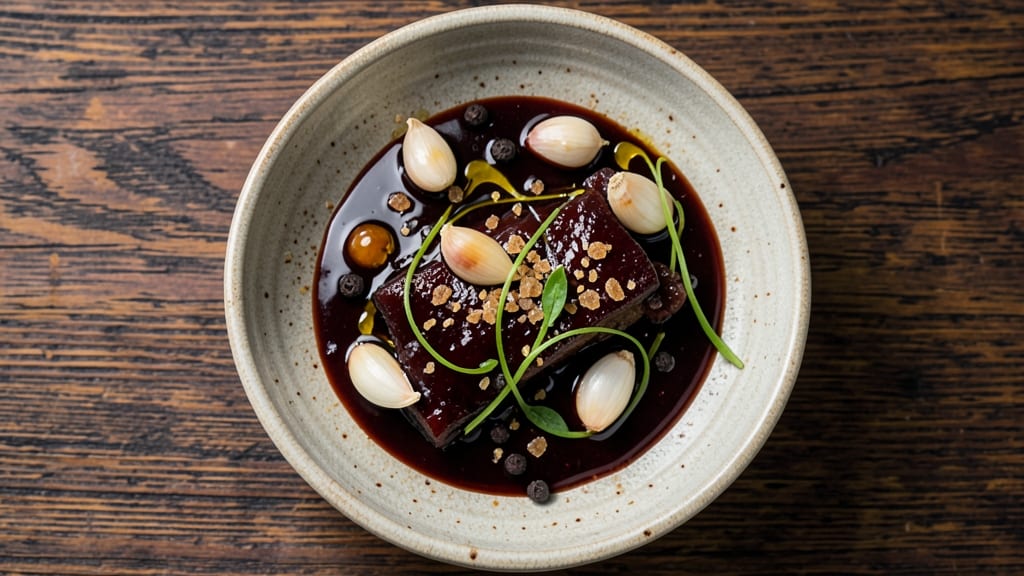
A marinade for boneless beef short ribs that delivers restaurant-quality tenderness starts with this deep umami blend. The secret lies in balancing acidity, aromatic oils, and precise seasoning to break down fibers while infusing flavor—no guesswork, just proven results.
I’ve perfected this marinade over years of testing, ensuring it transforms tough cuts into melt-in-your-mouth perfection in just 4–24 hours.
This recipe relies on three key components: a tangy base of soy sauce and vinegar to tenderize, aromatic garlic and ginger for depth, and a touch of brown sugar to caramelize during cooking.
The combination of acid and umami works together to penetrate the meat, while the oils (sesame and vegetable) create a protective barrier that locks in moisture. No specialty ingredients—just pantry staples that deliver professional-level flavor.
What sets this marinade apart is its ability to preserve texture while maximizing flavor penetration. The longer you marinate (up to 24 hours), the more tender the ribs become, but even 4 hours yields impressive results.
The balance of ingredients ensures the meat stays juicy, not soggy, and develops a rich, caramelized crust when cooked. This is the marinade that turns weeknight dinners into standout meals.
Use this marinade for grilling, broiling, or pan-searing—it’s versatile enough for any cooking method. Store leftovers in an airtight container in the refrigerator for up to 5 days, making it perfect for meal prep.
The key promise here? Tender, flavorful beef short ribs every time, with minimal effort. Let’s get started.
Ingredients for boneless beef short ribs marinade
Nine essential ingredients transform tough beef short ribs into melt-in-your-mouth perfection.
| Ingredient | Amount | Notes |
|---|---|---|
| Kosher Soy Sauce 🍶 | ½ cup | High-quality, full-bodied variety |
| Rice Vinegar 🍶 | ¼ cup | White or seasoned preferred |
| Sesame Oil 🫒 | 2 tbsp | Toasted sesame for authentic flavor |
| Vegetable Oil 🫒 | ¼ cup | Light, neutral flavor preferred |
| Light Brown Sugar 🍚 | 2 tbsp | Packed measurement for accuracy |
| Garlic Cloves 🧄 | 6 whole | Freshly minced for maximum aroma |
| Fresh Ginger 🌿 | 1 tbsp | Grated, not powdered |
| Diamond Crystal Kosher Salt 🧂 | 1 ½ tsp | Fine grain for even distribution |
| Ground Black Pepper 🌶️ | 1 tsp | Freshly cracked for intensity |
| Honey 🍯 | 1 tbsp | Wildflower preferred for depth |
The foundation begins with Kosher soy sauce—opt for brands like Lee Kum Kee or Kikkoman for their rich umami depth. Rice vinegar should be white or seasoned; Mushroom vinegar adds complexity but isn't mandatory. Toasted sesame oil (not regular) is critical for authentic flavor—Kadoya or La Choy are reliable choices. Vegetable oil acts as a moisture barrier; Avocado oil works too for a higher smoke point. Light brown sugar provides caramelization without overpowering—Domino or Great Value brands work consistently. Garlic and ginger must be fresh; pre-minced jars lack potency. Diamond Crystal kosher salt ensures even distribution without overwhelming the marinade.
No rice vinegar? Apple cider vinegar or white wine vinegar work in a pinch, though flavor will shift slightly. Sesame oil unavailable? Use toasted sesame paste (1 tbsp) or extra virgin olive oil (1 tbsp) as a neutral alternative. Brown sugar substitute? Maple syrup or agave nectar (1 tbsp) maintains sweetness without crystallization. Garlic powder (1 tsp) or ginger powder (1 tsp) can replace fresh, but freshly grated ginger and minced garlic deliver superior results. Honey unavailable? Agave nectar or molasses (1 tbsp) preserves the marinade's balance. For gluten-free adaptations, substitute tamari for soy sauce.
Store unused marinade in an airtight container in the refrigerator for up to 5 days. For longer storage, freeze in ice cube trays for 3 months; thaw overnight in the fridge before use. Never reuse marinade after contact with raw meat. When marinating beef short ribs, use 1 cup of marinade per pound of meat for optimal flavor penetration. Marinate 4–24 hours—longer marinating times yield more tender results, but never exceed 24 hours to prevent muscle breakdown. Discard excess marinade after use to avoid cross-contamination.
Why You'll Love This Recipe
- Five-Ingredient Magic: I swear by this combo—just soy sauce, rice vinegar, sesame oil, a touch of sugar, and vegetable oil. No fancy prep, no stress, and the ribs soak up that umami-sweet balance like a dream.
- Weeknight Hero: Between us, this marinade takes 10 minutes to mix and lets me serve restaurant-quality ribs without slaving away. My husband’s favorite? The way the sesame oil adds that nutty depth without extra effort.
- Leftovers That Don’t Suck: The flavor actually deepens overnight—yes, you can marinate ahead. I double the batch, freeze half, and pull it out for lazy Sundays. Still tender, still packed with that caramelized sweetness from the brown sugar.
- Budget Flexibility: Kosher soy sauce and brown sugar stretch my grocery budget, but the taste? It feels like a splurge. I use cheaper cuts of beef, and this marinade makes them taste like they cost twice as much. (No one needs to know my secret.)
Step-by-step instructions for boneless beef short ribs marinade
This marinade transforms tough short ribs into melt-in-your-mouth tenderness through precise ingredient balance.
Combine the Base Ingredients
In a medium mixing bowl, whisk together the 0.5 cup Kosher Soy Sauce and 0.25 cup Rice Vinegar. The acidity of the vinegar will begin breaking down proteins immediately, while the soy sauce infuses deep umami flavor. Let this mixture sit for 5 minutes while you prepare the remaining components—this allows the flavors to begin melding.
Next, add the 2 tbsp Sesame Oil and 0.25 cup Vegetable Oil. The sesame oil contributes nutty depth, while the vegetable oil ensures the marinade clings to the meat. Whisk vigorously for 30 seconds until completely emulsified. The oils should create a silky texture that will penetrate the meat fibers effectively.
Incorporate Sweet and Aromatic Elements
In a separate small bowl, finely mince the 6 whole Garlic Cloves and grate the 1 tbsp Fresh Ginger using a microplane. The goal is to create a paste-like consistency that will distribute evenly throughout the marinade. Add these to the bowl with the oils and whisk until fully combined.
Stir in the 2 tbsp Light Brown Sugar and 1 tbsp Honey. These sweeteners not only balance the acidity but also caramelize slightly during the marinating process, adding another layer of complexity. The sugar will also help create a sticky glaze when the ribs cook. Let the mixture sit for 2 minutes to allow the sugar to begin dissolving completely.
Season and Emulsify
Add the 1.5 tsp Diamond Crystal Kosher Salt and 1 tsp Ground Black Pepper to the bowl. Sprinkle them over the mixture and whisk until fully dissolved. The salt will enhance all flavors while helping to tenderize the meat, while the pepper adds a subtle heat that complements the richness of the beef.
Give the marinade one final whisk to ensure all ingredients are evenly distributed. The final texture should be smooth and cohesive, with no visible separation between the oils and other components. If you notice any separation, whisk again until it returns to a uniform consistency.
Marinate the Short Ribs
Place the boneless beef short ribs in a large resealable plastic bag or glass container with a tight-fitting lid. Pour the marinade over the ribs, ensuring each piece is thoroughly coated. For best results, use your hands to massage the marinade into the meat, working it into all the crevices and edges.
Seal the bag or container and refrigerate for at least 4 hours, but ideally 8-12 hours for maximum tenderness. The acidity in the rice vinegar and soy sauce will begin breaking down the muscle fibers, while the oils and sweeteners work to keep the meat moist. Turn the ribs occasionally during marinating to ensure even exposure to the marinade.
Prepare for Cooking
Before cooking, remove the ribs from the refrigerator and let them sit at room temperature for 30 minutes. This ensures even cooking throughout. You'll notice the marinade has slightly thickened and may have developed a glossy sheen—this indicates the sugars have begun caramelizing, which will contribute to a beautiful crust when cooked.
When ready to cook, strain the marinade through a fine-mesh sieve if you prefer a smoother sauce, or leave it as-is for a more rustic presentation. The ribs are now primed for cooking—whether you plan to grill, braise, or roast, this marinade will deliver that promised tenderness with a deep, complex flavor profile.
Pro Tips For Making Boneless Beef Short Ribs Marinade
- Whisk the Sugar First: I learned this the hard way—dissolving the brown sugar in the rice vinegar before adding soy sauce prevents clumping and gives you a smoother marinade. Stir it into the warm vinegar (not boiling) until it’s fully broken down, then mix in the rest. Trust me, your ribs will taste richer for it.
- Use Cold Sesame Oil: Add the sesame oil last and stir it in right before coating the ribs. It’s delicate stuff—heat destroys its aroma, and you’ll end up with a bland marinade. A splash at the end keeps that nutty punch sharp.
- Don’t Skip the Oil Layer: The vegetable oil isn’t just filler—it creates a barrier that helps the marinade cling to the meat instead of pooling in the pan. Toss the ribs in the oil first, then pour the rest of the marinade over them. (Yes, it feels like extra work, but it makes a real difference.)
- Marinate Overnight, But Flip Once: Leave the ribs in the fridge for at least 6 hours, but flip them halfway through. I used to forget, and the sides would stay dry. A quick turn after 3-4 hours ensures even penetration—no soggy spots, no tough edges.
Storing and reheating this dish
Refrigerator Storage
Store leftover marinade in an airtight glass container (like a Pyrex or mason jar) in the fridge for up to 5 days. The oils and vinegar create a natural preservative barrier, but always refrigerate promptly after use.
I like to portion it into small glass jars for easy grab-and-go meal prep—just shake before using. 🥫
Freezer Preservation
For long-term storage, freeze unused marinade in ice cube trays or silicone molds for 3 months. Once frozen, transfer cubes to a freezer-safe bag with all air removed to prevent freezer burn.
Thaw overnight in the fridge before using—never microwave, as it can degrade the delicate balance of flavors. Label with the date to track freshness.
Marinated Meat Handling
After marinating beef short ribs for 4-24 hours, cook them immediately to prevent bacterial growth. If you must store marinated meat, transfer it to an airtight container with the marinade and refrigerate for up to 2 days.
Never reuse leftover marinade that touched raw meat—discard it after use to avoid cross-contamination. Always cook marinated meat to an internal temperature of 145°F for safety.
Reheating Cooked Ribs
Reheat leftover marinated ribs in a skillet over medium-low heat with 2 tbsp beef broth to maintain moisture. Cover and cook for 5-7 minutes, stirring occasionally, until reaching 165°F.
For oven reheating, bake at 300°F for 10-12 minutes wrapped in foil. Avoid microwaving—it dries out the meat and disrupts the marinade’s caramelized crust. 🔥
Reviving Stale Marinade
If your marinade separates after refrigeration, whisk in 1 tbsp warm water or beef broth to restore its emulsified texture. For extra depth, add ½ tsp soy sauce or 1 tsp honey to revive the umami and sweetness.
Stir well and let it sit for 10 minutes before using—this simple trick works wonders for leftover marinade that’s lost its luster. ✨
Nutrition facts
Frequently asked questions
Can I use this marinade for other cuts of beef?
This marinade works beautifully on flank steak, skirt steak, or even chuck roast. The balance of acid and oil makes it perfect for tougher cuts that need tenderizing. For leaner cuts like sirloin, reduce marinating time to 2-4 hours to avoid over-softening the texture.
What if I don't have rice vinegar?
Substitute with apple cider vinegar or white wine vinegar in a 1:1 ratio. The flavor will shift slightly but still deliver great results. For extra depth, add 1 tsp fish sauce to replace the umami from soy sauce if needed. The key is maintaining the acidity for proper tenderization.
How do I prevent the marinade from making the meat mushy?
Never marinate for longer than 24 hours—the acid breaks down fibers, and over-marinating leads to mushiness. Use 1 cup marinade per pound of meat and avoid excess liquid. For best results, pat the meat dry before cooking to create a better sear. The oils in the marinade help protect the meat's texture while adding flavor.
Can I make this marinade ahead of time?
Yes! Prepare the marinade up to 5 days ahead and store it in an airtight container in the fridge. The flavors actually develop better over time. When ready to use, whisk it well to re-emulsify any separated oils. For longer storage, freeze in ice cube trays for up to 3 months—just thaw overnight in the fridge before marinating.
What's the best way to cook marinated short ribs?
For maximum flavor, sear the ribs first in a hot skillet with 1 tbsp oil until browned, then finish in the oven at 300°F for 2-3 hours until tender. The marinade's sugars will caramelize beautifully during cooking. For grilling, cook over medium-high heat for 4-5 minutes per side, then move to indirect heat to finish.