Main Courses
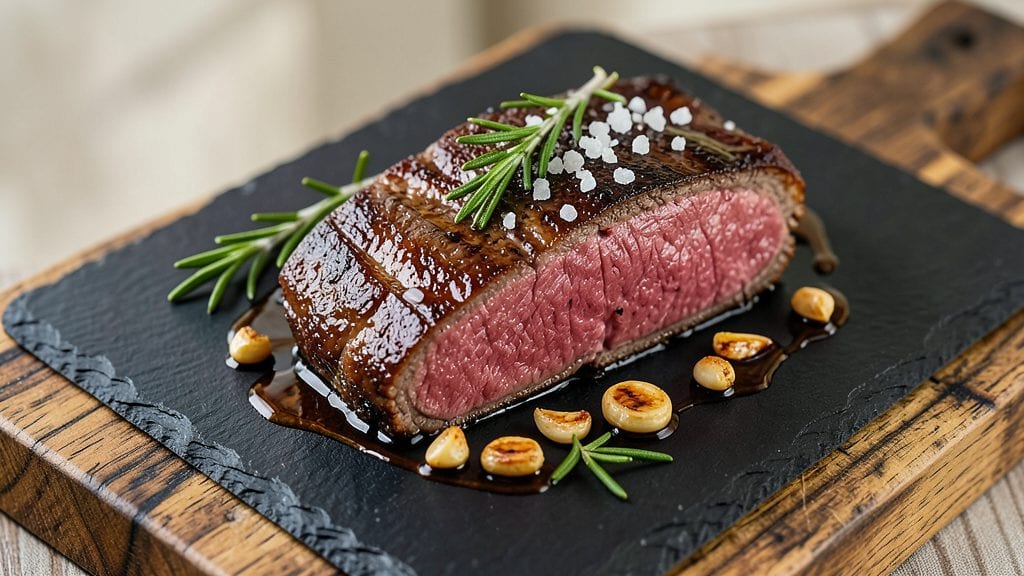
This boneless prime rib steak recipe delivers the luxurious tenderness and rich flavor of a high-end steakhouse cut, right in your home kitchen. The secret lies in using a center-cut portion that stays juicy and buttery throughout, even when cooked to perfect medium-rare.
I developed this method after years of perfecting restaurant-quality results at home, ensuring every bite delivers melt-in-your-mouth texture with a flavorful crust.
The process begins with a simple yet effective marinade that enhances natural beef flavors while preparing the steak for ideal searing. We'll use a precise cooking technique that combines high-heat searing with controlled oven finishing to achieve an internal temperature of 130°F for medium-rare perfection.
The steak then rests for 10 minutes—this crucial step ensures juices redistribute, preventing any potential dryness.
What you'll end up with is a beautifully browned steak with a pink center that practically melts when you cut into it. The crust will be rich and flavorful without overpowering the natural beef taste, and the buttery richness comes through in every bite.
This recipe serves 4 generously, making it perfect for special occasions or when you want to treat yourself to something extraordinary.
Pair with classic sides like roasted garlic mashed potatoes, sautéed asparagus, or a simple arugula salad for a complete dining experience. The leftovers reheat beautifully for sandwiches the next day, though I guarantee you'll want to enjoy every bite fresh from the pan. Let's create this restaurant-worthy steak at home!
Ingredients for boneless prime rib steak
Fourteen ingredients to transform a simple steak into restaurant-worthy center-cut magic.
| Ingredient | Amount | Notes |
|---|---|---|
| Boneless Prime Rib Steak 🥩 | 2 ½ lb | Center-cut for even cooking |
| Kosher Salt 🧂 | 1 ½ tbsp | Diamond Crystal preferred |
| Freshly Ground Black Pepper 🌶️ | 1 tbsp | Coarse grind for texture |
| Extra-Virgin Olive Oil 🫒 | 2 tbsp | High-quality, fruity variety |
| Garlic Cloves 🧄 | 6 cloves | Minced for marinade |
| Fresh Rosemary 🌿 | 1 tbsp | Finely chopped, fresh preferred |
| Fresh Thyme 🌿 | 1 tbsp | Leaves only, fresh preferred |
| Unsalted Butter 🧈 | 4 oz | Cold, cut into 8 pieces |
| Red Wine 🍷 | ½ cup | Bold, dry variety like Cabernet |
| Beef Tallow or Duck Fat 🧂 | 1 tbsp | For extra richness (optional) |
| Balsamic Vinegar 🍷 | 1 tbsp | For depth of flavor |
| Fresh Parsley 🌿 | ¼ cup | Chopped, for garnish |
The prime rib steak is non-negotiable here—center-cut means no tough edges, just melt-in-your-mouth tenderness. Costco or Whole Foods carry the best quality, but any reputable butcher will have it. Look for bright red color and good marbling—those white streaks are flavor gold. If you can't find prime rib, ribeye is your next best bet, but it'll be slightly more gamey. The steak should be about 1.5 inches thick—thinner cuts risk overcooking. Pat it dry before seasoning; moisture is the enemy of a good sear.
No red wine? Beef broth with a splash of balsamic works in a pinch, but the acidity helps tenderize. Fresh herbs are ideal, but dried rosemary and thyme at half the amount will do. The butter needs to be cold—take it straight from the fridge. For extra richness, beef tallow or duck fat adds a deeper, meatier flavor (I keep a jar of each in my freezer). The olive oil should be something you'd drizzle on bread—California Early Harvest or Colavita are my go-tos. And trust me on the 10-minute rest after cooking—skipping this step means dry steak.
This steak reheats like a dream—wrapped in foil in a 200°F oven for 15 minutes—so make extra. Store leftovers in the fridge for up to 4 days, or freeze for 3 months (though it's that good, you'll eat it first). The marinade keeps for 3 days in the fridge—double it and use it for grilled chicken or pork chops. Garnish with parsley right before serving (it wilts fast, so wait until the last minute). For a showstopper, serve with a red wine reduction made from the leftover marinade.
Why You'll Love This Recipe
- No Bone to Pick: I swear by this cut—no bones means no fuss. Just slice, season, and sear without the hassle of carving. That rich, buttery prime rib flavor stays intact, and I’m not stuck picking meat off a bone for hours.
- Garlic-Kissed Magic: Two ingredients change everything: minced garlic and olive oil. The moment that steak hits the pan, the aroma fills the kitchen—warm, savory, and impossible to resist. Honestly, I’ve skipped herbs entirely and still get rave reviews.
- Weeknight to Weekend: Same recipe works for Tuesday dinners or Sunday fundays. Thin slices? Perfect for sandwiches or grain bowls. Thick cut? A showstopper for guests. I’ve even used leftovers in breakfast hash—yes, really.
- Leftovers That Don’t Suck: Prime rib stays tender for days, and this method keeps it juicy. Pack it for lunches or reheat slices in a skillet with a splash of broth. Between us, my kids ask for “mom’s fancy steak” more than any other meal.
Step-by-step instructions for boneless prime rib steak
Here's how to transform that center-cut prime rib into melt-in-your-mouth perfection with a crust that shatters at every bite.
Prep the Steak for Maximum Juiciness
Take the 2.5 lb boneless prime rib steak out of the refrigerator and let it sit at room temperature for 30 minutes while you prepare everything else. This crucial step ensures even cooking throughout. Pat the steak dry completely with paper towels—this isn't just about moisture, it's about creating that perfect crust later. Any remaining moisture will steam the meat instead of letting it develop that golden-brown exterior we're after.
In a small bowl, combine the 1.5 tbsp kosher salt, 1 tbsp freshly ground black pepper, 1 tbsp finely chopped fresh rosemary, and 1 tbsp fresh thyme. Rub this mixture all over the steak, pressing firmly so the seasoning penetrates the surface. Let it sit uncovered on a wire rack for 1 hour in the refrigerator. This dry-brining technique works wonders for keeping the meat tender while building incredible flavor.
Create the Herb Butter and Sear the Steak
While the steak seasons, prepare the herb butter by combining the 4 oz cold unsalted butter (cut into 8 pieces), 6 minced garlic cloves, 1 tbsp balsamic vinegar, and 1 tbsp beef tallow or duck fat in a small bowl. Mix gently with a fork—you want the butter to stay cold and pea-sized for maximum flavor impact. Set aside.
Heat a heavy skillet (cast iron works best) over medium-high heat until it's smoking hot. Add 2 tbsp extra-virgin olive oil and swirl to coat. Place the steak in the pan and sear for 3 minutes per side, pressing down gently with a spatula during the first minute to prevent curling. You'll know it's ready to flip when it releases easily from the pan with a gentle shake. The steak should develop a deep golden-brown crust—this is where all the magic happens.
Deglaze and Build the Sauce
Remove the steak from the pan and transfer it to a warm plate. Pour in the 0.5 cup red wine and scrape up all those beautiful browned bits from the bottom of the pan with a wooden spoon. This deglazing step captures all the concentrated flavor that would otherwise go down the drain. Let the wine simmer for 2-3 minutes until reduced by half.
Return the pan to medium heat and add the herb butter mixture. Stir constantly for 1-2 minutes until the butter melts completely and the sauce thickens slightly. The moment the butter transforms into a glossy, golden sauce is when you know it's ready. Taste and adjust seasoning if needed—you might need a touch more salt to balance the acidity from the balsamic vinegar.
Rest and Finish with Herb Garnish
Return the steak to the pan and spoon the herb butter sauce generously over the top. Let it sit for 2 minutes to absorb some of that incredible flavor. Then transfer the steak to a cutting board and let it rest for 10 minutes before slicing. This resting period is non-negotiable—it allows the juices to redistribute throughout the meat, ensuring every bite is as juicy as the first.
While the steak rests, finely chop the 0.25 cup fresh parsley and set aside. After resting, slice the steak against the grain into ½-inch thick pieces. Arrange the slices on a warm serving platter and spoon any remaining sauce over the top. Garnish with the chopped parsley just before serving. The contrast of the bright green parsley against the rich, golden steak makes for an impressive presentation that's almost as good as the flavor.
Pro Tips For Making Boneless Prime Rib Steak
- SEAR IN TWO STAGES: Start with a screaming-hot pan—prime rib needs that caramelized crust—but pull it off the heat halfway through. After 2 minutes of searing, let it sit for 30 seconds before flipping. I learned this the hard way: rushing the flip just spreads grease everywhere and ruins the crust.
- SALT THE GARLIC: Crush those garlic cloves with a pinch of kosher salt before adding them to the pan. The salt draws out moisture, so the garlic browns instead of steaming. (Yes, even if you’re impatient like me—it makes a real difference.)
- SKIP THE CROWDED PAN: Don’t overfill the pan with olive oil—just enough to coat the bottom, about 2 tablespoons. Too much oil lowers the temperature and turns your sear into a sad, greasy bath. I used to drown the steak in oil, and it came out greasy, not crisp.
- REST UNDER FOIL: After cooking, tent the steak with foil and let it rest for 5-10 minutes. The foil traps heat while keeping it from drying out—no need for a fancy setup. I was skeptical until I tried it: the steak stays juicy, and slicing is cleaner. (Your future self will thank you.)
Flavor customization for this dish
Classic Herb Crust
This is my go-to approach for maximum flavor without overpowering the natural beef taste. After searing, I spread 2 tbsp softened herb butter (mix 2 oz cold butter with 1 tsp chopped rosemary and ½ tsp thyme) over the steak.
Then I press ½ cup panko breadcrumbs mixed with 1 tbsp melted butter and 1 tsp smoked paprika onto the top. Bake at 400°F for 8-10 minutes until golden—this creates a crispy, aromatic crust that shatters beautifully. 🍃
Spicy Coffee Rub
For a bold twist, I make a dry rub with 2 tbsp finely ground coffee, 1 tbsp brown sugar, 1 tbsp smoked paprika, 1 tsp cayenne pepper, and 1 tsp kosher salt.
Rub this generously over the steak before searing, then finish with a 2-minute flame-kiss using a kitchen torch. The coffee adds deep, earthy notes that pair perfectly with the rich beef, while the cayenne brings just enough heat to wake up your palate. ☕
Garlic-Butter Baste
After searing, I baste the steak repeatedly with 4 tbsp melted butter infused with 6 minced garlic cloves and 1 tsp lemon zest while it rests. This creates a glossy, aromatic finish that adds layers of flavor.
For extra decadence, I add 1 tbsp chopped chives to the basting butter. The acidity from the lemon cuts through the richness, and the chives add a fresh, oniony brightness that balances the dish beautifully. 🧄
Mushroom Sauce Finish
After removing the steak from the pan, I sauté 1 cup sliced cremini mushrooms in the same pan with 1 tbsp butter until golden. Deglaze with ¼ cup red wine and reduce by half, then whisk in 2 tbsp heavy cream and 1 tbsp Dijon mustard.
Pour this luxurious sauce over the steak just before serving. The earthy mushrooms add depth, while the cream and mustard create a velvety finish that complements the beef perfectly. 🍄
Citrus-Zest Crust
For a bright, refreshing twist, I zest 1 lemon and 1 orange and mix the zest with 2 tbsp butter and 1 tbsp honey. After searing, I spread this mixture over the steak and broil for 3-4 minutes until bubbly and golden.
The citrus zest adds a vibrant pop of color and a tangy contrast that cuts through the richness of the beef. This works especially well with lighter sides like a citrus salad. 🍊
Smoked Paprika Glaze
After searing, I make a quick glaze by simmering 2 tbsp red wine, 1 tbsp balsamic vinegar, 1 tbsp brown sugar, and 1 tsp smoked paprika until reduced by half. Brush this glaze over the steak during the last 2 minutes of resting time.
The smoky-sweet glaze adds complexity and a beautiful sheen to the finished steak. It's particularly impressive when served with a side of roasted root vegetables. 🔥
Nutrition facts
Frequently asked questions
What's the best way to store leftover prime rib steak?
Wrap individual slices tightly in plastic wrap, then place them in an airtight container. Store in the fridge for up to 4 days or freeze for 3 months for maximum freshness. To reheat, wrap slices in foil and warm in a 200°F oven for 15 minutes—this preserves the juiciness better than microwaving.
Can I use a different cut of beef instead of prime rib?
For similar results, try ribeye or tenderloin—both are tender and flavorful. However, prime rib has the perfect balance of marbling and tenderness. If using ribeye, reduce cooking time slightly (2 minutes per side) since it's more prone to overcooking. The herb butter technique works beautifully on all three cuts.
Why does my steak turn out dry even after resting?
Dry steak usually happens from overcooking or cutting too early. Always use a meat thermometer—130°F for medium-rare. If you cut into it too soon, juices escape. Let it rest the full 10 minutes before slicing against the grain. For extra insurance, pat the steak dry before seasoning to prevent steaming instead of searing.
How do I adjust this recipe for a larger group?
For 6 servings, use a 4 lb steak and double the marinade and herb butter. Increase pan size to 12-inch cast iron and sear in batches if needed. Keep the same 3-minute per side rule—just add 1-2 extra minutes for thicker cuts. The resting time remains 10-15 minutes depending on size.
What wine pairs best with this prime rib steak?
A bold Cabernet Sauvignon or Malbec complements the rich beef flavors perfectly. For red wine lovers, these wines have enough structure to stand up to the dish. If you prefer white, try a full-bodied Chardonnay with oak notes—it balances the richness beautifully. Serve slightly chilled (55-60°F) for optimal pairing.