
Beverages
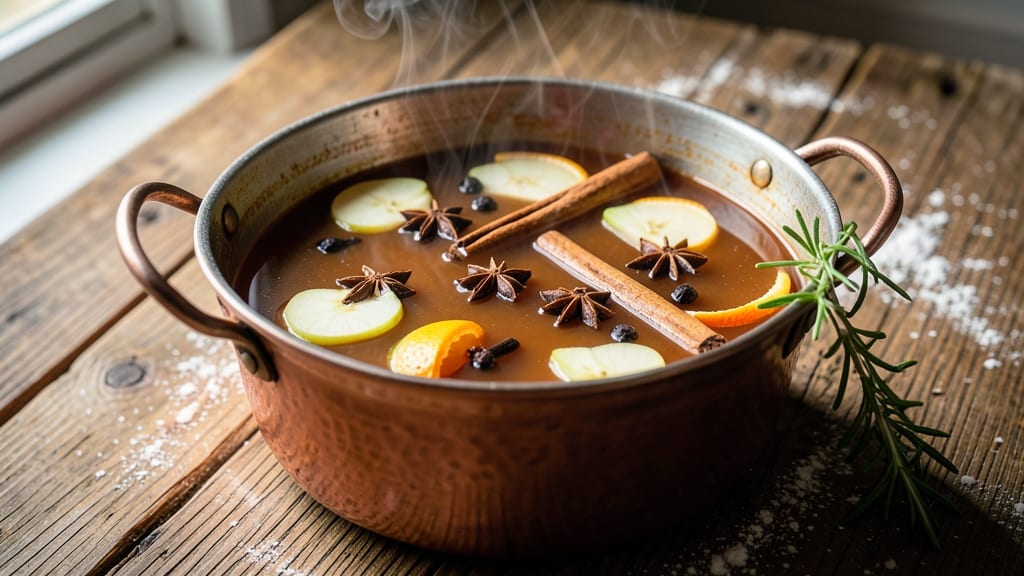
This classic apple cider recipe captures the essence of autumn with every sip—warm, aromatic, and perfectly spiced. The secret lies in slow-simmering apple slices with cinnamon, cloves, and a touch of orange peel, creating a fragrant, naturally sweet brew that feels like a hug in a mug.
I developed this version after years of testing, balancing tradition with foolproof simplicity for home kitchens.
What makes this cider special is its versatility—serve it warm for cozy gatherings or chill it slightly for a refreshing autumn drink. The spices infuse deeply during the 1-hour simmer, while the apples break down just enough to release their natural sweetness without turning mushy.
For a non-alcoholic version, skip fermentation entirely; for a fermented twist, add yeast and let it sit for 3-5 days before filtering.
The result is a rich, velvety cider with layers of cinnamon warmth, clove depth, and subtle apple brightness. Garnish with star anise or a cinnamon stick for presentation, and store leftovers in the fridge for up to 1 week.
This is the kind of drink that transforms ordinary evenings into autumnal celebrations.
Perfect for sipping by a fireplace, pairing with donuts, or offering at harvest festivals. The recipe scales easily—double it for parties or halve it for small batches. Let's make this seasonal staple!
Ingredients for classic apple cider
Nine essential ingredients transform into velvety autumn cider with deep spice notes and natural sweetness.
| Ingredient | Amount | Notes |
|---|---|---|
| Granny Smith Apples 🍎 | 4 medium | Peeled, cored, sliced into wedges |
| Orange Peel 🍊 | 1 large | Organic, organic only for flavor |
| Cinnamon Sticks 🌿 | 4 whole | High-quality, aromatic variety |
| Whole Cloves 🌶️ | 6 whole | Freshly pounded lightly |
| Star Anise Pods 🌟 | 2 whole | Whole, not ground |
| Water 💧 | 4 cups | Filtered preferred for clarity |
| Brown Sugar 🍚 | ½ cup | Packed, light variety |
| Lemon Juice 🍋 | 1 tbsp | Freshly squeezed |
| Vanilla Extract 🌸 | ½ tsp | Pure, high-quality |
| Salt 🧂 | ¼ tsp | Diamond Crystal kosher |
The apples form the cider's foundation—Granny Smiths provide tart brightness that balances the sweetness. Organic oranges are ideal for their concentrated peel oils, though conventional works if organic isn't available. Look for firm, unblemished apples at specialty markets or the produce section of Whole Foods for optimal quality. The spices should be whole and aromatic—Penzeys Spices carries excellent whole cloves and star anise. For the brown sugar, light variety dissolves more cleanly than dark, though dark adds subtle molasses notes if you prefer.
No star anise? Anise seeds at double the amount provide similar licorice notes. Substituting cinnamon powder for sticks works in a pinch, though the sticks infuse more deeply. Organic orange peel unavailable? Conventional peel works, but wash thoroughly. The vanilla extract can be omitted for a purer apple flavor, though it adds complexity. For a sugar-free version, reduce the brown sugar to 0.25 cup and add 1 tbsp honey instead. The water should be filtered if possible—Brita-filtered tap water works well for clarity without the cost of bottled.
Store the finished cider in airtight glass jars in the refrigerator for up to 1 week, though it develops deeper flavor over time. For longer storage, freeze in ice cube trays—thaw overnight in the fridge before reheating. The spices can be reused once or twice for subsequent batches if stored in an airtight container away from light. This cider reheats beautifully—simmer gently for 5-10 minutes to restore warmth, adding a splash of water if needed to thin slightly.
Why You'll Love This Recipe
- Pantry-Only Magic: I swear by this recipe because it uses spices I already have—no extra shopping trips. The star anise and cloves add depth without costing a fortune, and the orange peel gives that bright, unexpected zing that makes it feel special.
- Crisp-Sweet Balance: Granny Smiths bring the tangy punch, but the cinnamon and orange peel soften it into something warm and inviting. Honestly, the first sip feels like autumn in a mug—no artificial flavors needed.
- Crowd-Pleaser Always: Serve it warm at Thanksgiving, sip it by the fire in winter, or even pack it in thermoses for a picnic. Between us, my college-aged kids still ask for it when they visit, and that’s the real test.
- Zero-Waste Winner: The peels and spices infuse the cider so well that nothing goes to waste—even the leftover peels can go into compost. Plus, a big batch keeps for weeks in the fridge, so I’m always covered for last-minute guests.
Step-by-step instructions for crafting classic apple cider
Aromatic and deeply satisfying, this traditional simmered cider captures autumn's essence with precise spicing and gentle sweetness.
Prepare the Apple Base
Begin by peeling, coring, and slicing the 4 medium Granny Smith Apples into even wedges. The tartness of Granny Smith balances the sweetness beautifully, creating that signature cider profile. Place the apple slices in a large pot with the 4 cups Water and bring to a gentle boil over medium-high heat.
Once boiling, immediately reduce to medium-low heat and allow the mixture to simmer uncovered for 15 minutes. This initial simmer softens the apples while preventing them from breaking down completely. You'll notice the liquid turning pale golden and the apples releasing their natural sweetness into the water. This foundational step ensures proper extraction of apple flavors without creating a mushy texture.
Add Spices and Sweetener
After the initial simmer, stir in the 0.5 cup Brown Sugar, 1 tbsp Lemon Juice, 0.25 tsp Salt, and the 1 large Orange Peel (cut into thin strips). The brown sugar dissolves quickly, adding depth and balancing the tartness. Add the 4 whole Cinnamon Sticks, 6 whole Whole Cloves, and 2 whole Star Anise Pods—these whole spices will infuse the cider with their aromatic qualities without overpowering the apple flavor.
Return the mixture to a gentle simmer and cook uncovered for 20-25 minutes. The spices should be fragrant but not bitter—this is where the magic happens. Stir occasionally to prevent the apples from sticking to the bottom. You'll see the liquid deepen in color and develop a rich, spiced aroma. The star anise and cloves release their essential oils gradually, creating layers of complexity that define classic cider.
Finish with Vanilla and Strain
Remove the pot from heat and stir in the 0.5 tsp Vanilla Extract. This final touch adds warmth and rounds out the spice profile. Let the cider steep off the heat for 10 minutes, allowing the flavors to meld completely. The vanilla enhances the natural sweetness while adding a subtle floral note that complements the citrus and spices.
Line a fine-mesh strainer with cheesecloth or a clean kitchen towel and strain the cider into a clean pitcher or bowl. Press gently on the solids to extract all the liquid, but avoid squeezing the spices too hard—this can make the cider bitter. The resulting liquid should be clear golden with a rich, spiced aroma. Discard the solids or compost them—they're too fibrous for further use.
Serve Warm and Enjoy
Ladle the strained cider into mugs and serve immediately while warm. For the best experience, garnish each serving with an additional cinnamon stick or a sprinkle of ground cinnamon. The cider should be sweet, aromatic, and perfectly balanced—neither cloying nor overly tart. The spices should be present but not dominant, allowing the apple's natural character to shine through.
This classic cider keeps well in the refrigerator for up to 5 days, though it's best enjoyed fresh. For a festive touch, serve with apple slices on the side or pair with warm pastries. The technique is simple, but the attention to spice balance and simmering time transforms ordinary apples into a drink that embodies autumn's cozy spirit.
Pro Tips For Making Classic Apple Cider
- PEEL ORANGES THINLY: The zest is where the magic lives, but don’t go for the thick strips—aim for paper-thin slices so they infuse flavor without turning your cider into a pulp. I used to tear them off in big chunks, and they’d just sit at the bottom like soggy confetti. A sharp peeler or mandoline does this in seconds.
- SIMMER LOW AND SLOW: This isn’t a race. A gentle simmer (just bubbles breaking the surface, not rolling) for 30–45 minutes lets the spices and apples meld without scorching. I learned this the hard way—boiling it aggressively made the cider taste bitter and the cloves taste like medicine. Patience here makes all the difference.
- USE FRESHLY GROUND SPICES: Whole cloves and star anise lose their punch if they’ve been sitting in your spice rack for months. Crush the cloves lightly with the flat side of a knife before adding them—this releases their aroma without turning the cider into a spice slurry. Same goes for cinnamon: a fresh stick is better than pre-ground powder floating in there.
- STRAIN TWICE FOR CLEAR CIDER: After simmering, strain through a fine-mesh sieve first to catch big chunks, then a cheesecloth or coffee filter for that silky-smooth finish. I skip the second strain sometimes, and the cider ends up cloudy—like you’re drinking apple juice with a side of pulp. Worth the extra 30 seconds.
Common mistakes when making this dish
Over-Simmering Apples
One of the most common mistakes is letting the apples cook too long, which turns them mushy and makes the cider bitter. I’ve seen batches where the apples broke down completely, creating a thick, unappealing sludge.
To avoid this, stick to the 15-minute initial simmer for the apple base—any longer risks losing the delicate apple flavor. If you’re worried about doneness, taste a small amount of liquid after 10 minutes to check for sweetness. 🍎
Skipping the Strain
Leaving the spices and apple fibers in the cider can make it gritty and unpleasant to drink. I’ve made this mistake myself—straining through a regular sieve leaves behind too many particles. Instead, line your strainer with cheesecloth or a clean kitchen towel for a smoother result.
Press gently but don’t squeeze the solids, or you’ll extract bitter compounds from the spices. The goal is a clear, golden liquid with just the right amount of spice infusion. 🧶
Using Ground Spices
Ground cinnamon, cloves, or star anise dissolve into the cider, making it taste harsh and overpowering. Whole spices infuse flavor gradually without bitterness. If you only have ground spices, use half the amount and remove them after 10 minutes of simmering.
I recommend buying whole spices from Penzeys or your local spice market—they’re worth the investment for this recipe. 🌿
Ignoring the Steeping Time
Rushing the final 10-minute off-heat steep with vanilla can leave the cider flat. This step lets the flavors meld completely—skipping it means missing out on the depth of aroma and sweetness.
I’ve noticed that even 5 extra minutes of steeping makes a noticeable difference in complexity. Cover the pot loosely with a lid to trap heat while allowing steam to escape. ✨
Incorrect Sugar Balance
Adding too much brown sugar makes the cider cloyingly sweet, while too little leaves it tart and unbalanced. Start with the ½ cup as written, then adjust to taste—you can always add more sugar later. If your apples are particularly tart (like Granny Smiths), you might need the full amount.
For a lighter touch, reduce to ⅓ cup and add 1 tbsp honey instead. The key is harmony between sweetness and spice. 🍚
Reusing Spices Too Often
Spices lose their aroma after multiple uses, leading to weak or stale-tasting cider. I’ve reused cinnamon sticks and cloves up to three times, but after that, they start to taste dull.
Store them in an airtight container away from light and moisture, and replace them if they smell faint or lose their snap. Fresh spices make all the difference in a well-balanced cider. 🌟
Nutrition facts
Frequently asked questions about spiced apple cider
Can I make this cider without brown sugar?
For a refined sweetness, use ⅓ cup honey or ¼ cup maple syrup instead. Honey adds floral notes while maple syrup provides a deeper caramel flavor. If you prefer less sweetness, reduce the sugar to ⅓ cup and add 1 tbsp lemon juice to brighten the apple's tartness. The key is balancing sweetness with the natural acidity of the apples.
How do I store leftover cider?
Transfer the cider to airtight glass jars and refrigerate for up to 5 days. For longer storage, freeze in ice cube trays—thaw overnight in the fridge before reheating. Reheat gently on the stove, adding a splash of water if needed to restore consistency. Avoid reheating in the microwave, as it can make the spices taste harsh.
Can I make this cider with frozen apples?
Frozen apples work in a pinch, but fresh apples yield the best flavor and texture. If using frozen, thaw them first and pat dry to prevent excess moisture from diluting the cider. For a richer result, use a mix of 2 fresh and 2 frozen apples. The fresh apples provide better flavor extraction during simmering.
What’s the best way to serve this cider?
Serve warm in mugs with a cinnamon stick stirrer or a sprinkle of ground cinnamon. For a festive touch, pair with apple slices, gingerbread cookies, or donuts. Chill slightly for a refreshing drink, or serve over ice with a splash of ginger ale for a spiced apple cider float. The cider also makes a fantastic base for mulled wine—just add ½ cup red wine per quart of cider.
Can I ferment this cider into hard apple cider?
Yes! After simmering, let the strained cider cool to 70°F, then add ½ tsp wine yeast per quart. Cover with a cloth and ferment at 68-72°F for 3-5 days, stirring daily. Strain again, bottle, and age for 2-4 weeks for a light, spiced hard cider. Use a hydrometer to monitor alcohol content—this batch typically reaches 4-6% ABV.