Main Courses
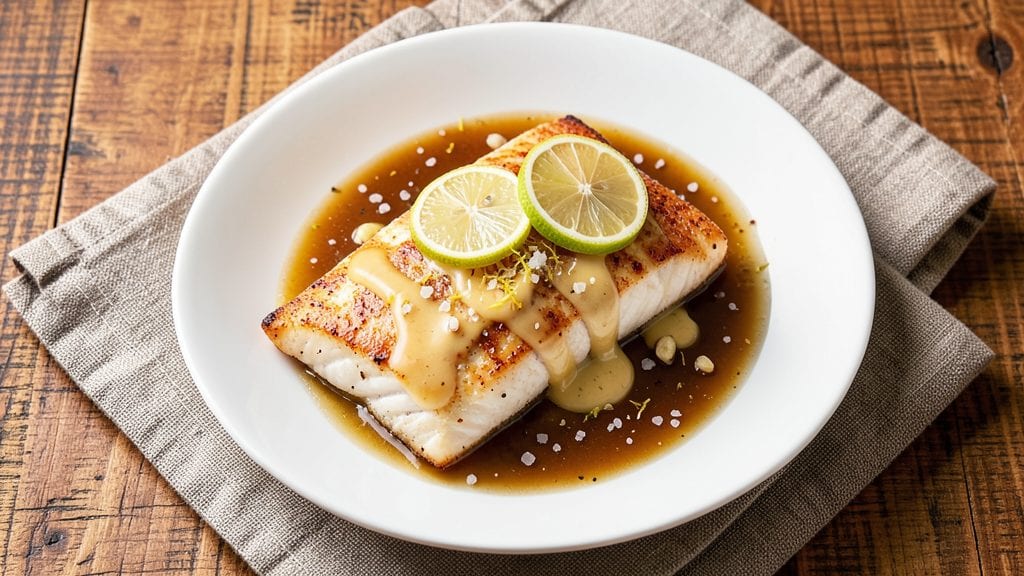
This lemon butter baked fish recipe transforms simple weeknight dinners into a restaurant-worthy experience with just five ingredients and 20 minutes of active time. The secret lies in balancing bright citrus with rich, creamy butter that creates a golden crust while keeping the fish perfectly flaky inside.
I developed this method after years of testing—it’s the one my family requests most often, and it’s foolproof for beginners.
The magic happens in the oven, where high heat melts the butter into a fragrant, caramelized sauce that clings to every flake of fish. A sprinkle of lemon zest and juice adds that signature zing, cutting through the richness while enhancing the natural sweetness of the fish.
What you’ll end up with is tender, moist fish topped with a glossy, buttery crust that’s impossible to resist.
This recipe works beautifully with white fish like cod, halibut, or tilapia, but even delicate varieties like flounder hold up perfectly. The method scales easily for one or four servings, making it ideal for both solo meals and dinner parties.
Once you try it, you’ll never go back to plain baked fish again—this version delivers restaurant-quality results at home.
Serve with roasted vegetables, crusty bread, or a simple salad to soak up every last bit of that lemon butter sauce. The contrast of flaky fish, creamy butter, and bright citrus creates a harmonious balance that’s both comforting and exciting. Let’s get started on this effortless yet impressive dish.
Ingredients for lemon butter baked fish
Five simple ingredients create restaurant-quality lemon butter baked fish in minutes.
| Ingredient | Amount | Notes |
|---|---|---|
| White Fish Fillets 🐟 | 4 pieces | Cod, halibut, or tilapia preferred |
| Unsalted Butter 🧈 | ½ cup | Cold, cut into small cubes |
| Lemon Zest 🍋 | 1 tbsp | From 1 large organic lemon |
| Fresh Lemon Juice 🍋 | 2 tbsp | From same lemon as zest |
| Garlic Cloves 🧄 | 2 cloves | Minced, for extra flavor depth |
| Sea Salt 🧂 | ½ tsp | Kosher or fine grain preferred |
| Freshly Ground Black Pepper 🌶️ | ¼ tsp | Freshly cracked for best flavor |
| Fresh Parsley 🌿 | ¼ cup | Chopped, for garnish and color |
| Extra-Virgin Olive Oil 🫒 | 1 tbsp | For oiling the baking dish |
The fish is the foundation, so choose wisely. Wild-caught cod or halibut from the seafood counter delivers the best texture—look for fillets with a firm, translucent appearance and no fishy odor. If you prefer tilapia, Trader Joe's or Whole Foods carry sustainably sourced options that work beautifully. The butter should be cold and unsalted—salted butter can make the fish too salty. Pat the fillets dry before baking; this ensures a perfect crust. For lemon, organic lemons from the produce section have more vibrant zest, but any fresh lemon will work in a pinch.
No lemon zest? Substitute 1 tbsp bottled lemon juice plus 1/4 tsp lemon extract, but fresh zest adds that signature aroma. Running low on butter? Greek yogurt or light cream cheese can replace up to half the butter for a lighter version. If you're missing garlic, 1/2 tsp garlic powder works, though fresh minced garlic is ideal. For extra richness, add a pinch of Dijon mustard to the butter mixture. The parsley is optional but adds freshness—dried parsley at half the amount works if you're out. Always use extra-virgin olive oil for oiling the dish; it has a lower smoke point and adds subtle flavor.
Prep the fish just before baking—it cooks quickly. The butter should be cold when it goes in the oven to create that signature crust. Leftovers reheat beautifully in a 350°F oven for 5-7 minutes, covered with foil. Store in an airtight container for up to 2 days. For meal prep, bake an extra fillet—it reheats perfectly for lunches. The lemon butter sauce freezes well if you want to make it ahead; just thaw and reheat gently before serving.
Why You'll Love This Recipe
- Foolproof Timing: I swear by this—just toss the fish, butter, and lemon on a sheet pan, then forget about it. Twenty minutes later, dinner’s done. No hovering, no stress, just that golden crust I can’t resist.
- Butter-Zest Magic: That lemon zest? It’s the secret weapon—bright, tangy, and clinging to every bite. The butter melts into a silky blanket, while the garlic adds just enough punch to make it feel fancy without the fuss.
- Weeknight Wonder: Between us, this is my go-to when I’m too tired to think. Serve it over rice with steamed greens for a full meal, or plate it with crusty bread for a lazy Sunday. Honestly, it never feels like a chore.
- Budget-Friendly Luxury: White fish is affordable, and a single fillet feeds one. But here’s the kicker—leftovers reheat beautifully, so I often double the batch. Suddenly, a simple dinner becomes a meal that stretches without sacrificing flavor.
Step-by-step instructions for lemon butter baked fish
Here's how to create a restaurant-quality baked fish with a golden crust and rich lemon butter flavor.
Prepare the Lemon Butter Mixture
In a medium bowl, combine the 0.5 cup unsalted butter, 1 tablespoon lemon zest, 2 cloves minced garlic, and 0.5 teaspoon sea salt. Use a fork to mash everything together until the butter is fully incorporated and the mixture becomes smooth. This creates the flavorful base that will melt over the fish.
Add the 2 tablespoons fresh lemon juice and 0.25 teaspoon freshly ground black pepper, mixing well to distribute all the flavors evenly. The butter should take on a bright yellow color from the lemon zest, indicating proper incorporation. If the mixture looks too thick, you can gently warm it for 10 seconds in the microwave to soften it slightly, but don't let it melt completely.
Season and Oil the Fish Fillets
Pat each of the 4 white fish fillets completely dry with paper towels. This is crucial for achieving crispy skin. Place the fillets on a cutting board and season both sides generously with sea salt and black pepper. I like to use about half of the remaining seasoning on each side to ensure good flavor distribution.
Lightly brush each fillet with some of the 1 tablespoon extra-virgin olive oil. This helps prevent sticking and adds a subtle richness to the finished dish. Arrange the fillets in a single layer in a baking dish just large enough to hold them without crowding. The oil will also help create a crispy exterior when baked.
Create the Lemon Butter Crust
Spread the lemon butter mixture evenly over the top of each fish fillet, creating a thick layer that will form a golden crust. I use a spoon to gently press the mixture into the fish, making sure to cover every surface completely. This step is what gives the dish its signature appearance and flavor.
Sprinkle the 0.25 cup chopped fresh parsley evenly over the top of all fillets. The parsley adds a fresh element that balances the rich butter and bright lemon flavors. Place the baking dish on a wire rack set over a baking sheet to allow hot air to circulate underneath the fish for even cooking.
Bake to Perfect Doneness
Preheat your oven to 400°F. When the oven reaches temperature, place the baking dish on the middle rack and bake for 12-15 minutes. You'll know the fish is done when it flakes easily with a fork and the crust turns golden brown. The butter should be completely melted and bubbly, creating that irresistible visual appeal.
During the last 2 minutes of baking, watch the fish closely. The butter crust should turn golden brown and slightly crispy. If it's browning too quickly, you can tent the dish loosely with aluminum foil to prevent over-browning while still allowing the fish to cook through. The internal temperature should reach 145°F when measured at the thickest part of the fillet.
Rest and Serve Immediately
Remove the fish from the oven and let it rest for 3-5 minutes. This resting period allows the juices to redistribute throughout the fillets, ensuring each bite is moist and flavorful. The butter will continue to melt slightly during this time, creating that perfect sauce consistency.
Serve the lemon butter baked fish immediately, spooning any remaining butter sauce from the baking dish over the top. The combination of crispy crust, tender fish, and rich lemon butter creates a harmonious balance of textures and flavors. Pair with steamed vegetables or a fresh salad to complete the meal.
Pro Tips For Making Lemon Butter Baked Fish
- Dry the Fish First: Pat those fillets thoroughly with paper towels—no wet spots. I used to skip this and ended up with sad, steamed fish instead of crisp edges. Trust me, the butter won’t stick properly if it’s damp.
- Melt Butter Slowly: Warm the butter gently in the oven with the lemon zest and garlic—no frying. After burning three batches trying to rush it, I learned: low heat (325°F) keeps the butter flavor rich without turning it into a greasy mess.
- Don’t Overbake the Fish: Pull it out when the center hits 125°F—it’ll keep cooking off the heat. I used to wait for the edges to look "done" and ended up with dry, rubbery fish. A meat thermometer changes everything.
- Zest Before Juicing: Grate the lemon zest first, then juice it—this way, you get all the bright flavor without the liquid diluting your butter. I was skeptical until I tried it; the difference in brightness is noticeable.
Best sauces and condiments for this dish
Classic Lemon Butter Sauce
The star of this dish is the lemon butter sauce we create by combining ½ cup cold unsalted butter with 1 tbsp lemon zest and 2 tbsp fresh lemon juice.
I like to use European-style butter like Plugrá or Kerrygold for its higher fat content, which creates a richer, more flavorful sauce. The key is keeping the butter cold until it hits the oven—this ensures it melts into a glossy, caramelized crust rather than absorbing into the fish. 🍋
Herb-Infused Variations
For extra depth, I often add 1 tsp chopped fresh dill or thyme to the butter mixture before baking. The dill pairs beautifully with lemon, adding a bright, slightly salty note that complements the fish.
If you prefer a Mediterranean twist, swap the parsley for chopped chives or tarragon. For a spicy kick, add ½ tsp red pepper flakes to the butter before spreading it on the fish.
Creamy Yogurt Twist
For a lighter but equally delicious variation, replace ¼ cup of the butter with plain Greek yogurt or light cream cheese. This creates a tangy, creamy sauce that still forms a golden crust. I recommend Fage 5% yogurt for its thick texture and mild flavor.
The yogurt adds a subtle tang that brightens the dish, especially when paired with the lemon. This version is perfect for those watching their fat intake but still craving rich flavor. 💫
Garlic Butter Upgrade
For a bolder flavor profile, increase the garlic to 3 cloves minced and add ½ tsp Dijon mustard to the butter mixture. The mustard helps emulsify the sauce, making it cling better to the fish.
Roast the garlic cloves in the oven for 5 minutes before mincing to deepen their sweetness. This version is a crowd-pleaser, especially when served with roasted asparagus or garlic mashed potatoes.
Citrus Glaze Finish
After baking, drizzle the fish with a simple citrus glaze made by simmering 2 tbsp honey with 1 tbsp lemon juice and ½ tsp grated ginger for 2 minutes. Brush this over the top of the fish just before serving for a sweet-tart contrast.
The glaze adds a glossy finish and balances the richness of the butter. This works especially well with mild white fish like cod or tilapia. ✨
Store-Bought Shortcuts
Short on time? Use pre-made lemon butter sauce like Annie's Homegrown or Hellmann's Lemon Butter as a base, then enhance it with 1 tbsp fresh lemon juice and 1 tsp minced garlic. Spread it over the fish and bake as directed.
For extra flavor, sprinkle 1 tbsp panko breadcrumbs on top before baking to create a crispy crust. This shortcut cuts prep time by half without sacrificing flavor. 💡
Nutrition facts
Frequently asked questions
Can I use frozen fish for this lemon butter baked recipe?
Yes, but thaw it properly first! Place frozen fillets in a sealed bag and submerge in cold water for 30-45 minutes until fully thawed. Never thaw at room temperature—this causes uneven cooking. Pat completely dry before seasoning to ensure a crispy crust.
Why did my butter melt too fast and turn greasy?
This happens when the butter isn't cold enough before baking. Always use cold butter cubes straight from the fridge, and spread them just before putting the fish in the oven. If your kitchen is warm, chill the baking dish for 10 minutes before baking to slow the melting process.
What's the best fish for this recipe?
White, firm fish work best—try cod, halibut, or mahi-mahi for maximum flakiness. Avoid delicate fish like sole or flounder, which can turn rubbery. For budget-friendly options, tilapia or snapper also shine with this method.
Can I make this recipe ahead of time?
Assemble the fish with butter (but don't bake yet) and refrigerate for up to 24 hours. When ready to cook, bake at 400°F for 10-12 minutes (2-3 minutes less than original time). For leftovers, reheat in a 350°F oven for 5-7 minutes with a splash of water to keep it moist.
How do I prevent the fish from sticking to the baking dish?
Always oil your baking dish thoroughly with extra-virgin olive oil before adding the fish. For extra insurance, use a parchment-lined dish or lightly grease the parchment first. Avoid nonstick sprays—they can leave a chemical taste.