
Soups & Stews
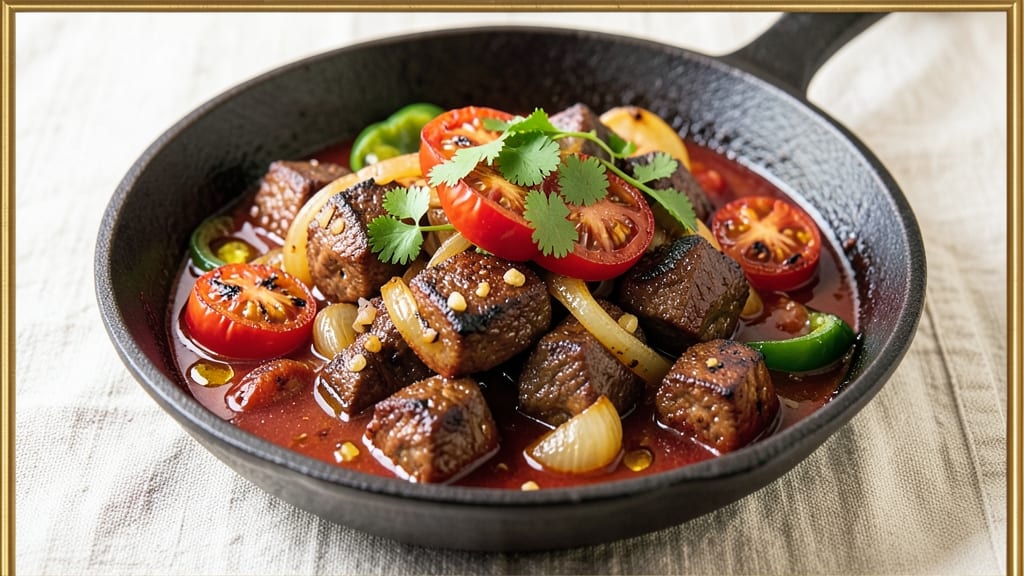
This tomato lonsa recipe brings the rich, spiced comfort of Filipino home cooking to your kitchen with tender beef, sweet peppers, and a deep tomato sauce that simmers for hours.
The dish transforms tough cuts into melt-in-your-mouth perfection through slow cooking, creating a hearty stew that pairs beautifully with steamed rice. I've perfected this version to balance traditional flavors with approachable techniques, so you can recreate restaurant-quality results at home.
The magic happens in the slow simmer, where beef and vegetables develop deep, complex flavors while the sauce thickens into a velvety consistency. This recipe uses simple pantry staples—tomatoes, onions, garlic, and spices—but builds layers of warmth through patience and attention.
The key is browning the meat first to develop that rich, caramelized foundation before adding the aromatic vegetables and simmering in the tomato base.
What you'll end up with is a steaming bowl of tomato lonsa that's both comforting and sophisticated—tender beef, slightly charred peppers, and a sauce thick enough to coat every bite. The spices infuse the dish with just the right amount of warmth without overpowering the natural flavors.
This is the kind of meal that feels like a hug on a chilly evening, perfect for feeding a family or sharing with friends.
The beauty of tomato lonsa is its versatility—it works equally well with beef or pork, and you can adjust the spice level to suit your taste. Serve it with steamed rice to soak up every last drop of that flavorful sauce. Let's get started on this comforting classic!
Ingredients for tomato lonsa
Simple pantry staples transform into restaurant-style tomato lonsa with tender beef and velvety sauce.
| Ingredient | Amount | Notes |
|---|---|---|
| Chuck Roast Beef 🥩 | 1 ½ lb | Cut into 1-inch cubes |
| Medium Tomatoes 🍅 | 4 whole | San Marzano preferred, crushed by hand |
| Yellow Onions 🧅 | 2 whole | Sliced into 1/2-inch wedges |
| Green Bell Peppers 🌶️ | 2 whole | Cut into 1-inch pieces |
| Garlic Cloves 🧄 | 6 cloves | Minced, not pre-minced jar |
| Tomato Paste 🍅 | ½ cup | Squeeze tube or canned |
| Unsalted Butter 🧈 | 4 tbsp | Full-fat for richness |
| Olive Oil 🫒 | 2 tbsp | For initial searing |
| Ground Black Pepper 🌶️ | 1 tsp | Freshly cracked preferred |
| Ground Cumin 🌿 | 1 tsp | Toasted for depth |
| Ground Coriander 🌿 | ½ tsp | For citrusy warmth |
| Bay Leaves 🌿 | 2 whole | Fresh if available |
| Salt 🧂 | 1 ½ tsp | Kosher or sea salt |
| Beef Broth 💧 | 2 cups | Low-sodium preferred |
| Long-Grain White Rice 🍚 | 2 cups | Uncooked, for serving |
The beef is everything here. Chuck roast breaks down beautifully during the long simmer, giving you that melt-in-your-mouth texture. Most grocery stores carry it pre-cubed, which saves time, but if you're buying a whole roast, ask the butcher to cut it into 1-inch pieces for you. Costco or Trader Joe's usually have it ready to go—just grab the first package you see. For the tomatoes, San Marzano makes all the difference with their sweet, meaty flavor, but any good-quality canned tomatoes will work. The key is crushing them by hand so you get that rustic texture in your sauce.
No San Marzano tomatoes? Any crushed tomatoes in a can will do—just taste and adjust the salt. Running low on cumin? Ground coriander at double the amount gives a similar earthy note. The bell peppers can be swapped for red or green jalapeños if you want more heat, but I like the sweetness of the green ones. For the tomato paste, those little squeeze tubes at Trader Joe's are perfect—they're concentrated and last forever. If you're using canned paste, make sure it's smooth, not chunky. And don't skip toasting the spices—just a quick minute in a dry pan with the butter brings out their flavors.
This dish tastes even better the next day as the flavors meld together. Store leftovers in an airtight container in the fridge for up to 5 days, or freeze portions for 3 months. I always make a double batch because it reheats beautifully and turns into easy lunches. The rice? Cook a big batch while the lonsa simmers—just 1:2 rice-to-water ratio and let it steam uncovered. The aroma alone will make your kitchen smell like a Filipino comfort food dream.
Why You'll Love This Recipe
- One-Pot Magic: I swear by this—just toss beef, tomatoes, onions, and peppers into one pot, let it simmer, and walk away. No chopping boards to clean, no extra dishes. The chuck roast practically melts into tender perfection while you’re still deciding what to watch on TV.
- Garlic Bomb Flavor: That first bite? Chef’s kiss. The garlic cloves roasted right in the oil until they’re golden and fragrant, then simmered with tomatoes until they’re jammy and sweet—it’s like a slow-cooked hug for your taste buds. The beef soaks up all the richness, and the bell peppers add just enough crunch to keep it interesting.
- Weeknight Workhorse: Between us, this is my go-to when I’ve got a house full of people who all have different tastes. Serve it over rice for a hearty meal, scoop it into tortillas for tacos, or even pile it onto toast with a fried egg. It’s the kind of dish that feels fancy but doesn’t require a Pinterest-perfect presentation.
- Budget-Friendly Leftovers: Honestly, I make this on purpose just to have leftovers. Chuck roast is cheap, tomatoes are versatile, and the flavors only get better the next day. Reheat a portion for lunch, freeze half for another week, or use the extra to stuff peppers or make a quick pasta sauce. Minimal effort, maximum payoff.
Step-by-step instructions for tomato lonsa recipe
Here's how to create this hearty, slow-simmered dish that brings rich flavors together in one pot.
Sear the Beef and Build the Flavor Base
Heat a large Dutch oven over medium-high heat and add the 2 tablespoons olive oil. Once shimmering, add the 1.5 lb chuck roast beef cut into 1-inch cubes in a single layer. Let them sear undisturbed for 3-4 minutes until they develop a deep golden brown crust on all sides. This step is crucial—it locks in juices and builds the foundation for flavor.
Remove the beef and set it aside. In the same pot, add 2 tablespoons unsalted butter and let it melt completely. Add the 2 whole yellow onions sliced into ½-inch wedges and cook for 5 minutes until they begin to soften and turn translucent. Stir occasionally to prevent burning. Here's the thing—don't rush this step. The onions need time to develop sweetness before we add the other ingredients.
Add Peppers, Garlic, and Spices
Return the seared beef to the pot and add the 2 whole green bell peppers cut into 1-inch pieces. Stir everything together and cook for 3 minutes until the peppers begin to soften slightly. Add the 6 cloves minced garlic and cook for another 30 seconds until fragrant—you'll know it's ready when the kitchen fills with that unmistakable garlic aroma.
Now it's time to add the spices. Sprinkle in the 1 teaspoon ground cumin, ½ teaspoon ground coriander, 1 teaspoon ground black pepper, and 1½ teaspoons salt. Stir everything together and let it cook for 1 minute to toast the spices slightly. This step ensures the spices release their full flavor and meld with the beef and vegetables. Don't skip this—it makes all the difference in the final taste.
Simmer the Tomatoes and Build the Sauce
Add the 4 whole medium tomatoes crushed by hand to the pot. Stir well to combine with the beef and vegetables. Let everything cook for 5 minutes until the tomatoes begin to break down and release their juices. This is where the magic starts happening—the tomatoes will soften and create a rich, tangy base for your sauce.
Next, stir in the ½ cup tomato paste and cook for another 2 minutes until it darkens slightly and blends smoothly with the mixture. Pour in the 2 cups beef broth and add the 2 whole bay leaves. Bring everything to a gentle simmer, then reduce the heat to low. This is the moment that matters: cover the pot and let it simmer for 1 hour 15 minutes to allow all the flavors to meld together. You'll know it's ready when the beef is fork-tender and the sauce has thickened into a rich, velvety consistency.
Cook the Rice and Serve
While the lonsa simmers, prepare the rice. In a separate pot, bring 2 cups water to a boil. Add the 2 cups long-grain white rice and ½ teaspoon salt. Reduce the heat to low, cover, and let it cook for 15 minutes without stirring. After 15 minutes, turn off the heat and let the rice steam for another 10 minutes—this ensures perfectly fluffy grains.
Once the rice is cooked, carefully remove the bay leaves from the lonsa. Taste and adjust the seasoning if needed—you might want to add a pinch more salt or a splash of beef broth to reach your desired consistency. Serve the tomato lonsa hot over the fluffy white rice, letting each bite deliver that perfect balance of tender beef, sweet peppers, and rich tomato sauce. This dish is all about comfort, and every spoonful will remind you why home-cooked meals are the best.
Pro Tips For Making Tomato Lonsa
- Brown the Beef First: Chuck roast won’t tenderize if it’s just simmered—it needs a proper sear. Hit the meat with high heat in a heavy pot for 3-4 minutes per side until deep brown. I used to skip this, and the dish always tasted flat; the crust locks in flavor and keeps the meat juicy.
- Roast the Tomatoes: Raw tomatoes make the sauce watery. Toss halved tomatoes with salt and roast at 400°F (200°C) for 15 minutes before adding them to the pot. Their caramelized sweetness cuts through the acidity and thickens the sauce naturally—no extra thickening agents needed.
- Slice Onions Thin: Thick onion chunks take forever to soften. Use a mandoline or sharp knife to slice onions paper-thin—they’ll melt into the sauce in 10 minutes instead of 30. My grandmother insisted on this, and she was right: the texture matters more than you’d think.
- Deglaze with Garlic: After browning the beef, don’t just add liquid—sauté minced garlic in the fond for 30 seconds first. It toasts into a nutty aroma that builds flavor instantly. I was skeptical until I tried it—now I never skip this step.
Wine and beer pairings for tomato lonsa
Filipino Red Wine
For an authentic pairing, reach for a Filipino red wine like Petron Red Blend or Lambrusco from Italy. These wines have enough body to stand up to the rich tomato sauce while complementing the beef's depth.
The slight fruitiness in Lambrusco also echoes the natural sweetness of the tomatoes. Serve slightly chilled (55-60°F) to enhance the wine's acidity and cut through the dish's richness. 🍷
Malaysian White Wine
If you prefer white wine, Malaysian Riesling or Sauvignon Blanc offers a refreshing contrast. The crisp acidity balances the dish's heartiness, while citrus notes from the wine mirror the tomatoes' brightness. Look for Taman Ehsan Riesling—it's widely available and affordable. Chill to 45-50°F for the best experience.
Local Filipino Beer
For beer lovers, San Miguel Pale Pilsen is the classic choice. Its light maltiness and subtle hop bitterness won't overpower the lonsa's flavors. Alternatively, try Red Horse—its smooth, slightly sweet profile complements the dish beautifully. Serve at 40-45°F for optimal taste.
Spiced Rum Cocktail
For a festive twist, serve a Filipino spiced rum cocktail like Calamansi Rum Punch. Mix 2 oz Calamansi rum, 1 oz pineapple juice, and a splash of soda water.
The citrusy, slightly tart flavors enhance the tomatoes and spices in the lonsa. Garnish with a lime wedge for extra zing. 🍹
Non-Alcoholic Pairings
For a non-alcoholic option, ginger beer or sparkling limeade works wonderfully. The effervescence cleanses the palate between bites, while the ginger adds a subtle warmth that harmonizes with the dish's spices. Try San Pellegrino Aranciata for a citrusy, fizzy alternative.
Coffee Finish
End the meal with a cup of Filipino coffee like Barako or 3-in-1 coffee. The bold, slightly bitter notes help reset your palate after the rich, spiced flavors of the lonsa. Serve it black or with a splash of hot water for a traditional touch.
Nutrition facts
Frequently asked questions
Can I substitute pork for beef in this tomato lonsa recipe?
Pork shoulder works beautifully and is a traditional variation. Use 1.5 lbs pork shoulder cut into 1-inch cubes and follow the same searing and simmering process. Pork cooks slightly faster than beef, so check tenderness after 1 hour of simmering. The fat content adds richness to the sauce, making it even more flavorful.
How do I know when the beef is fully cooked?
The beef is done when it's fork-tender and easily shreds with minimal resistance. For chuck roast, this typically happens after 1 hour 15 minutes of simmering. Insert a meat thermometer to confirm it reaches 203°F—this ensures perfect tenderness without drying out. If using pork, aim for 195°F.
Can I make tomato lonsa in a slow cooker?
Yes! Brown the beef and onions first in a skillet, then transfer everything to your slow cooker. Add all remaining ingredients and cook on low for 6-7 hours or high for 3-4 hours. The slow cooker's gentle heat enhances the flavors even more. Just stir occasionally and add a splash of broth if the sauce gets too thick.
What can I do if the sauce is too thin?
Simmer the lonsa uncovered for 10-15 minutes to reduce the sauce naturally. If it's still too thin, mix 1 tablespoon cornstarch with 2 tablespoons cold water, stir into the sauce, and simmer for 2-3 minutes until thickened. Avoid over-reducing, as the sauce should remain velvety, not gluey.
Is tomato lonsa traditionally served with anything besides rice?
While steamed white rice is the classic pairing, you can also serve it with garlic fried rice or buttered egg noodles for extra heartiness. Some regional variations include bagoong (fermented shrimp paste) on the side for dipping. For a modern twist, try it over crusty bread to soak up the rich sauce.