
Main Courses
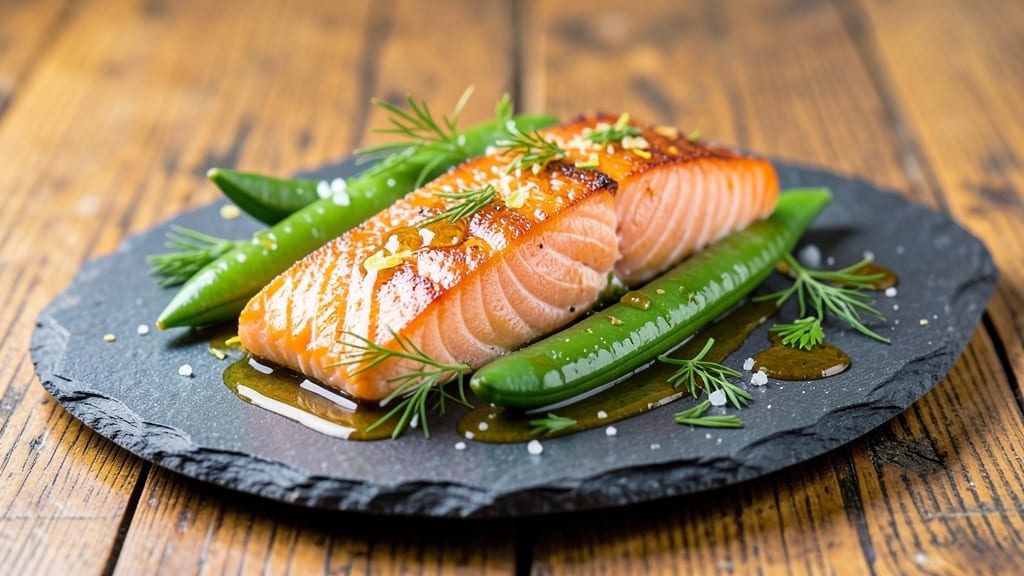
This wild and free salmon and pea recipe brings together sustainably sourced fish and crisp snap peas in a zesty lemon-herb crust that’s both stunning and effortless. The marriage of rich, omega-3-packed salmon with crisp-tender peas—both sustainably sourced—creates a plate that’s as nourishing as it is visually striking.
I designed this recipe after years of perfecting the balance between bold flavors and delicate textures, ensuring every bite delivers both.
The secret lies in the bright lemon-herb crust, which adds a zesty contrast to the salmon’s natural richness while keeping the peas vibrant and snappy. Pan-searing the salmon creates a golden, flavorful crust, while the peas steam just enough to stay crisp—no mushy sides here.
This method ensures the salmon stays moist and tender, with a texture that’s impossible to resist.
What you’ll end up with is a restaurant-quality dish that’s elegant enough for a dinner party but simple enough for a weeknight. The lemon-herb crust infuses the salmon with bright, fresh notes, while the peas add a satisfying crunch.
Serve it with a side of quinoa or a drizzle of light dill sauce for the full experience.
This recipe isn’t just about taste—it’s about mindful eating. Wild salmon and fresh peas are packed with nutrients, making this a meal you can feel good about serving. Ready to elevate your dinner table? Let’s get started.
Ingredients for wild and free salmon and pea
Zesty lemon-herb crust meets sustainably sourced salmon and crisp peas for a restaurant-worthy dish.
| Ingredient | Amount | Notes |
|---|---|---|
| Wild Salmon Fillets 🐟 | 2 whole | Skin-on, center-cut preferred |
| Snap Peas 🌱 | 1 ½ cups | Fresh or frozen, thawed |
| Extra-Virgin Olive Oil 🫒 | 2 tbsp | High-quality, cold-pressed |
| Fresh Lemon Juice 🍋 | ¼ cup | From 2 medium lemons |
| Fresh Dill 🌿 | ¼ cup | Chopped, stems removed |
| Fresh Parsley 🌿 | ¼ cup | Chopped, flat-leaf preferred |
| Garlic Cloves 🧄 | 4 cloves | Minced, fresh preferred |
| Unsalted Butter 🧈 | 2 tbsp | Cold, cubed for crust |
| Sea Salt 🧂 | 1 ½ tsp | Fine grain, kosher preferred |
| Ground Black Pepper 🌶️ | ½ tsp | Freshly ground |
| Honey 🍯 | 1 tsp | Wildflower or clover |
| Lemon Zest 🍋 | 1 tsp | From 1 large lemon |
| Quinoa 🌾 | 1 cup | Uncooked, for serving |
The salmon is the foundation, so prioritize wild-caught, sustainably sourced fillets—look for bright pink flesh and firm texture at Whole Foods Market or Trader Joe's. Center-cut pieces stay together better when searing. For peas, fresh is ideal but frozen works perfectly—just thaw and drain well. The herbs? Fresh dill and parsley from the grocery store’s refrigerated section have more flavor than dried, but if you're in a pinch, dried oregano at half the amount will work. Always check for vibrant color in your herbs—wilted leaves mean compromised flavor. The butter should be cold and cubed for the crust, not melted.
No fresh dill? Substitute with 1 tbsp dried dill, but reduce to half the amount. Out of parsley? Cilantro or basil both work in a pinch, though the flavor profile shifts slightly. Honey not on hand? Maple syrup or agave at the same quantity keeps the dish balanced. For the salmon, if you can't find center-cut, side-cut fillets work too—just pat them dry thoroughly before cooking. The lemon juice can be bottled, but freshly squeezed adds that bright, restaurant-quality zing. If you're serving this for a crowd, double the quinoa—it's the perfect neutral base for soaking up all those bright flavors.
Store any leftover salmon in an airtight container with a layer of plastic wrap pressed directly on the surface for up to 2 days. The peas can be refrigerated for 3 days if not used immediately, but they're best eaten fresh. The lemon-herb crust components (butter, zest, herbs) keep well in the fridge for 5 days, though the herbs lose potency after 3 days. For meal prep, cook the quinoa ahead and store separately—it reheats beautifully. The salmon reheats best gently in a skillet with a splash of water to keep it moist, while the peas can be microwaved with a damp paper towel to maintain their crispness.
Why You'll Love This Recipe
- No-Fuss Freshness: I swear by this when I’m too tired to chop much—just toss in whole snap peas (yes, pods and all) and let them roast until tender. The salmon cooks in the same pan, so you’re really just stirring, squeezing lemon, and calling it dinner.
- Bright & Buttery Magic: That first bite of wild salmon—rich, buttery, with a crispy skin—paired with the snap peas’ sweet crunch and the zing of lemon and dill? It’s like a hug in a plate. Honestly, I’ve never met a salmon dish that balances bold and fresh like this one does.
- Weeknight to Weekend: Make it for yourself on a Tuesday (it’s ready in 25 minutes) or double it for a dinner party—just add a sprinkle of flaky salt and a drizzle of olive oil on top. My roommates never know if I’m slaving away or just throwing this together.
- Leftovers That Don’t Suck: Most salmon leftovers turn into sad, dry fish. Not this. The peas stay crisp, the salmon stays moist, and the lemon-dill dressing keeps everything bright. I’ve had it cold in salads, reheated with a splash of water, and even stuffed into wraps—always delicious.
Step-by-step instructions for wild and free salmon and pea recipe
Here's how to create a restaurant-quality salmon dish with vibrant flavors and perfect texture.
Prepare the Quinoa and Snap Peas
Rinse the 1 cup quinoa under cold water until the water runs clear. This removes any bitterness and excess starch. Transfer to a medium saucepan and add 2 cups of water. Bring to a boil, then reduce heat to medium-low, cover, and simmer for 15 minutes. You'll know it's done when the water is absorbed and the grains are tender but still slightly firm.
While the quinoa cooks, trim the ends off the 1.5 cups snap peas if using fresh. If using frozen, thaw completely in a colander under warm running water. Heat 1 tablespoon of the extra-virgin olive oil in a large skillet over medium heat. Add the snap peas and cook for 4-5 minutes until bright green and just tender. Season with ½ teaspoon of the sea salt and set aside.
Create the Lemon-Herb Crust for the Salmon
In a small bowl, combine the 0.25 cup fresh dill, 0.25 cup fresh parsley, 4 minced garlic cloves, 1 teaspoon lemon zest, 1.5 teaspoons sea salt, and 0.5 teaspoon ground black pepper. Mix well to create a vibrant herb blend. In a separate bowl, whisk together the 0.25 cup fresh lemon juice and 1 teaspoon honey.
Pat the 2 whole wild salmon fillets dry with paper towels - this is crucial for crispy skin. Place the fillets skin-side down on a cutting board. Spread the lemon-honey mixture evenly over the top of each fillet. Then sprinkle half of the herb blend evenly over each fillet, pressing gently to adhere. Let the salmon rest for 10 minutes while you prepare the butter crust.
Prepare the Butter Crust and Cook the Salmon
Preheat your oven to 400°F. Cut the 2 tablespoons unsalted butter into small cubes and place them in a small bowl. Add the remaining herb blend and mix until well combined. The butter should be evenly coated with herbs.
Heat a large oven-safe skillet over medium-high heat. Add the salmon fillets skin-side down. Cook for 3-4 minutes until the skin is golden brown and crispy. Using a fish spatula, carefully flip the salmon and transfer the skillet to the preheated oven. Bake for 8-10 minutes until the salmon reaches an internal temperature of 145°F.
Assemble and Serve
Remove the salmon from the oven and transfer to a serving platter. Spoon the remaining herb butter from the skillet over the top of the salmon. The butter should melt slightly from the residual heat, creating a flavorful sauce.
Fluff the cooked quinoa with a fork and divide among four plates. Top each serving with the snap peas and salmon fillet. Drizzle with any remaining lemon-honey mixture from the preparation bowl. Garnish with additional fresh parsley if desired. Serve immediately while the salmon is warm and the crust is crisp.
Pro Tips For Making Wild And Free Salmon And Pea
- SEAR SALMON SKIN-DOWN: Flip those fillets skin-side down first—it’s the only way to get that crispy, golden crust without falling apart. I learned this after watching my first batch turn into sad, flaky pancakes. Use medium-high heat and leave it undisturbed for 4-5 minutes, even if you’re tempted to check.
- BLANCH PEAS FIRST: Toss snap peas in boiling water for 30 seconds before tossing them with salmon—this keeps them bright green and tender-crisp instead of mushy. I used to skip this and ended up with sad, limp peas every time. Drain well and pat dry so they don’t steam the salmon.
- LEMON JUICE LAST: Hold off on the lemon juice until the very end—adding it too early makes the salmon turn rubbery. Instead, squeeze it over the finished dish just before serving, and let the acid brighten the flavors while everything’s still hot. Trust me, your salmon will thank you.
- DILL IN TWO STEPS: Chop half the dill fine for the sauce and save the rest for garnish—this balances flavor without overpowering. My grandmother swore by this, and she was right: the fresh, herby crunch on top makes all the difference. Don’t skip the garnish, even if you’re lazy (yes, even if you’re impatient like me).
Regional styles of this wild and free salmon and pea
Pacific Northwest Style
The Pacific Northwest takes this dish to another level by incorporating foraged greens like nettle or wild garlic into the herb crust. I like to add 1 tbsp finely chopped wild garlic to the butter crust for an earthy depth that pairs perfectly with wild salmon.
The region’s emphasis on sustainably sourced seafood means you’ll find the freshest, most flavorful fillets—look for Alaskan wild-caught salmon at local markets. Serve with roasted fingerling potatoes instead of quinoa to honor the region’s hearty traditions. 🌿
Mediterranean Twist
In Mediterranean cuisine, this dish often features lemon-infused olive oil instead of butter for the crust. I swap the butter for 2 tbsp extra-virgin olive oil mixed with the herb blend, then drizzle it over the salmon after searing.
Add sun-dried tomatoes and kalamata olives to the quinoa for a briny contrast. The Greeks and Italians also love fava beans instead of peas—simmer them until tender and toss with olive oil and oregano. 🍅
Japanese-Inspired Version
For a lighter take, prepare the salmon with a miso-lemon glaze instead of honey. Mix 1 tbsp white miso paste with the lemon juice and honey, then brush it onto the fillets before adding the herb crust.
Serve with steamed sugar snap peas (no cooking needed—they’re naturally sweet) and sushi rice instead of quinoa. Garnish with toasted sesame seeds and thinly sliced scallions for a fresh, umami-rich finish. 🍱
Scandinavian Simplicity
Northern European kitchens often focus on minimalist seasoning and wood-fired flavors. Skip the honey in the crust and use 1 tbsp aquavit (or vodka) mixed with the lemon juice for brightness.
The Scandinavians also love cloudberries—if you can find them, toss a handful into the peas for a tart-sweet contrast. Serve with mashed rutabaga instead of quinoa for a creamy, earthy base that balances the salmon’s richness. ❄️
Southern U.S. Adaptation
In the American South, this dish gets a smoky, spicy kick. Add ½ tsp smoked paprika and ¼ tsp cayenne to the herb crust for heat, and finish with a drizzle of hot honey (mix 1 tsp honey with ¼ tsp cayenne).
Serve with cornbread instead of quinoa and a side of collard greens sautéed with garlic and bacon. The smoky-sweet contrast is pure Southern comfort. 🌶️
Nutrition facts
Frequently asked questions
Can I use frozen snap peas instead of fresh?
Frozen snap peas work perfectly—just thaw them completely in a colander under warm running water before cooking. They'll maintain their bright green color and crisp texture when sautéed for 4-5 minutes in olive oil. The only difference is fresh peas might have slightly more delicate sweetness, but frozen is just as nutritious and convenient.
How do I know when wild salmon is fresh?
Look for salmon with bright pink-orange flesh, firm texture when pressed, and a clean ocean-like aroma—not fishy. The skin should be shiny and intact, not dull or peeling. Buy from trusted seafood counters where they display the catch date. For extra peace of mind, ask if it's been previously frozen (flash-frozen is fine—it preserves freshness).
Can I make this recipe ahead of time?
Cook the quinoa and peas up to 2 days ahead, storing separately in airtight containers. For the salmon, sear it completely but don't finish in the oven until serving. Reheat gently in a skillet with a splash of water to maintain moisture. The lemon-herb crust components (butter, zest, herbs) keep for 3 days in the fridge, though herbs lose potency after 2 days. Assemble everything just before serving for the best texture.
What's the best way to store leftovers?
Store salmon in an airtight container with plastic wrap pressed directly on the surface to prevent drying. It keeps for 2 days in the fridge. Reheat gently in a skillet with 1 tbsp butter> at low heat to maintain tenderness. Peas can be refrigerated for 3 days>—microwave with a damp paper towel to revive crispness. For longer storage, freeze salmon portions for up to 3 months, but peas lose texture when frozen.
Can I substitute other fish?
While wild salmon is ideal, you can use other firm white fish like halibut, cod, or sea bass. For best results, choose fillets with similar thickness and texture. Avoid delicate fish like tilapia—they'll fall apart with the same cooking method. If substituting, reduce cooking time by 1-2 minutes since they cook faster than salmon. The lemon-herb crust works beautifully on all these options!