
Main Courses
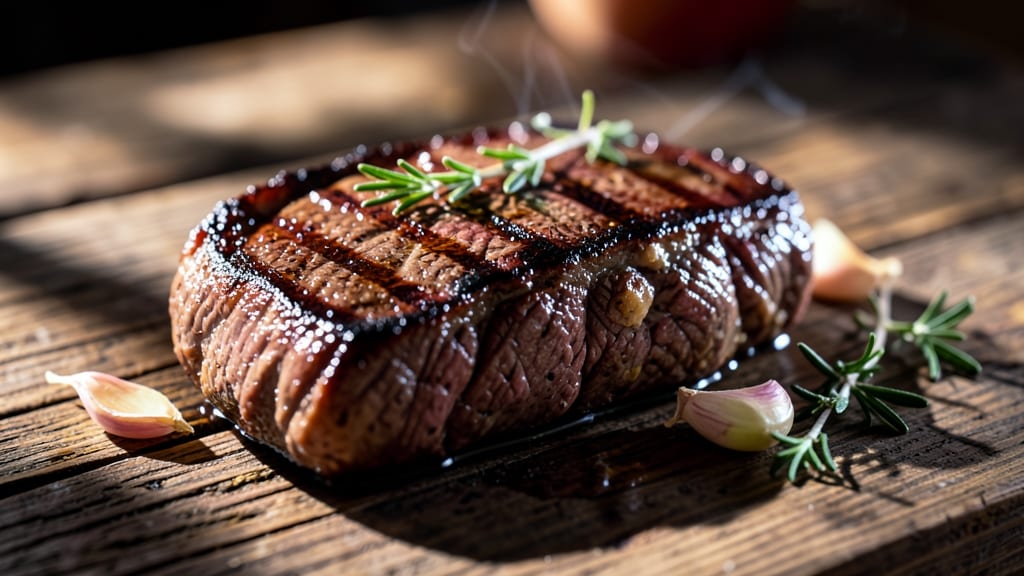
Mastering an angus strip steak recipe starts with understanding how to balance heat and timing for that ideal medium-rare finish. The secret lies in a buttery baste that locks in juices while creating a caramelized crust—something you won’t find in basic steak guides.
I’ve perfected this method over years of testing, and it delivers restaurant-quality results every time without relying on fancy equipment.
The process begins with a simple yet effective marinade—just high-quality olive oil, garlic, and fresh herbs—to enhance the steak’s natural richness. From there, we sear the steak over high heat, then baste it repeatedly with melted butter and aromatics to build layers of flavor.
The key is patience: letting the steak rest after cooking ensures that final slice is tender, not tough.
What you’ll end up with is a perfectly medium-rare steak—juicy, flavorful, and with a crust so rich it practically melts in your mouth. The buttery baste adds depth without overpowering the beef’s natural taste, making this the kind of steak that feels like a special occasion, even on a weeknight.
Serve it with roasted potatoes or a fresh salad for a complete meal.
This method works for steaks ranging from 1 to 1.5 inches thick, so you can adjust cooking times accordingly. The goal is precision—no guessing, no overcooking—just a steak that’s always perfect. Let’s get started on the full instructions to achieve this every time.
Ingredients for angus strip steak
High-quality beef, rich basting ingredients, and simple seasonings transform into restaurant-quality steak.
| Ingredient | Amount | Notes |
|---|---|---|
| Angus Strip Steak 🥩 | 1 ½ lb | 1.5-inch thick, center-cut preferred |
| Extra-Virgin Olive Oil 🫒 | ½ cup | High quality, fruity variety |
| Unsalted Butter 🧈 | ½ cup | Cold, cubed for basting |
| Garlic Cloves 🧄 | 6 cloves | Freshly minced, skins removed |
| Fresh Rosemary 🌿 | ¼ cup | Finely chopped, stems removed |
| Fresh Thyme 🌿 | ¼ cup | Leaves only, finely chopped |
| Kosher Salt 🧂 | 1 ½ tbsp | Coarse grain preferred |
| Black Peppercorns 🌶️ | 1 ½ tsp | Freshly cracked, coarse grind |
| Red Wine 🍷 | ¼ cup | Dry, bold variety like Cabernet |
| Beef Tallow or Duck Fat 🍳 | 2 tbsp | Optional for extra richness |
| Balsamic Vinegar 🍶 | 1 tbsp | For finishing touch |
The steak is everything here. Angus strip from a trusted butcher—Costco or Whole Foods carry excellent options—makes all the difference. Look for 1.5-inch thick cuts with good marbling, not too lean. I always ask for dry-aged if available, but fresh works too. For the basting, European-style butter (like Plugrá) has more flavor than American brands. The olive oil should be extra-virgin—none of that cheap stuff. Fresh herbs? Penzeys or the bulk bins at natural markets have the best quality. If you're short on time, dried thyme works at one-third the amount, but fresh is worth the effort.
No red wine? Beef broth with a splash of balsamic keeps the same depth. Ran out of rosemary? Fresh thyme or marjoram works in a pinch. The butter and olive oil combo is non-negotiable for that buttery crust—don't skip it. For extra richness, beef tallow or duck fat (like La Tourangelle) adds a layer of flavor that's hard to beat. The balsamic vinegar at the end? Trader Joe's has a great aged variety that's perfect. If you're prepping ahead, marinate the steak for up to 4 hours (no longer, or it gets mushy), but honestly, a quick rub with the seasonings right before cooking is just as good.
The basting butter should be cold when you start—it melts beautifully as it hits the hot steak. Keep everything prepped while the steak rests—5-10 minutes is key for juiciness. Store leftovers in an airtight container for 3-4 days, but honestly, this steak is best fresh. If you're making a big batch, freeze portions for up to 3 months. The basting mixture keeps in the fridge for 1 week, so make extra for next time.
Why You'll Love This Recipe
- Five-Ingredient Magic: I swear by this recipe because it’s all about focus—just steak, olive oil, butter, garlic, and rosemary. No clutter, no stress, just pure, bold flavor with minimal effort. The butter and garlic baste while you cook, so you’re basically getting a restaurant-worthy sear with almost no extra work.
- Butter-Basted Bliss: That crispy crust on the outside? The buttery, garlicky sauce pooling underneath? It’s the kind of steak that makes you close your eyes mid-bite. The rosemary adds a bright, piney finish that cuts through the richness—like a little freshness hug for your taste buds.
- Weeknight or Date Night: Honestly, this steak works everywhere. Toss it on the grill for summer BBQs, sear it in a cast-iron for a fancy dinner, or even prep it ahead for meal prep (yes, steak leftovers are chef’s kiss). It’s the one dish that feels effortless no matter the occasion.
- Leftovers That Don’t Suck: Between us, most steak leftovers end up in the trash. Not this one. The garlic-butter crust stays intact when reheated, and sliced thin, it’s perfect for wraps, salads, or even a quick breakfast hash. (Trust me, I’ve tested it.)
Step-by-step instructions for buttery baste secrets for perfect medium-rare
Here's how to transform your steak into a juicy, flavorful masterpiece using just a few simple techniques.
Season and Rest the Angus Strip Steak
Start by taking the 1.5 lb Angus Strip Steak out of the refrigerator and letting it sit at room temperature for 30 minutes. This ensures even cooking throughout. While it rests, generously season both sides with 1.5 tbsp kosher salt and 1.5 tsp freshly cracked black peppercorns. Press the seasoning into the meat so it adheres well—this creates that perfect crust later.
I like to add a light dusting of fresh rosemary and fresh thyme leaves on top before resting. The herbs infuse subtle flavors while the steak comes to temperature. This step is crucial—don't skip the resting time, or you'll end up with uneven doneness and potentially tough meat.
Sear the Steak to Develop Flavor
Heat a heavy skillet over medium-high heat until it's very hot. Add 2 tbsp beef tallow or duck fat (if using) and let it melt and shimmer. Place the steak in the pan and sear for 3-4 minutes per side, pressing down gently with a spatula during the first minute. This prevents curling and ensures even contact with the pan.
You'll know it's ready to flip when you see a deep golden-brown crust forming. The steak should release easily from the pan—if it's sticking, let it cook a bit longer. Remove the steak and let it rest on a wire rack for 5 minutes while you prepare the basting sauce.
Create the Buttery Basting Sauce
In the same skillet (no need to clean it—the browned bits are flavor!), reduce heat to medium and add 0.5 cup extra-virgin olive oil and 0.5 cup cubed unsalted butter. Let the butter melt completely, then add 6 cloves freshly minced garlic and cook for 30 seconds until fragrant but not browned.
Pour in 0.25 cup red wine and scrape up all those delicious browned bits from the bottom of the pan. Let the wine simmer for 2-3 minutes until reduced by half. This creates a rich, flavorful base for your basting sauce. If you're using it, add a splash of balsamic vinegar now for a touch of sweetness and acidity.
Baste and Finish the Steak
Return the steak to the skillet and spoon the basting sauce over it generously. Let it cook for 2-3 minutes on each side, basting frequently with the sauce. The goal here is to build layers of flavor while keeping the steak tender. You'll know it's reaching medium-rare when the internal temperature hits 130-135°F on a meat thermometer.
For the final touch, transfer the steak to a cutting board and let it rest for 5-10 minutes. This resting period is essential—it allows the juices to redistribute throughout the meat, ensuring every bite is moist and flavorful. Tent loosely with foil to keep it warm during this time.
Slice and Serve with Confidence
Slice the steak against the grain into ½-inch thick pieces. The grain runs lengthwise, so cutting perpendicular gives you tender, easy-to-chew bites. Arrange the slices on a warm plate and spoon any remaining basting sauce from the pan over the top.
Serve immediately while the steak is still hot. Each slice should have a beautiful crust, a pink center, and be infused with the aromatic flavors of rosemary, thyme, and garlic. The buttery basting sauce will make every bite rich and satisfying—this is where the magic happens, and it's all thanks to those simple basting techniques.
Pro Tips For Making Angus Strip Steak
- CRANK THE HEAT FIRST: Get that pan screaming hot before the steak hits—we’re talking smoke testing the olive oil. I used to walk away while it warmed, and my crusts were always sad. Now I count to 30 seconds after the oil shimmers, then sear. That’s when the Maillard reaction throws its party.
- SALT LIKE IT’S 1985: Generously coat the steak with salt at least 40 minutes early—yes, even if you’re impatient. I learned this the hard way when my steak tasted bland despite the butter and rosemary. Use kosher salt, and don’t skimp: about 1 teaspoon per side for a 1-inch steak. The salt draws out moisture, which then reseals during searing.
- BASTE WITH THE BUTTER: Toss in those garlic cloves and rosemary sprigs after the steak’s first sear, then baste with the melted butter. I used to add everything at once, and the rosemary would burn before the butter could coat. Now I wait until the steak’s halfway done—just long enough for the butter to foam and turn golden. That’s when it gets rich.
- REST IT UNDER FOIL: Give it a solid 5-10 minutes under foil—no peeking—before slicing. I used to cut into it too soon, and the juices would pool on my plate instead of staying inside. The residual heat keeps it warm while the juices redistribute. (Yes, even if you’re starving.)
Perfect pairings for angus strip steak
Classic Side Dishes
Roasted garlic mashed potatoes are a must—their creamy texture balances the steak’s richness perfectly. I use Yukon Gold potatoes, roasted with 4 cloves garlic and 4 tbsp butter until tender, then mashed with ½ cup sour cream and salt to taste.
For a lighter option, try truffle parmesan roasted potatoes tossed in 2 tbsp olive oil, 1 tbsp truffle oil, and ½ cup grated parmesan. Both keep warm for 30 minutes in a 200°F oven. 🥔
Fresh Salad Contrast
A bright arugula salad with shaved fennel and pear slices> cuts through the steak’s richness. Toss 4 cups baby arugula with 1 tbsp lemon juice, 2 tbsp olive oil, 1 tbsp honey, and 2 tbsp shaved fennel.
Add ½ cup sliced ripe pears> and ¼ cup crumbled goat cheese> for texture. The peppery greens and sweet pears create a refreshing contrast to the buttery steak. 🥗
Wine Pairings
A bold Cabernet Sauvignon> from Napa Valley stands up to the steak’s richness, with its dark fruit and tannins complementing the buttery crust. For a lighter option, try a Malbec> from Argentina—its velvety texture and blackberry notes pair beautifully.
Avoid heavy reds like Syrah, which can overpower the delicate basting flavors. Serve wine slightly chilled (60-65°F>) for the best experience. 🍷
Beer Recommendations
A dark amber ale> like Fat Tire> from New Belgium balances the steak’s richness with its malty sweetness and caramel notes. For craft beer lovers, a Belgian dubbel> with its spiced complexity adds an interesting contrast.
Avoid hoppy IPAs—they’ll compete with the steak’s flavors. Serve beer at 50-55°F> for optimal pairing. 🍺
Finishing Touches
Drizzle the steak with aged balsamic reduction> (simmer ½ cup balsamic vinegar> until syrupy) for a sweet-tangy finish. Garnish with fresh thyme sprigs> and flaky sea salt> for a restaurant-worthy presentation.
For extra flair, add crispy shallots> (sauté 3 shallots> in butter until golden) on top. These finishing touches elevate the dish without overpowering the steak’s natural flavors. ✨
Nutrition facts
Frequently asked questions
What's the best thickness for an Angus strip steak?
For perfect results, aim for 1.5-inch thick steaks. This thickness gives you that ideal balance of crust and tender center when cooked to medium-rare. Thinner cuts (1-inch) cook faster and can dry out, while thicker cuts (>2-inches) may need longer resting times.
Can I substitute the red wine in the basting sauce?
Yes! If you don't have red wine, use beef broth with 1 tbsp balsamic vinegar for depth, or dry sherry for a similar flavor profile. The key is the wine's acidity and ability to deglaze the pan—just ensure whatever you use reduces by half for maximum flavor.
How do I know when the steak is medium-rare?
Use a meat thermometer for precision: 130-135°F for medium-rare. For no-thermometer cooks, press the steak gently—it should feel firm but still soft in the center. A deep red center with a slightly warm exterior confirms doneness.
Why does my steak turn out tough?
Overcooking is the #1 cause. Steaks lose moisture when cooked past 140°F, so always remove them 5°F below your target temp. Also, skipping the 5-10 minute rest causes juices to escape. For extra tenderness, pat the steak dry before seasoning—moisture creates steam, preventing crust formation.
What's the best way to reheat leftover steak?
Slice the steak thinly and reheat in a skillet over medium-low heat with 1 tbsp butter for 1-2 minutes per side. Never microwave—it dries out the meat. For cold slices, serve with a warm buttery sauce to revive the flavors. Leftovers keep well for 3-4 days in an airtight container.